


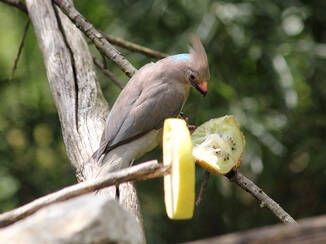





Cameroon sheep at the petting zoo
Cameroon Sheep
Ovis ammon f. aries 'Cameroon'
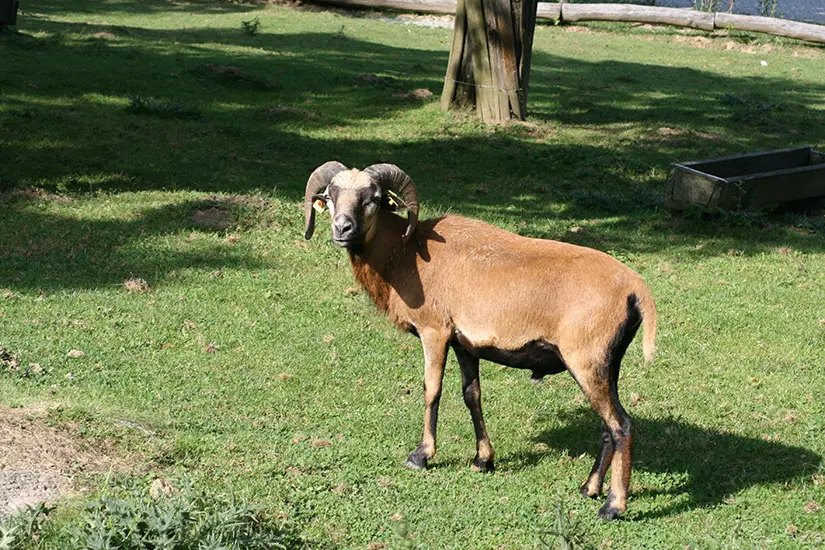
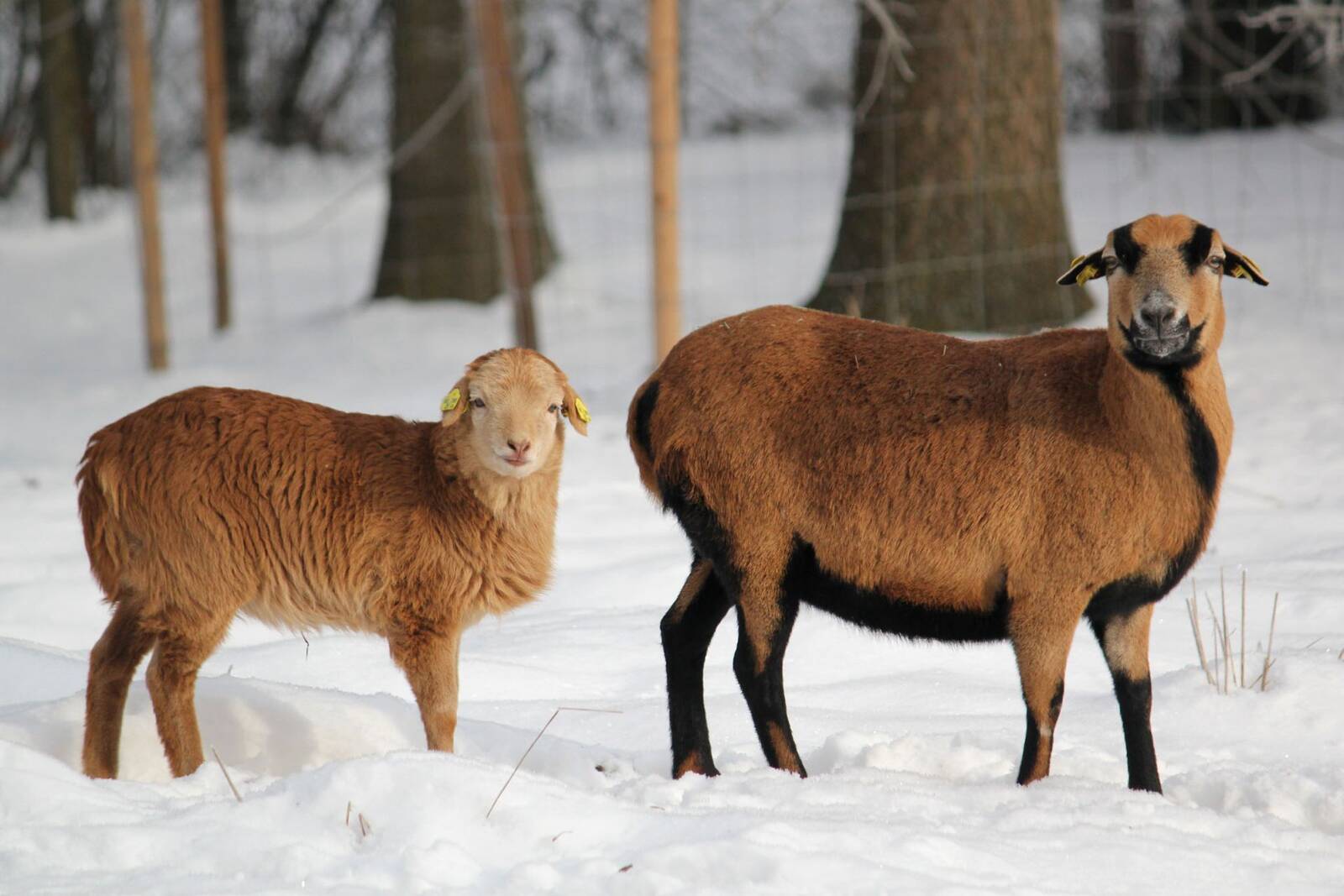
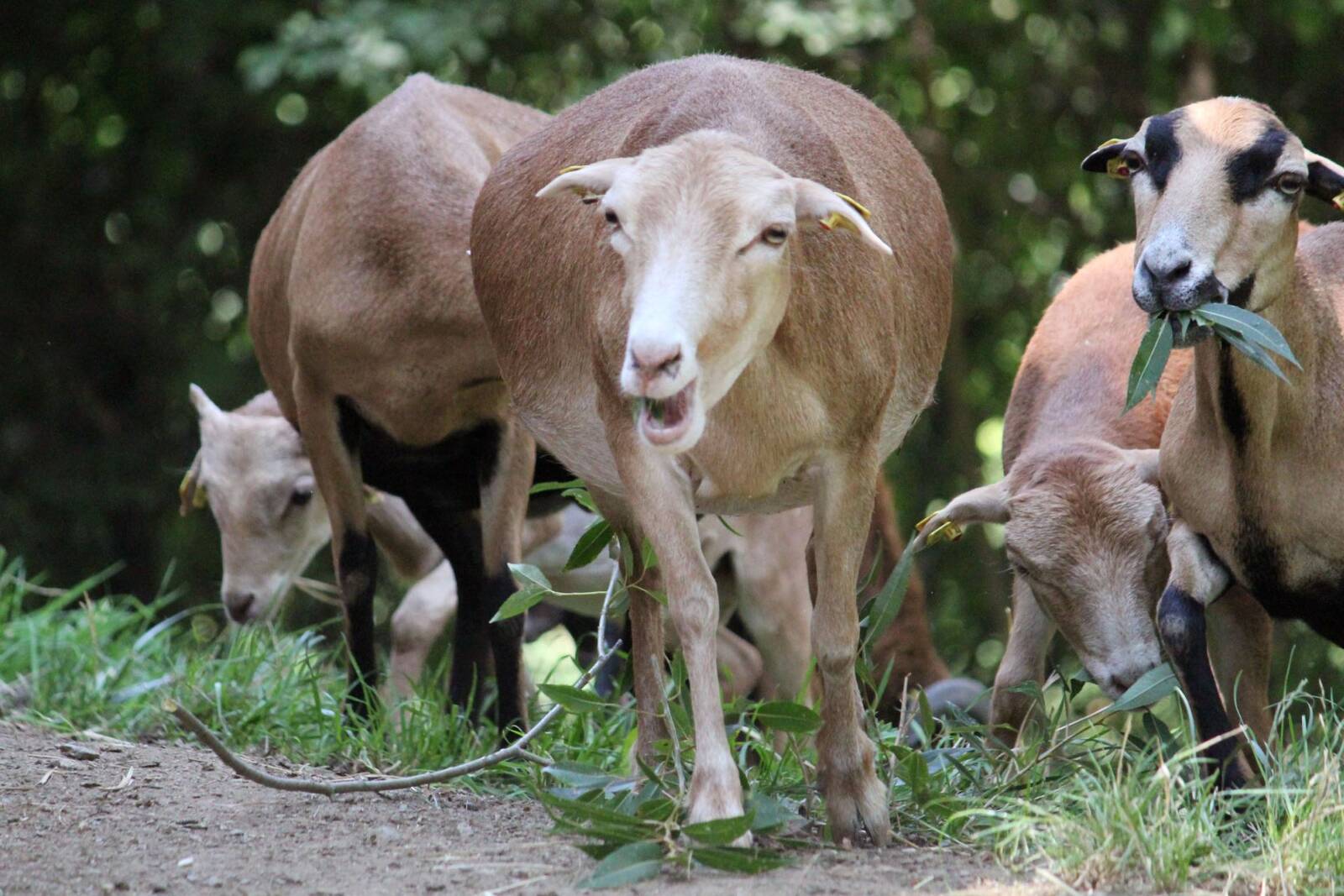
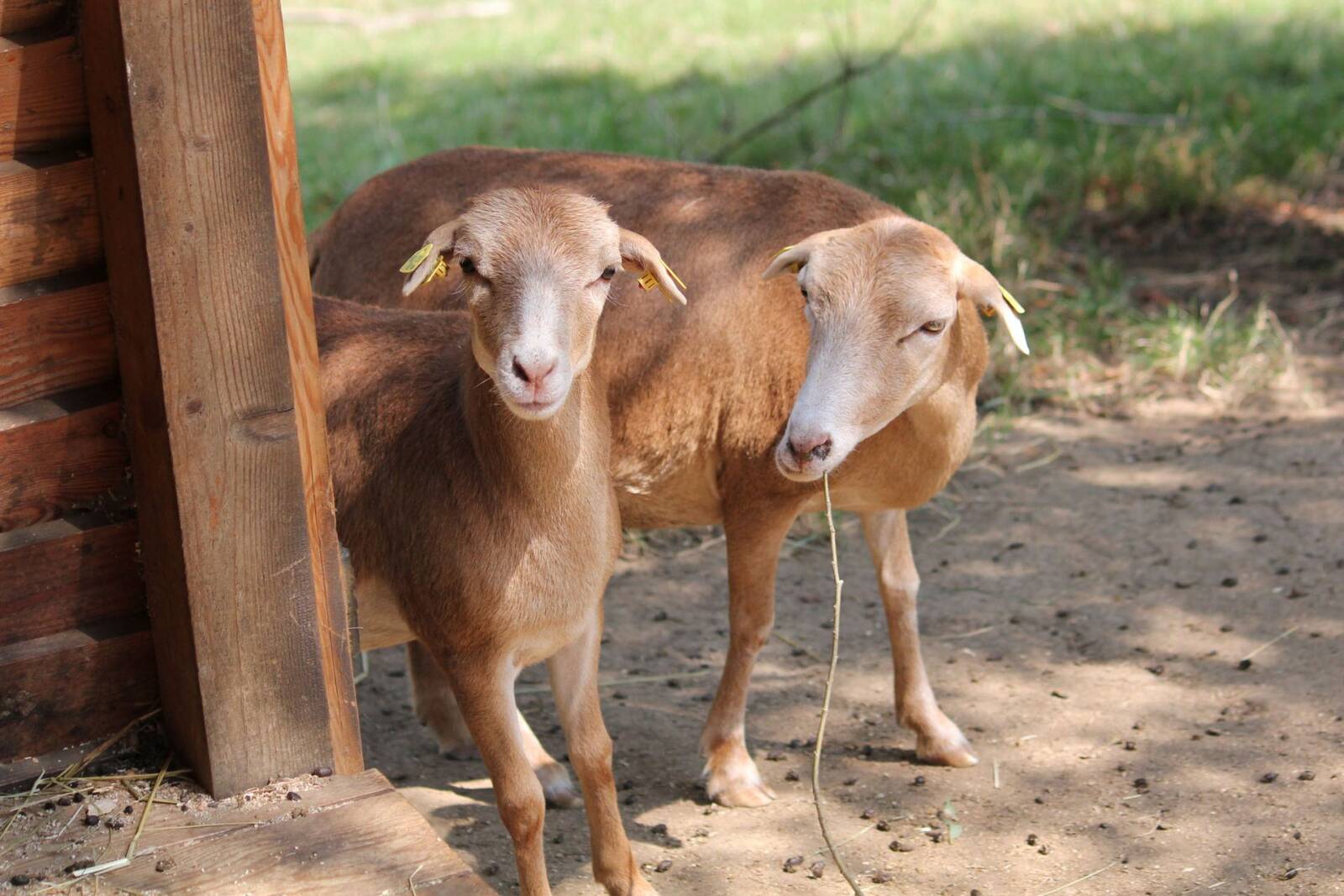
The Cameroon sheep, native to West Africa, has a fine, short coat that does not need to be sheared. In winter, an additional dense undercoat protects it from the cold. The breed originates from the West African dwarf sheep; however, the chestnut-brown color with black markings that is predominant in the Cameroon sheep is just one of many variations found in that breed.
Did you know?
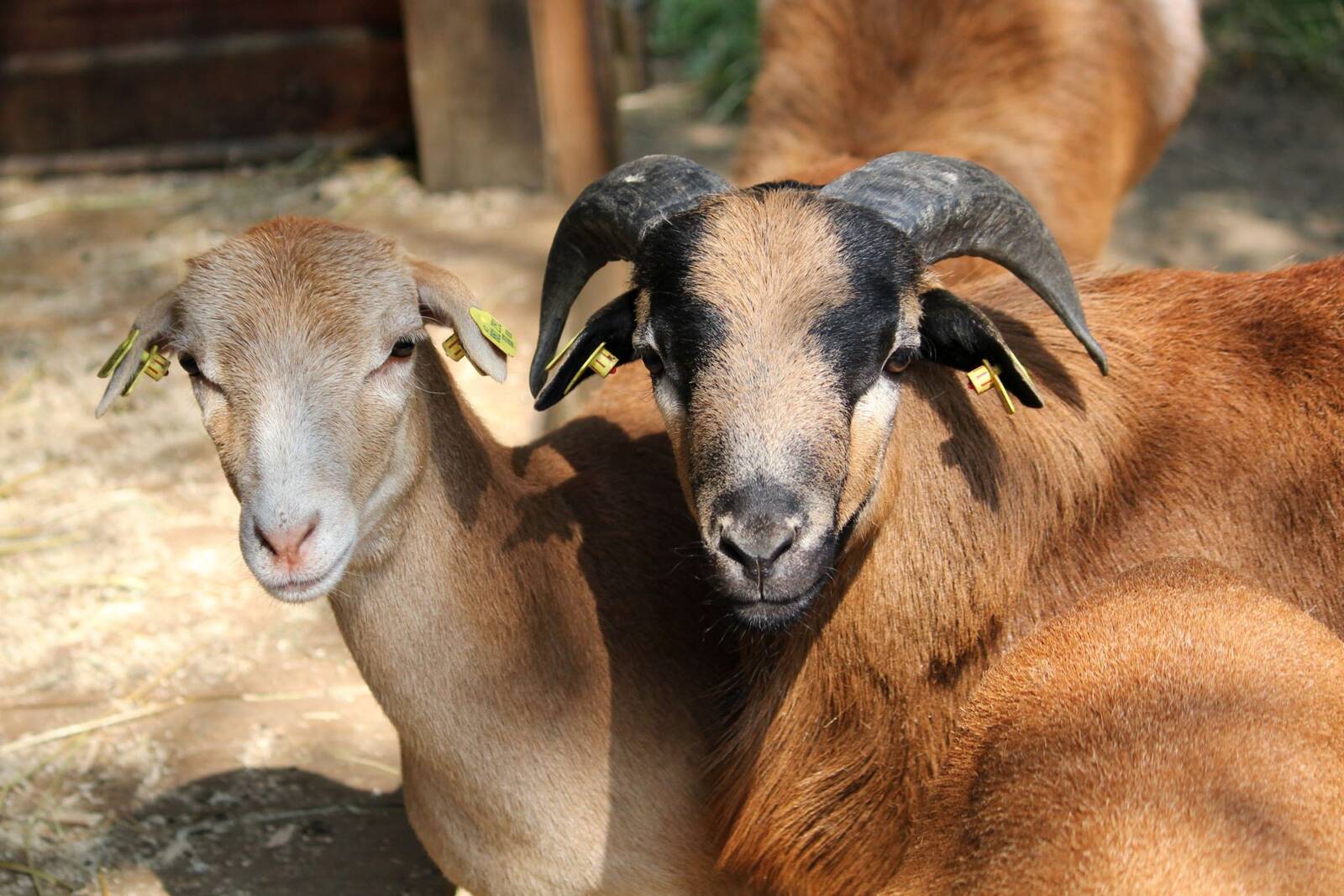
Only male sheep have crescent-shaped horns and a mane on their neck and chest; females, on the other hand, are hornless.

| Order | Pair-hoofed animals |
| Family | Horn-bearer |
| Distribution | Originally from West Africa |
| Habitat |  |
| Food |  |
| Activity |  |
| Weight | Men up to 50 kg, women up to 40 kg |
| Size | Shoulder height (M): up to 60 cm; shoulder height (W): up to 55 cm |
| Service life | 15 years |
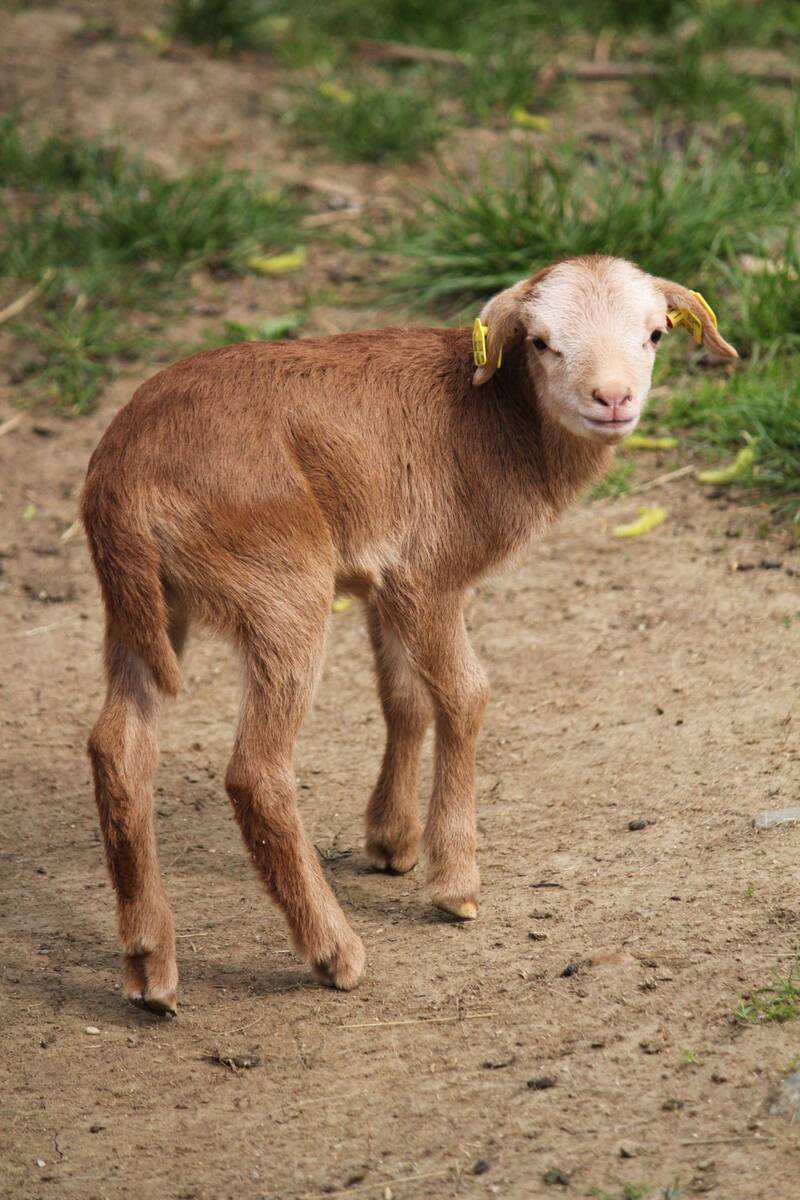
| Reproduction | Year-round—after a gestation period of 150–160 days, 1–2 lambs are born. |
| Risk |  |
| Enemies | no enemies |

Tierwelt Herberstein
Steirischer Landestiergarten GmbH
A 8223 Stubenberg am See
Buchberg 50
Phone: +43 3176 80777
Fax: +43 3176 80777 20
Email: info (at) tierwelt-herberstein. at