



Species Conservation in the Tierwelt Herberstein
As a scientifically managed zoo, it Tierwelt Herberstein follows the guidelines of the World Zoo Conservation Strategy, published by WAZA (World Association of Zoos and Aquariums) and the International Union for Conservation of Nature (IUCN). The four key areas of this strategy are:
- Recreation
- Education
- Research
- Nature Conservation and Species Protection
Not only do recreation, education, and research play a major role in the zoo’s work, but above all, nature conservation and species protection—to which the Tierwelt Herberstein has dedicated itself through a wide range of projects.
National Breeding Programs:
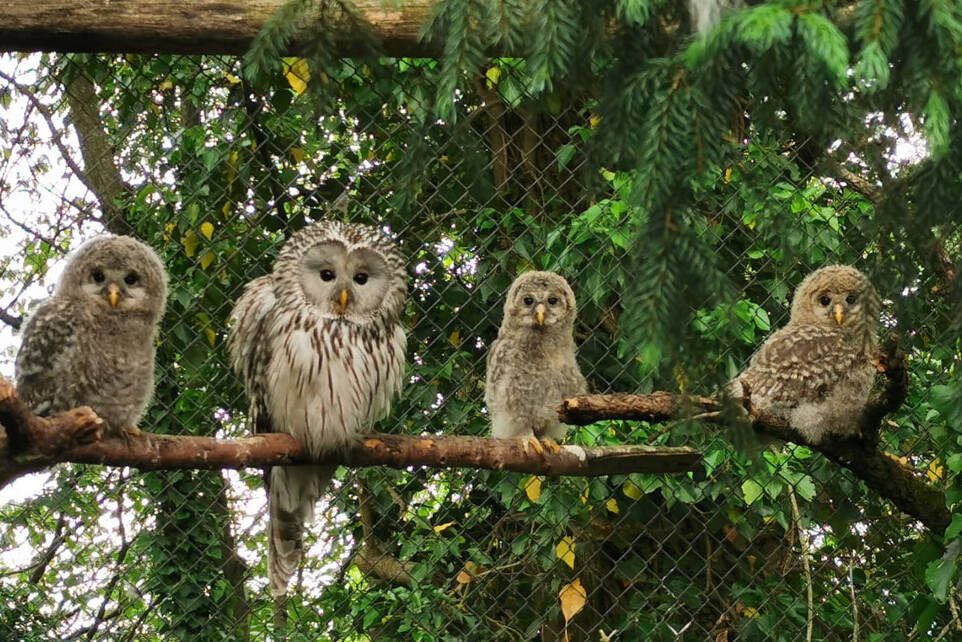
- Strix uralensis (Ural Owl): Breeding pair reassembled in 2019; first offspring in 2020
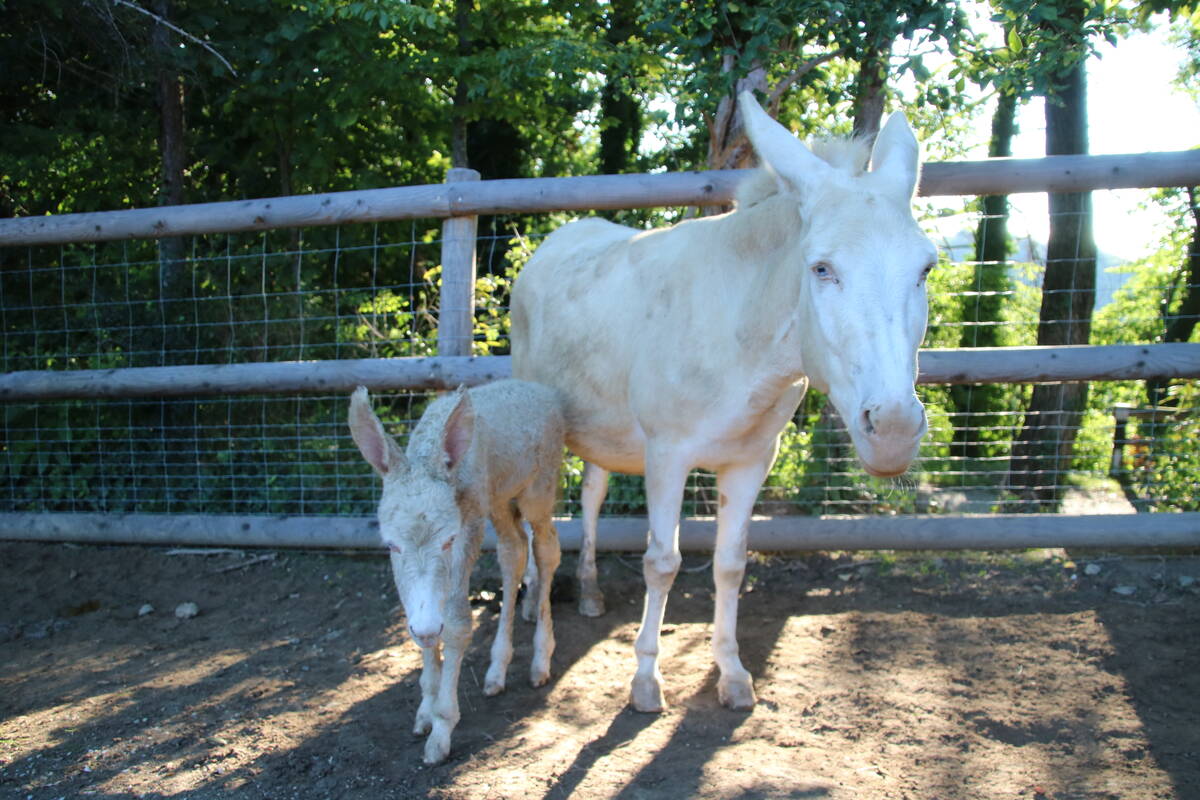
- White Baroque Donkey: Breeding Group, Last Offspring Born in 2020
Eagle Owl at the Zoo
The Ural Owl is kept behind the scenes at the " Tierwelt Herberstein " so that it can devote itself undisturbed to its task of raising its young. Our breeding pair is participating in the reintroduction project for this owl species.
While the Ural Owl was once a common breeding bird in Austria in earlier centuries, the species has been considered extinct since 1950. There are several reasons for the species’ disappearance from Austria, but the primary ones are hunting and habitat destruction.
A reintroduction project has been underway in Austria since 2006, and the “Wienerwald Biosphere Reserve” and the “Dürrenstein Wilderness Area” were selected as suitable sites. The goal is for stable populations of Ural owls—bred in captivity and then released into the wild—to establish themselves there. Therefore, it is important that the young birds hatched at the zoo have as little contact with humans as possible so that they will exhibit natural behaviors in the wild.
White Baroque Donkey in the Animal Kingdom
The White Baroque Donkey was widely kept as a pet among the nobility. With the fall of the monarchy, the white donkeys also disappeared. In the 1980s, a small population was rediscovered at what was then the Herberstein Zoo. A breeding program was established using these animals and a few others found in Hungary, and the breed was officially recognized in 2016. Today, there are once again over 300 donkeys of this unique Austrian breed.
International Conservation Breeding Programs:
With 19 of the animal species kept at the zoo, the Styrian State Zoo participates in international breeding programs such as the EEP (European Endangered Species Program) and the ESB (European Studbook). In these programs, breeding coordinators pair animals or form breeding groups to preserve the greatest possible genetic diversity. The breeding coordinator is advised by a Species Committee in each case. A representative from the Styrian State Zoo Association ( Tierwelt Herberstein ) also serves on several of these committees.
Mammals:
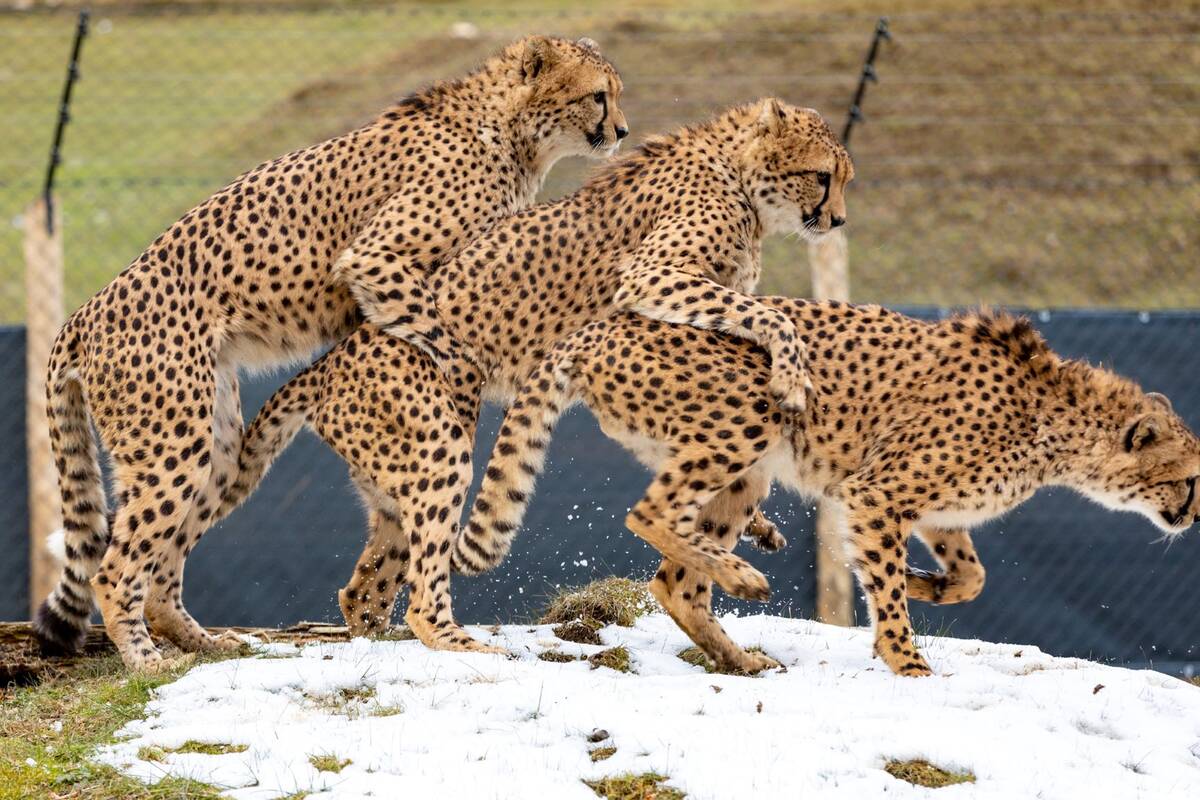
- Acinonyx jubatus (cheetah): Keeping a bachelor group
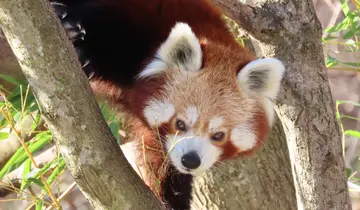
- Ailurus fulgens (red panda): breeding pair, no offspring so far
- Chrysocyon brachyurus (maned wolf): Breeding pair, first litter in 2019
- Choloepus didactylus (two-toed sloth): breeding pair, regular offspring
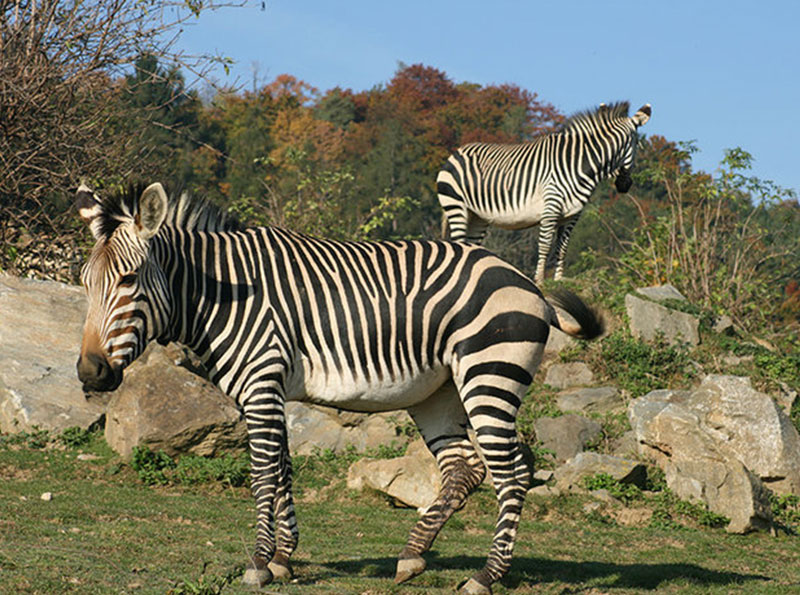
- Equus zebra hartmannae (Hartmann's mountain zebra): Maintenance of a breeding herd; last offspring born in 2019
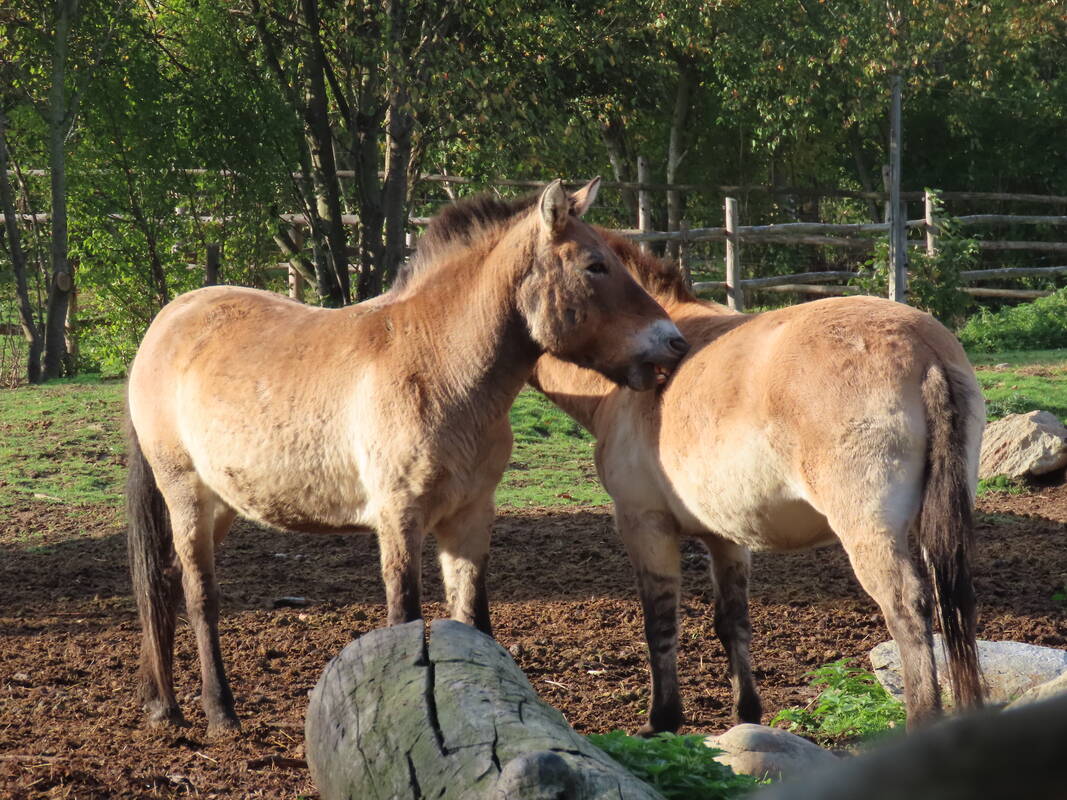
- Equus przewalski (Przewalski's horse): Group of mares
- Gulo gulo (wolverine): Breeding pair, first offspring in 2020
- Lynx lynx (Eurasian lynx)
- Mandrillus sphinx (mandrill): Breeding pair, currently not breeding
- Saguinus oedipus (Lisztaffe): Keeping a group of single males
- Saimiri boliviensis (Bolivian squirrel monkey): Keeping a bachelor group
- Symphalangus syndactylus (siamang): A family group is being kept; last offspring born in 2015; breeding program currently on hold
- Tapirus terrestris (lowland tapir): Housing a family group
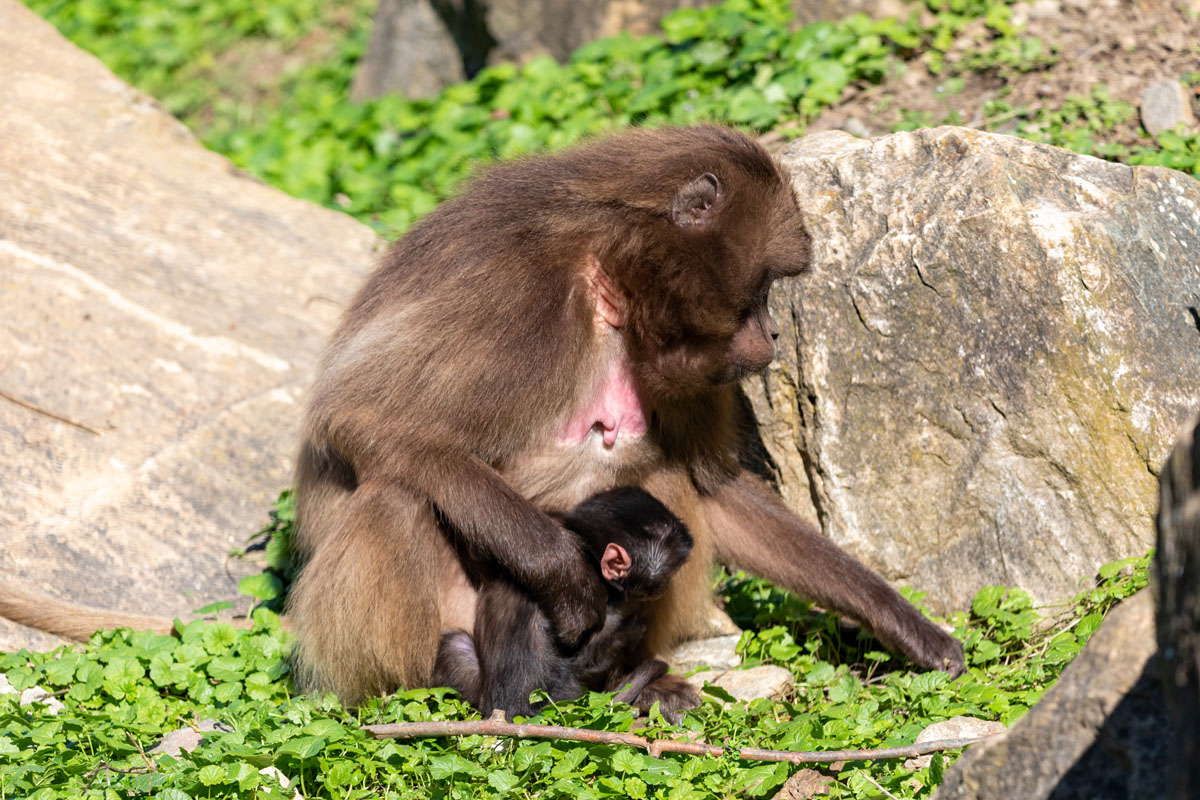
- Theropithecus gelada (Gelada): Housing a breeding group; last offspring born in 2021
- Tremarctos ornatus (spectacled bear): A breeding pair is being kept; no offspring have been born yet
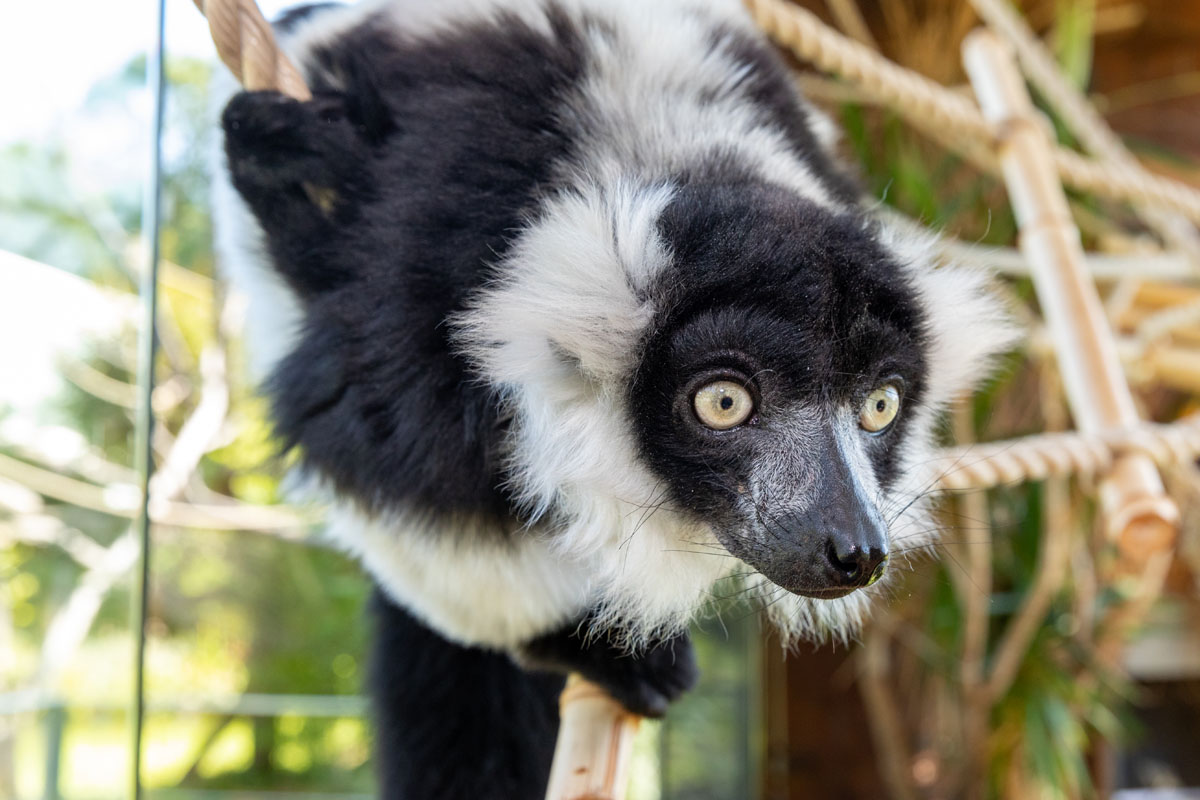
- Varecia variegata (Black-and-White Vari or Belted Vari): Keeping a Group of Females
- Vicugna vicugna (vicuña): A group of bachelors
Birds:
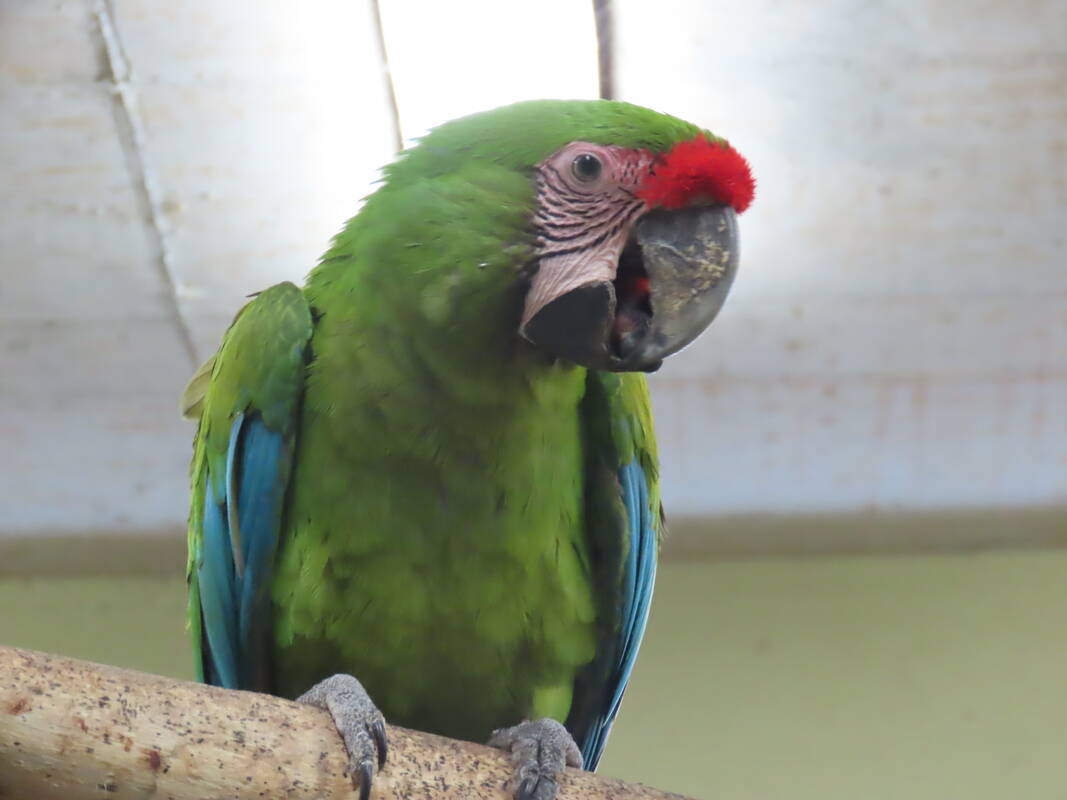
- Ara ambigua (Great Soldier Macaw): currently a breeding pair; starting in 2022, a group of females
- Pelecanus crispus (Dalmatian pelican): Maintenance of a breeding group; no offspring to date
Animals kept in zoos often serve as a gene pool in case living conditions in the wild change enough to allow for their reintroduction. This was the only way, for example, to preserve the Przewalski’s horse. Having disappeared from the wild around 1960, a stable population was bred from zoo stock. Starting in the 1990s, some of these animals were reintroduced to their original homeland, Mongolia, where they have already begun to form small populations once again.
We are particularly proud of our breeding success with our Great Blue Macaws: in recent years, we have been able to send many young birds to other zoos for further breeding. The progenitor of this line was our male blue macaw, Jakob, who died in 2022 at the impressive age of nearly 60.
Tierwelt Herberstein
Steirischer Landestiergarten GmbH
A 8223 Stubenberg am See
Buchberg 50
Phone: +43 3176 80777
Fax: +43 3176 80777 20
Email: info (at) tierwelt-herberstein. at