








Research in the Tierwelt Herberstein
Zoos are extremely important as research sites. Where else can you find so many different species from every continent in one place? And even more importantly, where else can you get so close to wild animals without disturbing them, influencing their behavior, or even scaring them away?
Basic research is conducted as part of our daily work; the data collected in the process is entered into, among other places, the largest wildlife database, ZIMS (Zoological Information Management System), and is thus available to users around the world. This includes data on weight, diet, reproductive behavior, enclosures, training, and enrichment.
So research at the zoo doesn’t always involve schoolchildren, college students, or scientists standing in front of an enclosure and making observations (which, of course, is very often the case); it can also involve collecting blood or fecal samples (often as part of routine examinations that have to be conducted anyway) and analyzing them for a wide variety of factors.
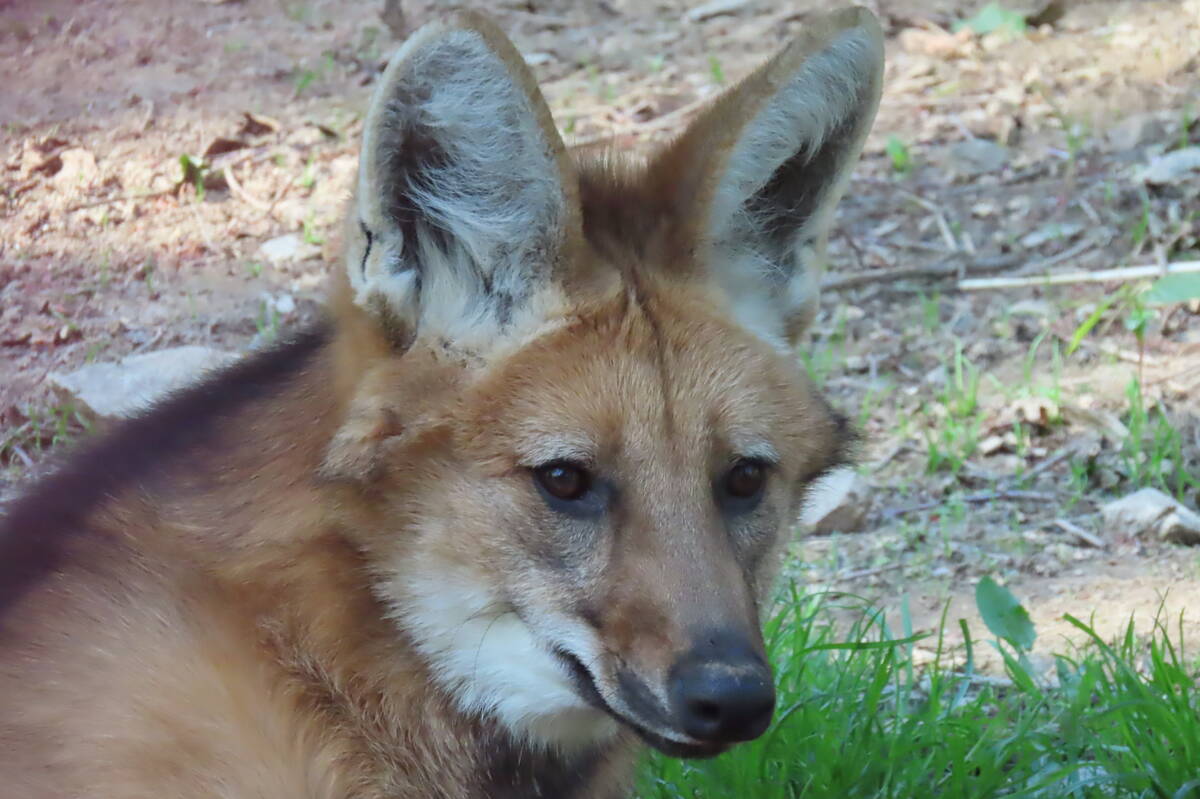
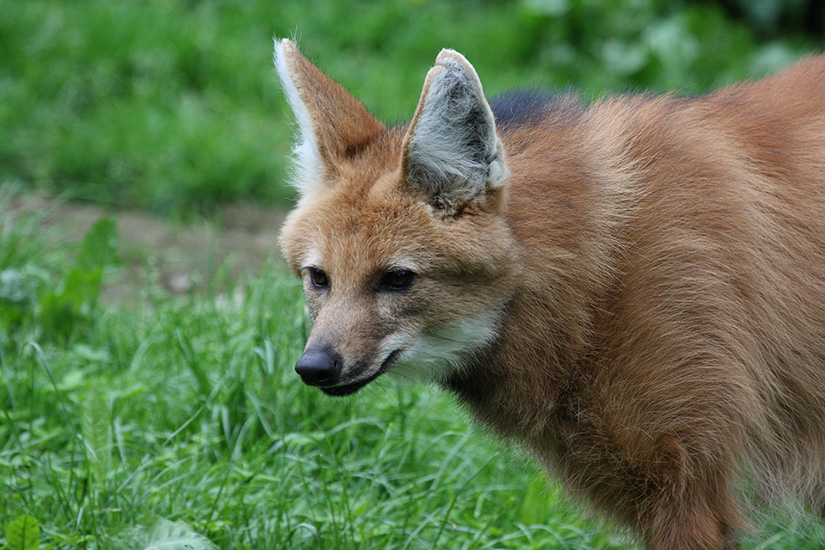
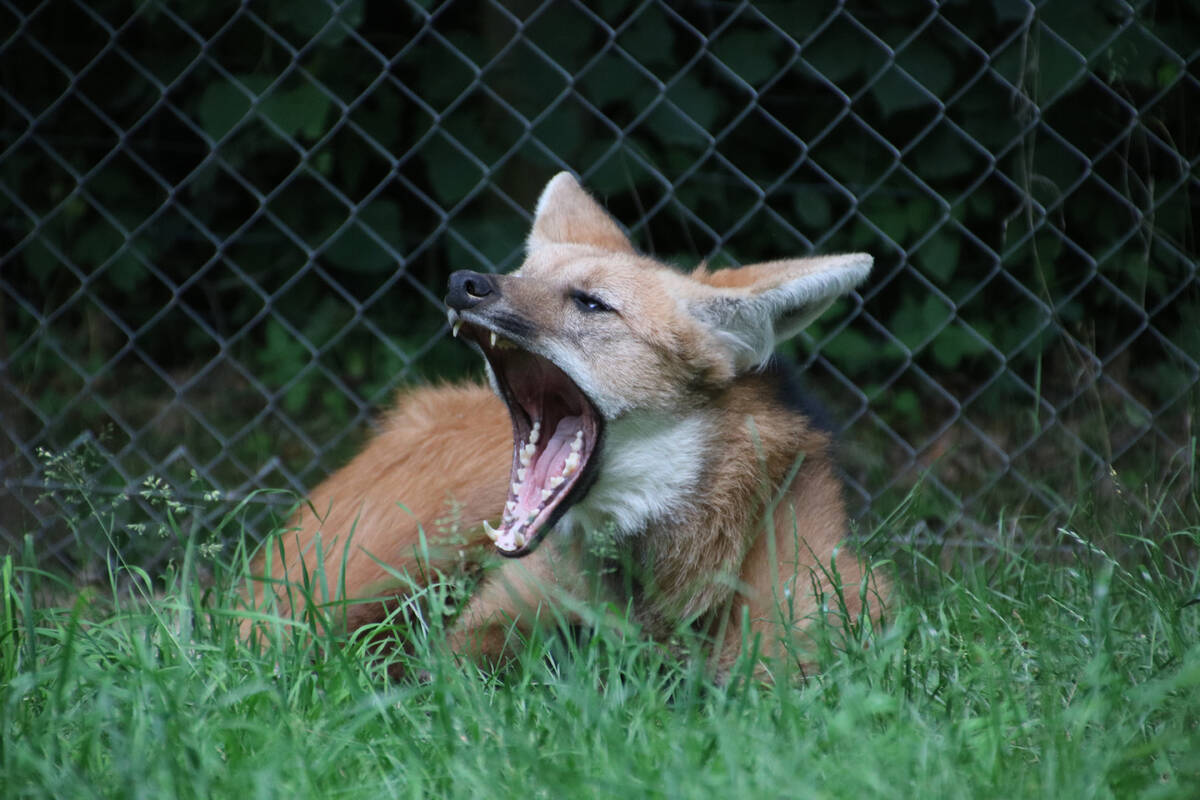
Some animal species, including, for example, the maned wolf (Chrysocyon brachyurus), have been studied very little in the wild. Most of the data available on these animals comes from observations made in zoos. Every single observation can help improve the conditions under which these animals are kept in zoos and animal parks and may even contribute to the conservation of the species in the wild.
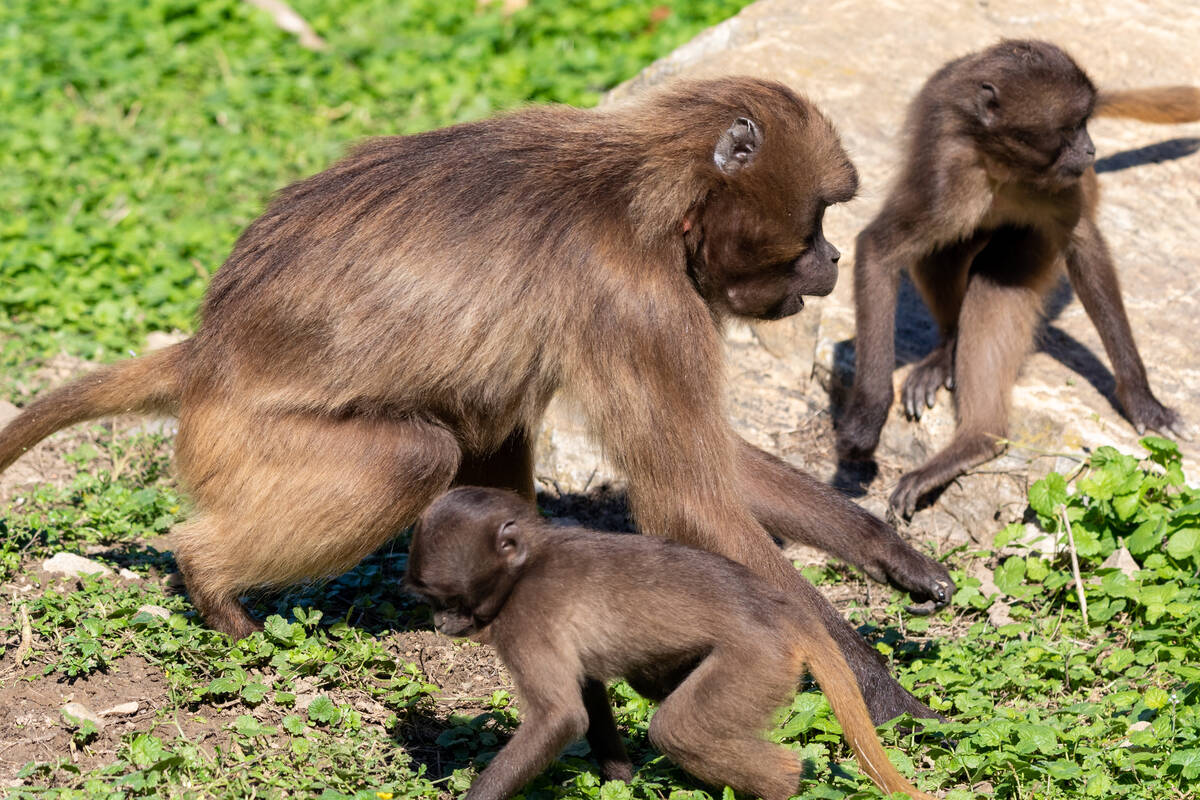
At the “ Tierwelt Herberstein ,” research frequently focuses on the various species of monkeys—especially the geladas—as a result of close collaboration with the University of Graz. However, the newly arrived group of cheetah brothers has also been the subject of several studies, as have wolverines, which are rarely kept in zoos.
A selection of research projects conducted in recent years at the Institute for the Study of Human Behavior ( Tierwelt Herberstein ):
Theses
Tanja Handl: Thesis: “The Integration of Two Subadult Gelada Males (Theropithecus gelada) into an Existing Group” (Karl-Franzens University of Graz)
Mag. Beate Übelleitner: Thesis: “Grouping, Enclosure Design, and Enrichment for Wolverine at the Tierwelt Herberstein ” (Karl-Franzens University of Graz)
Marie Theres Ortner: Thesis: “The Potential of Zoos as Extracurricular Learning Environments for Biology Instruction. A Teaching Concept at the Tierwelt Herberstein” (Karl-Franzens University of Graz)

Dissertation / Doctoral Thesis
Mag. Sonia Weber: Dissertation: “Feeding, Husbandry, and Medical Practices for Maned Wolves in Zoos Worldwide” (University of Zurich), in progress
Scientific Papers
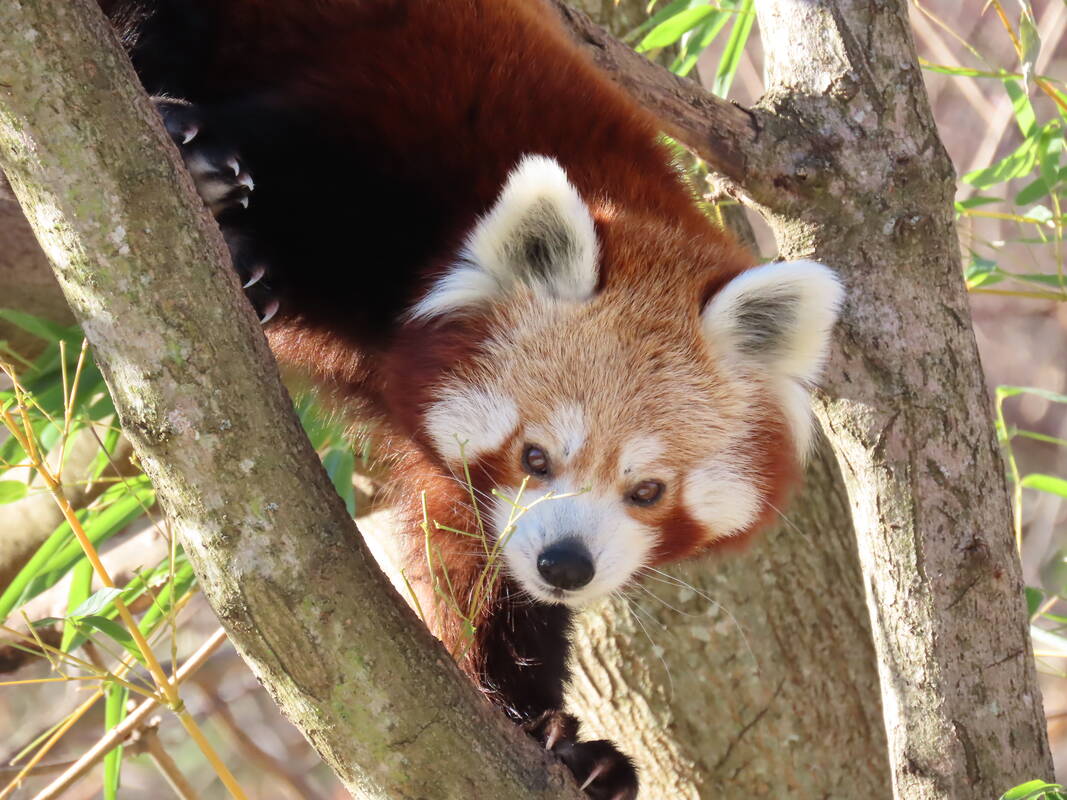
Jana Mede: “Research Study Focusing on Amdoparvovirus Infection in Red Pandas Kept in European Zoos” (Ljubljana Zoo), in progress
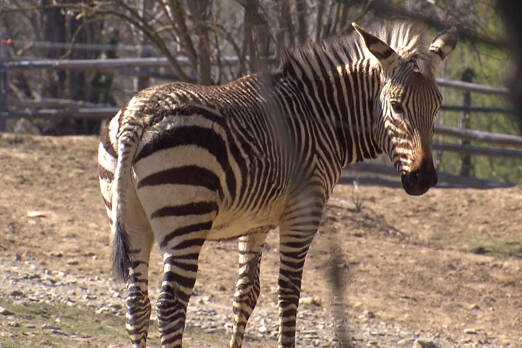
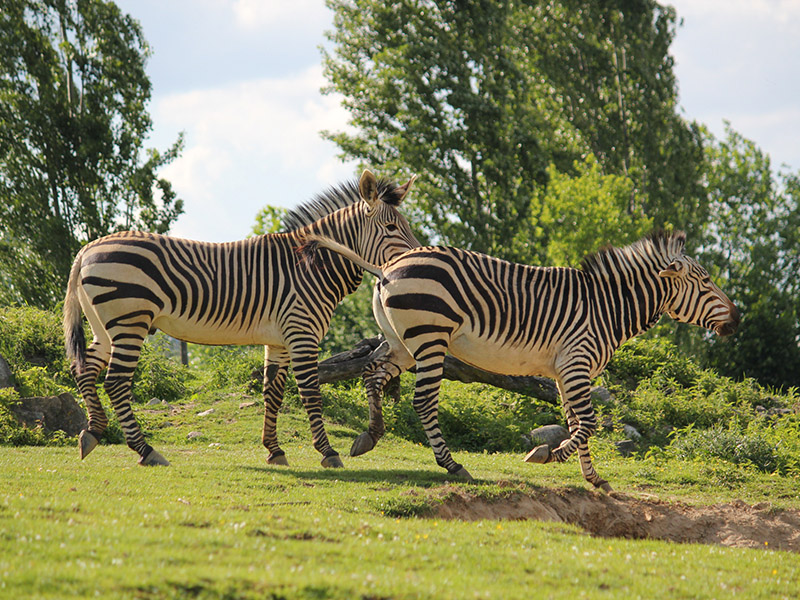
Dr. Sven Budik: “Study of Color Genes in Different Species of Zebras” (Vetmeduni Vienna), in progress
Pre-Thesis Paper
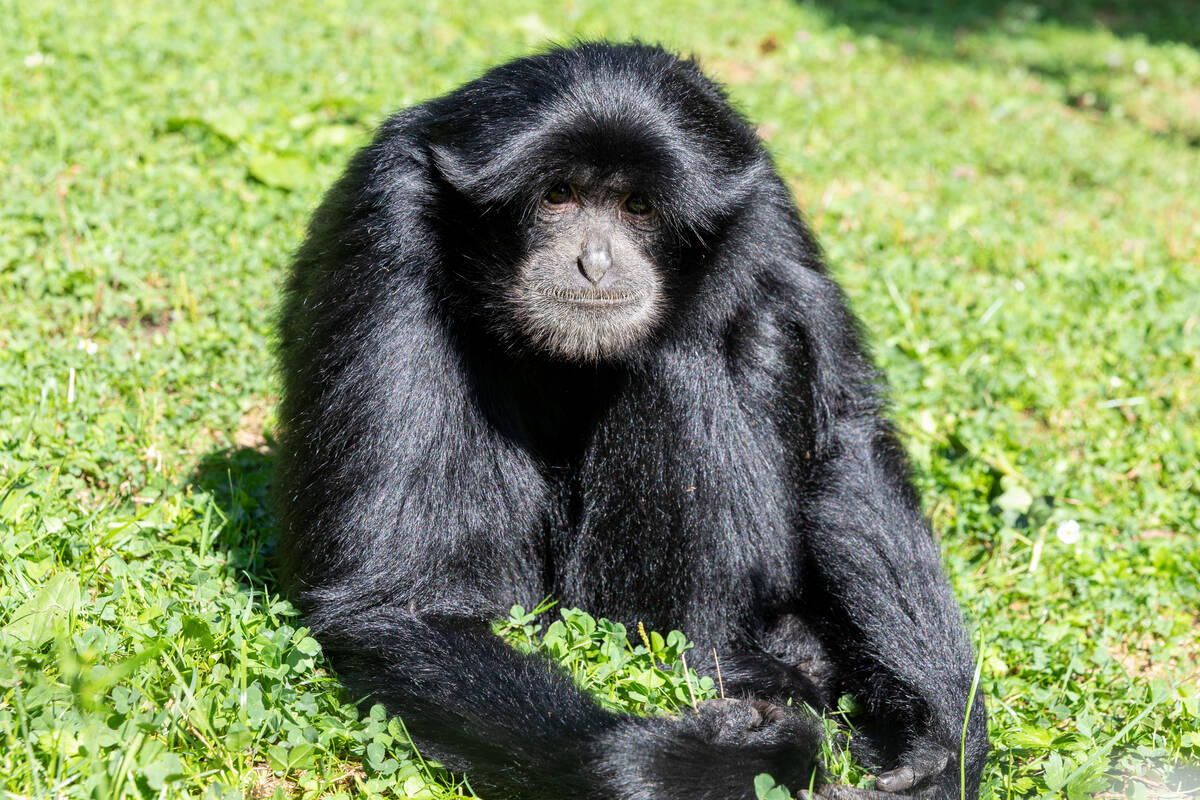
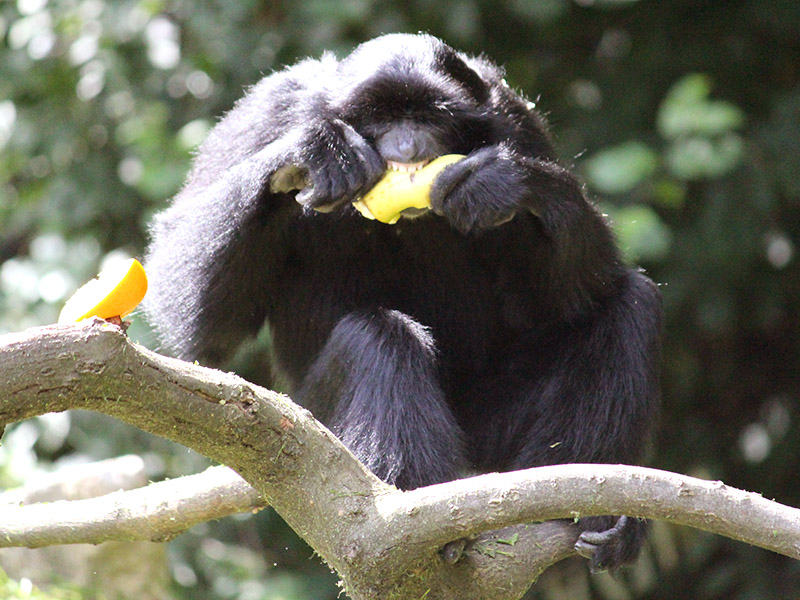
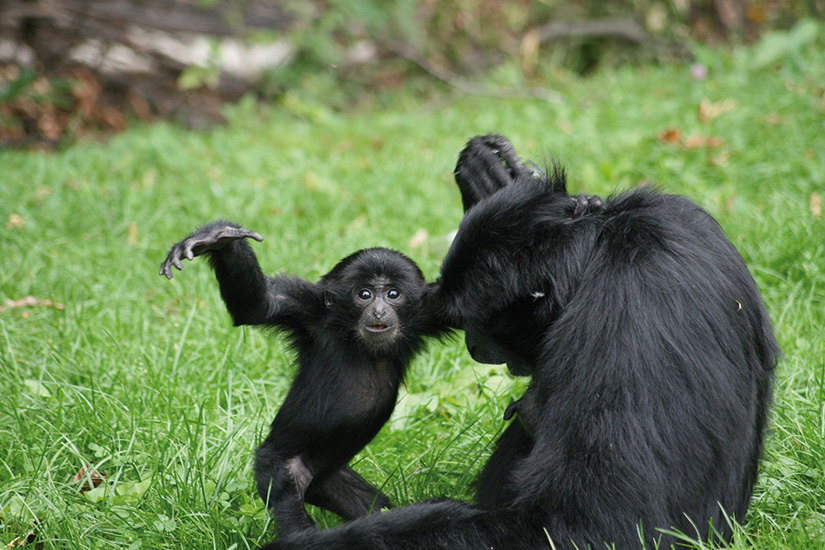
Bertram V. Schlemmer: VWA: “Small Great Apes—Gibbons and Their Care in Austrian Zoos and Wildlife Parks”

Tierwelt Herberstein
Steirischer Landestiergarten GmbH
A 8223 Stubenberg am See
Buchberg 50
Phone: +43 3176 80777
Fax: +43 3176 80777 20
Email: info (at) tierwelt-herberstein. at