




Biodiversity Hotspot
The 125-hectare European Nature Reserve No. 1 “Feistritzklamm/Herberstein,” with over 5,000 recorded species, is the most biodiverse area in Styria. The diversity of documented beetles is particularly unique in Europe: 2,300 species belong to this insect group alone. This extraordinary abundance of species is due in part to decades of research by Erwin Holzer, but also to the large amount of lying, standing, and thick deadwood in the area.

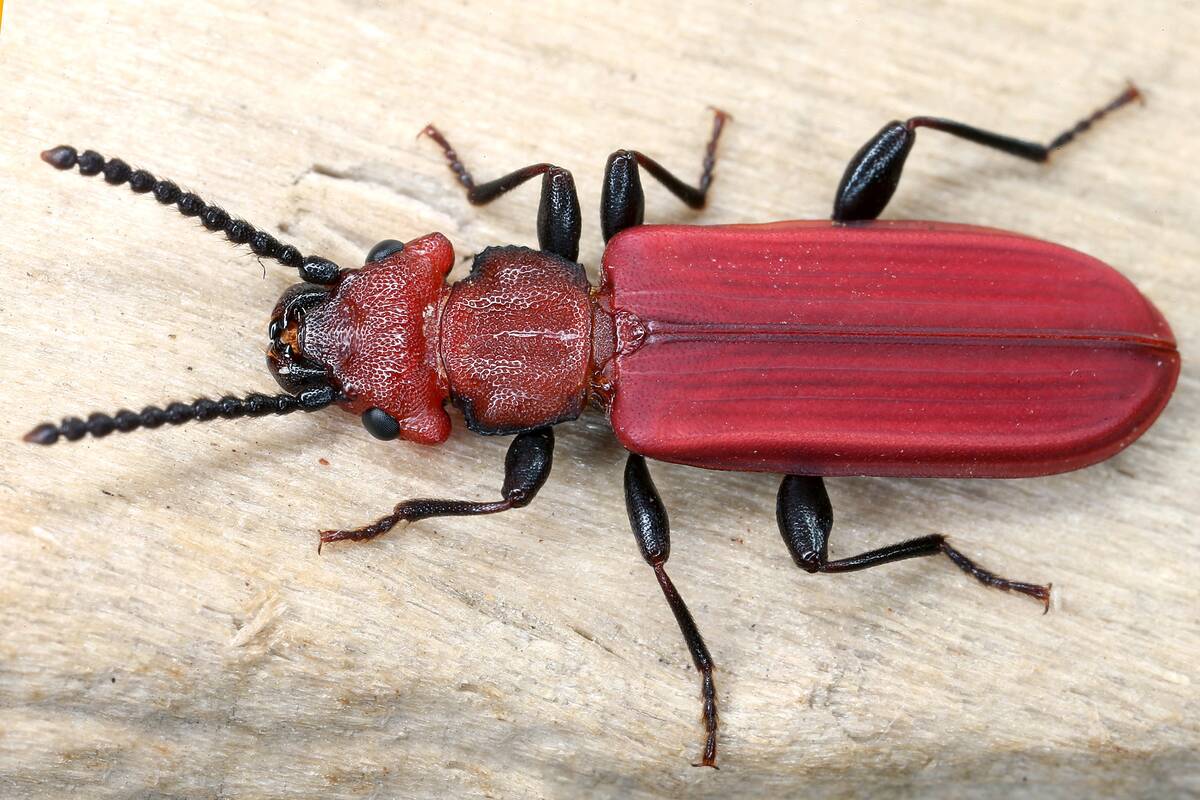
Of all native tree and shrub species, oaks play a prominent role in biodiversity. In Central Europe, more than 1,000 insect species have already been documented on oaks. A particularly striking example is the great oak longhorn beetle, which in Styria has so far been found only in the Feistritzklamm gorge. It undergoes a multi-year life cycle within the dense oak wood and is one of 18 beetle species protected in Austria under EU law—13 of these species depend on dead wood.
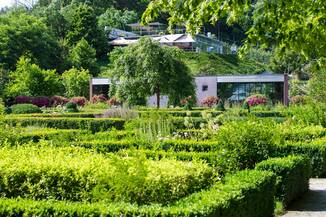
The reserve’s exceptional abundance of beetles is explored in detail at the House of Biodiversity. There, visitors can marvel at all the documented species on display in a large display case. An interactive station allows visitors to delve into beetle research.
The decline of many species still found in the area is primarily attributable to forests that are kept “clean” and lack thick deadwood. This deadwood is usually stacked at the forest edge or along forest roads for later use. Attracted by the scent of the wood, some beetles lay their eggs in it, but are destroyed by the use of the logs before they can complete their development, which often takes several years.

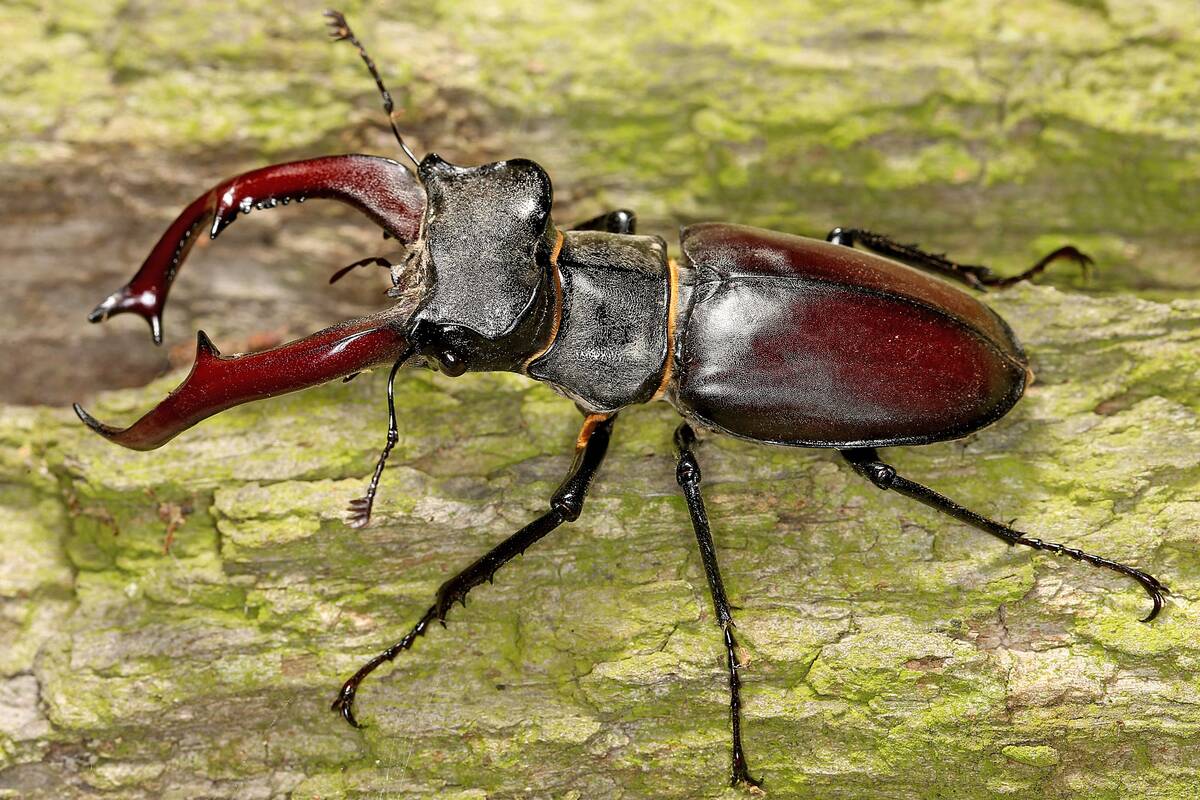
Facts and Figures About Beetles (2025)
- Worldwide: approximately 380,000 known species
- Austria: approximately 8,000 presumed species
- Styria: 5,440 recorded species
- Herberstein: 2,300 species (42% of Styrian species)

Tierwelt Herberstein
Steirischer Landestiergarten GmbH
A 8223 Stubenberg am See
Buchberg 50
Phone: +43 3176 80777
Fax: +43 3176 80777 20
Email: info (at) tierwelt-herberstein. at