




Feistritzklamm European Nature Reserve
A source of livelihood for numerous animal species
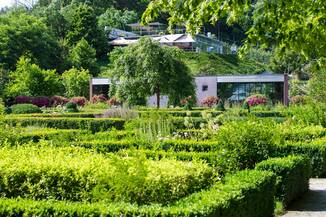
The Feistritzklamm is a pristine European nature reserve that borders directly on the Tierwelt Herberstein , and is home to several rare species. Centuries-old, gnarled oaks grow in the primeval relict forest on the steep slopes of the gorge. They provide a habitat for numerous rare animal species.
The Feistritz Gorge near Herberstein—Styria's No. 1 European Protected Area
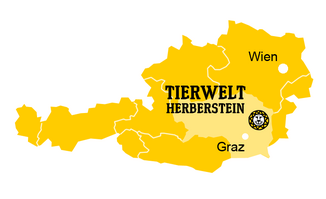
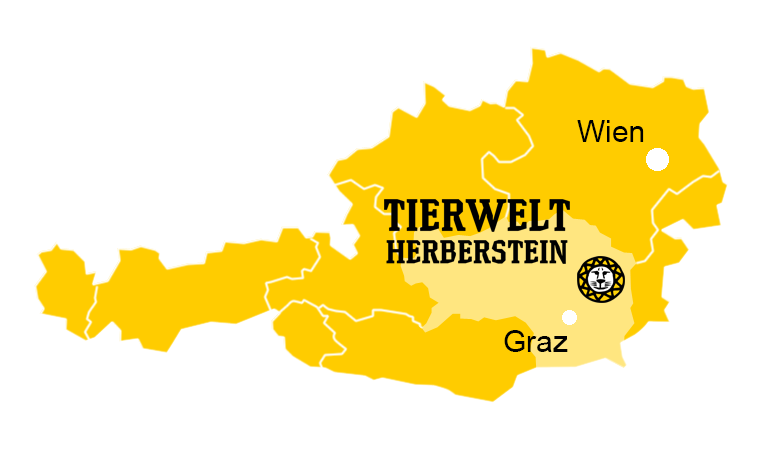
In Stubenberg am See, the Feistritz River carves its way through the rock, forming the picturesque Feistritz Gorge. Right next to it lies the “ Tierwelt Herberstein ,” and perched on a rocky outcrop around which the river winds is Herberstein Castle.
This unspoiled gorge, with its steep slopes, is one of the most valuable and species-rich nature reserves in the state. This is further evidenced by the fact that the Feistritzklamm was the first natural gem in Styria to be designated a “European Nature Reserve.”
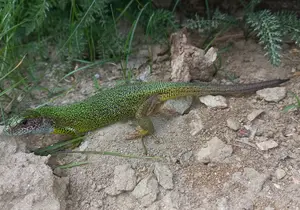
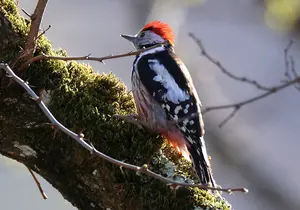
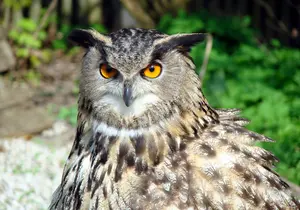
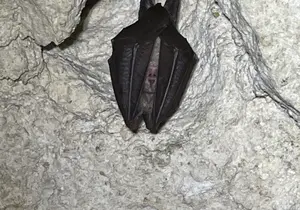
Pristine old oak trees, deadwood, calcareous dry grasslands, rocky outcrops, and scree deposits form habitats in the gorge for numerous rare and endangered animal species. Endangered bird species such as the eagle owl, the lesser and middle spotted woodpeckers, the dipper, and the collared flycatcher, as well as rare bats like the lesser horseshoe bat and the greater mouse-eared bat, and the eastern green lizard can be found here. Of the more than 5,000 animal, plant, and fungus species found in the area, the beetle group alone includes 10 critically endangered, 43 highly endangered, and 40 endangered species.
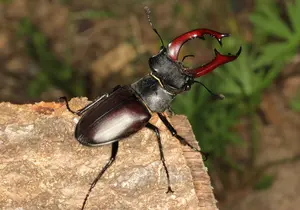
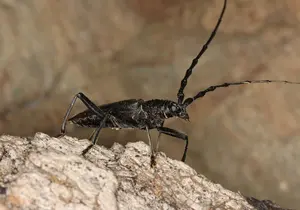
Four beetle species are strictly protected under the European Union’s Fauna-Flora-Habitat Directive: The great oak longhorn beetle is considered a flagship species; in Styria, its only known population is in the Feistritzklamm gorge. It depends on the presence of sunlit old-growth oak trees. The males are particularly striking due to their long antennae. With a body length of about 5 centimeters, their antennae can reach 10 centimeters in length. The stag beetle, which is also found in the area, is equally impressive. Only male stag beetles develop antler-like mandibles, and at up to 9 centimeters, they are the largest beetle species in Central Europe. The larvae develop in the fungus-decayed deadwood of decaying deciduous trees. The adult beetles feed on the sap of oak trees. Another extremely rare beetle species also leads a hidden life beneath the bark of deciduous trees: the scarlet flat beetle. Thanks to its strikingly flattened body, it is perfectly adapted to life beneath the bark of dying deciduous trees. However, unlike most other wood-dwelling beetle species, it does not gnaw a hole through the bark. The beautifully vermilion-colored beetle emerges into the open through cracks in the bark. The presence of the hermit beetle has also been documented in the Feistritzklamm. This beetle, which is just under 3 centimeters long and belongs to the rose beetle family, is truly a hermit. Sometimes the males spend their entire lives in a breeding cavity within an old deciduous tree, attempting to attract females with their alluring scent.
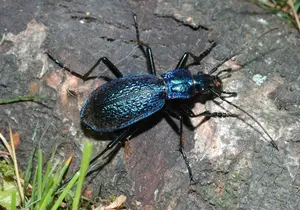
During the warmer months, you can spot a wide variety of rare and colorful insects in the European Nature Reserve. When taking a walk through the Feistritz Gorge, be sure to keep your eyes and ears open. There’s always something new to discover here!
Tierwelt Herberstein
Steirischer Landestiergarten GmbH
A 8223 Stubenberg am See
Buchberg 50
Phone: +43 3176 80777
Fax: +43 3176 80777 20
Email: info (at) tierwelt-herberstein. at