








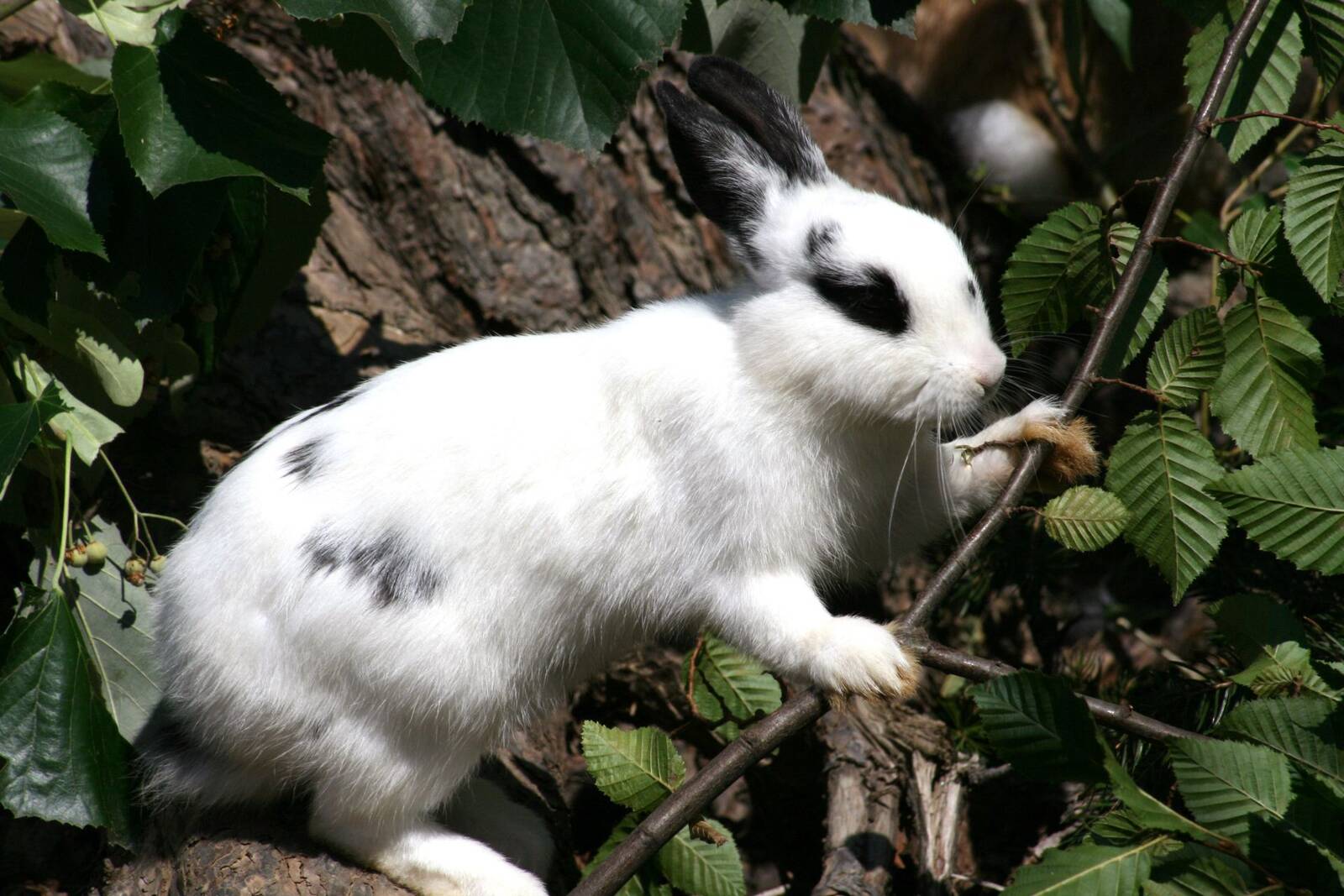
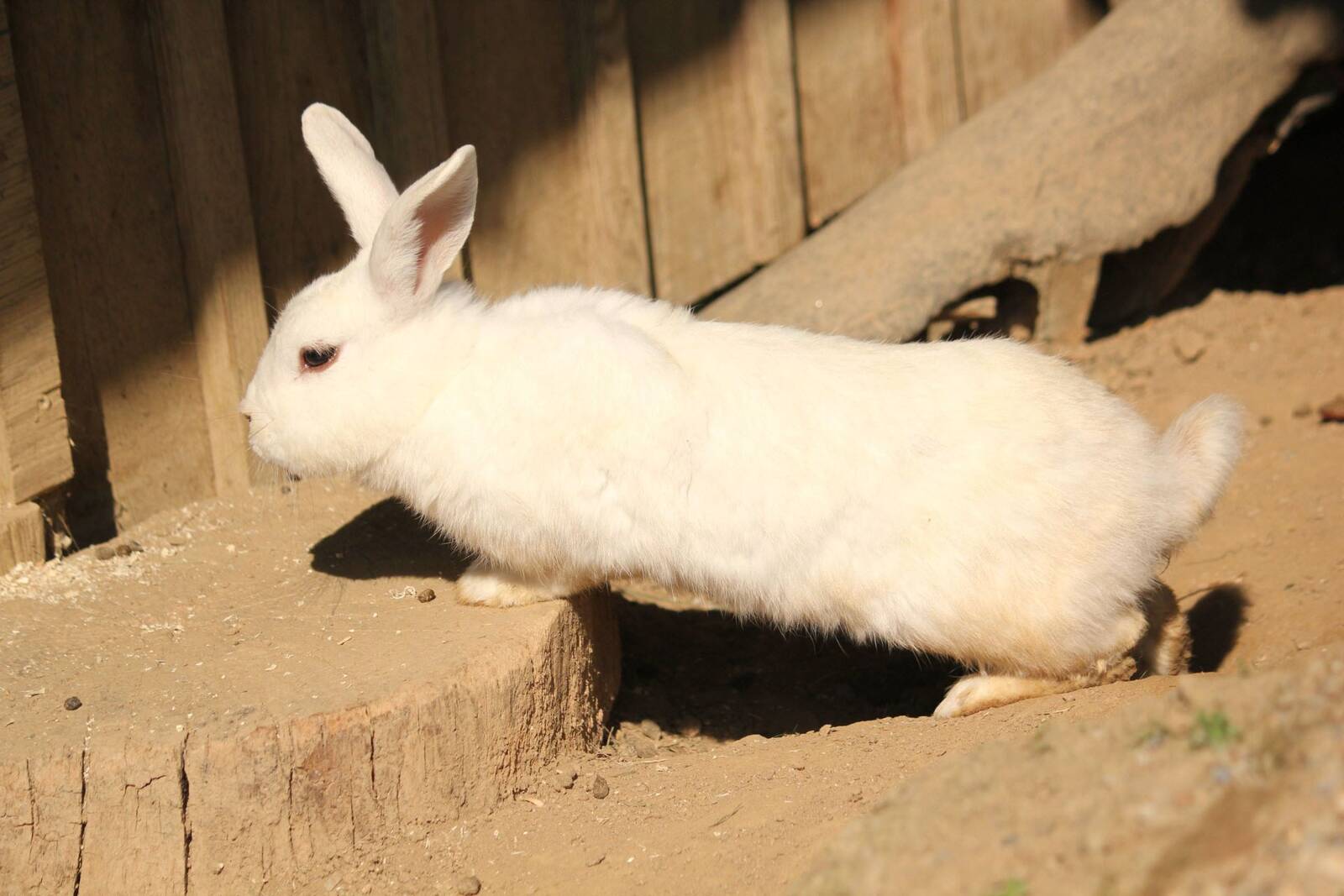
Pet rabbits at the petting zoo
Rabbit
Oryctolagus cuniculus, domestic form
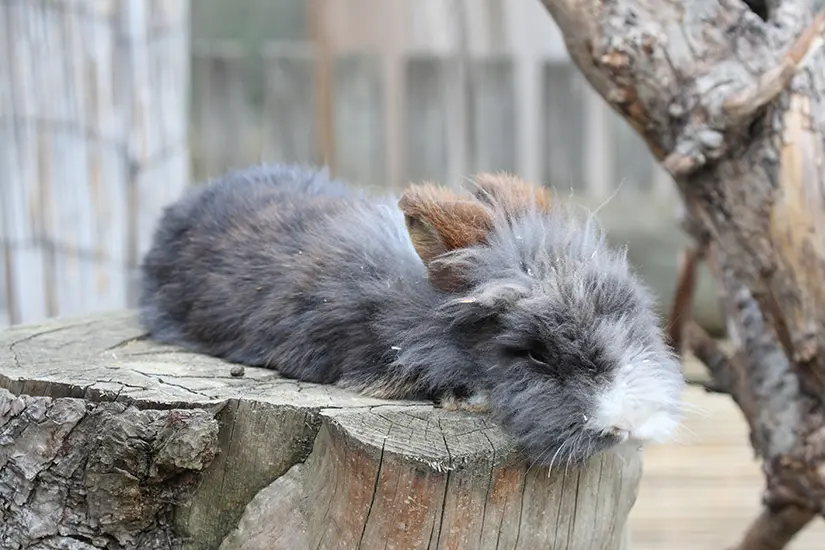
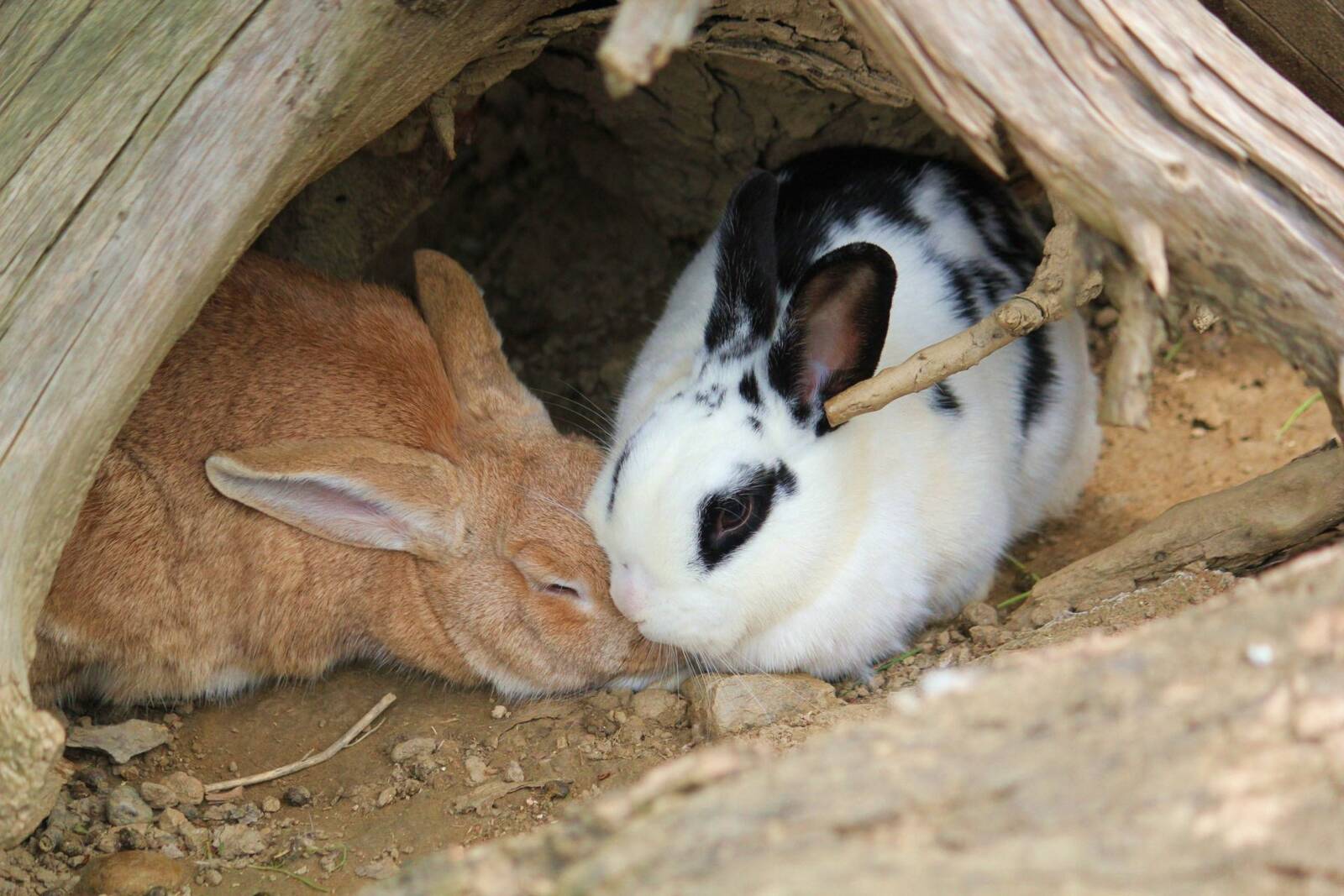
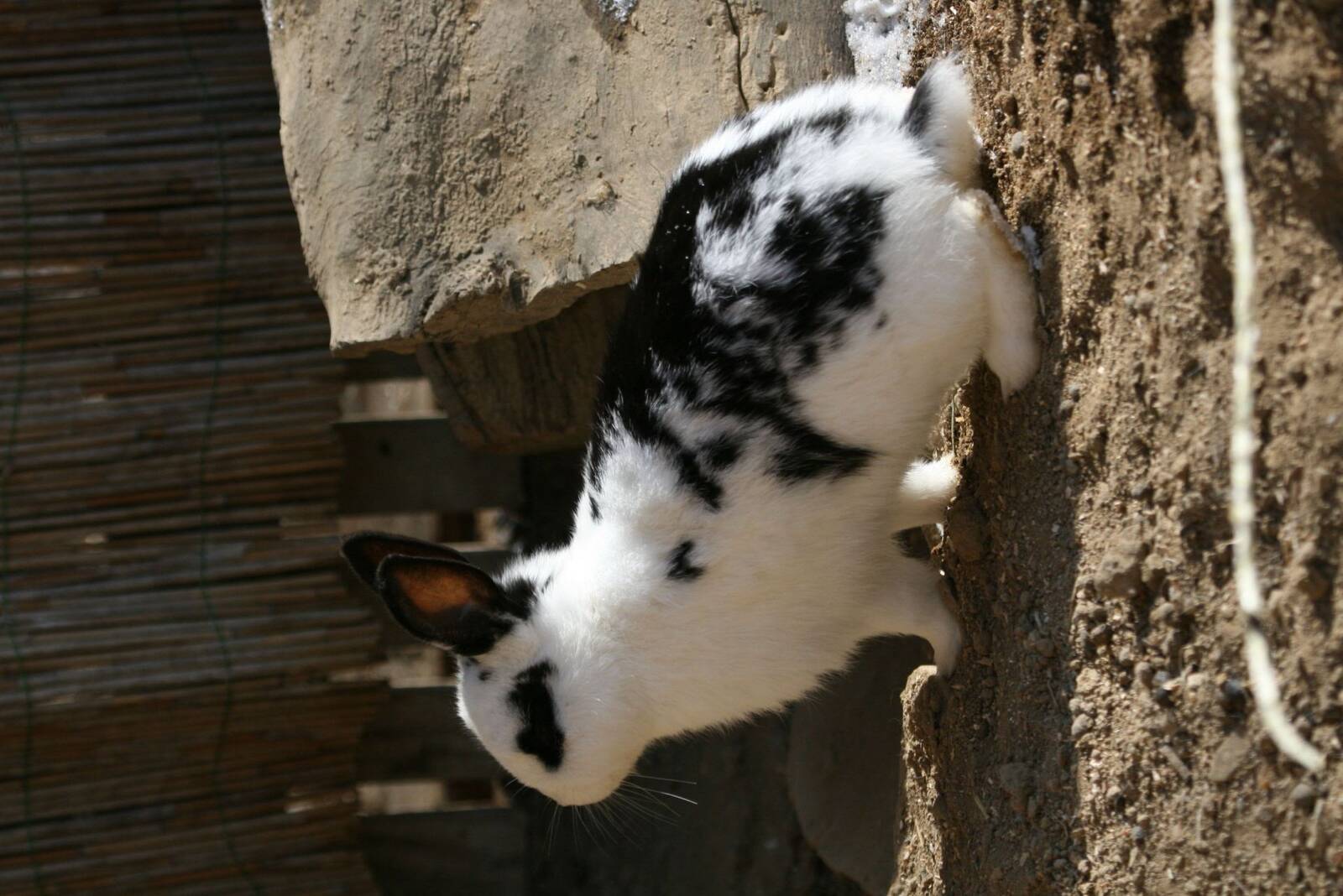
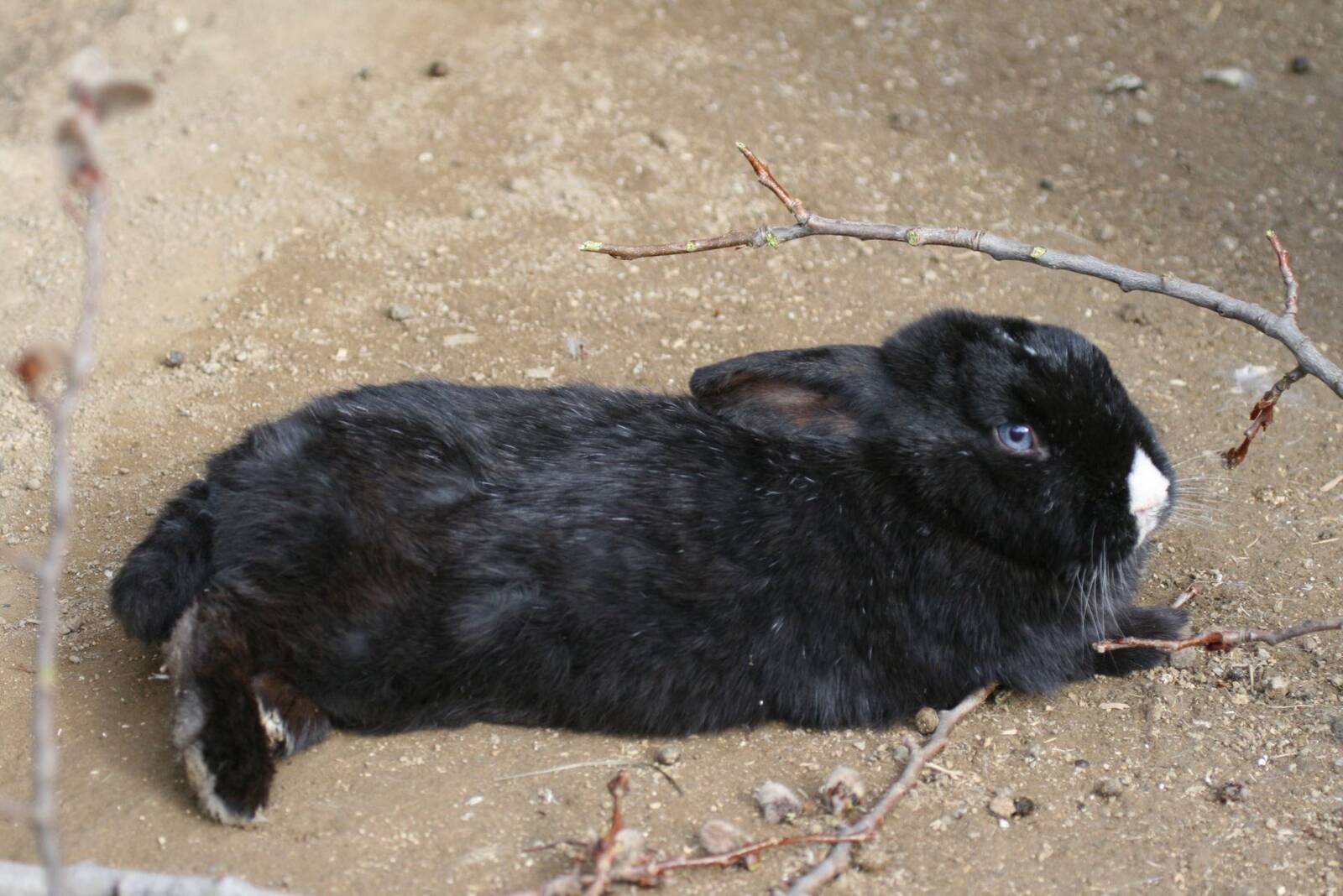
The ancestor of the domestic rabbit is the European wild rabbit. Domestic rabbits have been kept as pets for over 2,000 years. Today, they range from dwarf rabbits, which weigh only about one kilogram, to the German Giant—the largest rabbit breed, weighing up to 12 kilograms—and come in a wide variety of coat colors and hair lengths.
Did you know?
Domestic rabbits eat the feces produced during the night—known as cecal feces—in the morning. Because these feces have been fermented in the cecum, they are enriched with nutrients and serve as an important dietary supplement.
| Order | Lagomorphs |
| Family | Rabbits |
| Distribution | Originally from Europe, now established worldwide |
| Habitat |  |
| Food |  |
| Activity |  |
| Weight | 1–12 kg |
| Size | 20–50 cm |
| Service life | up to 10 years |
| Reproduction | Rabbits reach sexual maturity at 5–8 months of age and give birth to 1–9 young after a gestation period of 28–31 days. |
| Risk |  |
| Enemies | no enemies |

Tierwelt Herberstein
Steirischer Landestiergarten GmbH
A 8223 Stubenberg am See
Buchberg 50
Phone: +43 3176 80777
Fax: +43 3176 80777 20
Email: info (at) tierwelt-herberstein. at