








Pygmy goat
Pygmy Goat
Capra aegagrus hircus 'Pygmy'
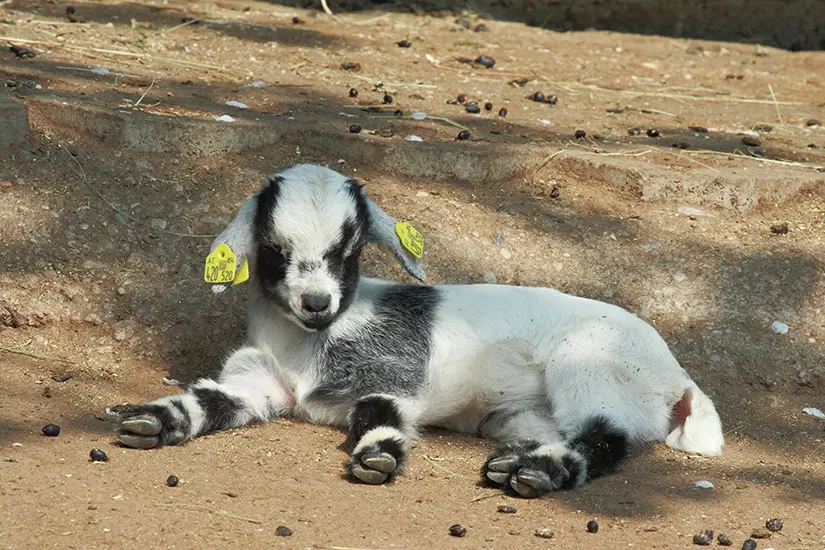
Pygmy goats are excellent climbers, which is why they can be raised even in rocky areas where cattle stand no chance.
They eat almost anything that is plant-based and not nailed or bolted down. Since they prefer to nibble on young shoots, they can cause a great deal of damage and, in some parts of the world, contribute to desertification.
Did you know?
Goats are the second-oldest domesticated animals, after dogs. Consequently, there are a large number of different breeds—probably more than 200. They are primarily raised for milk, but they also provide meat, horns, and hair.
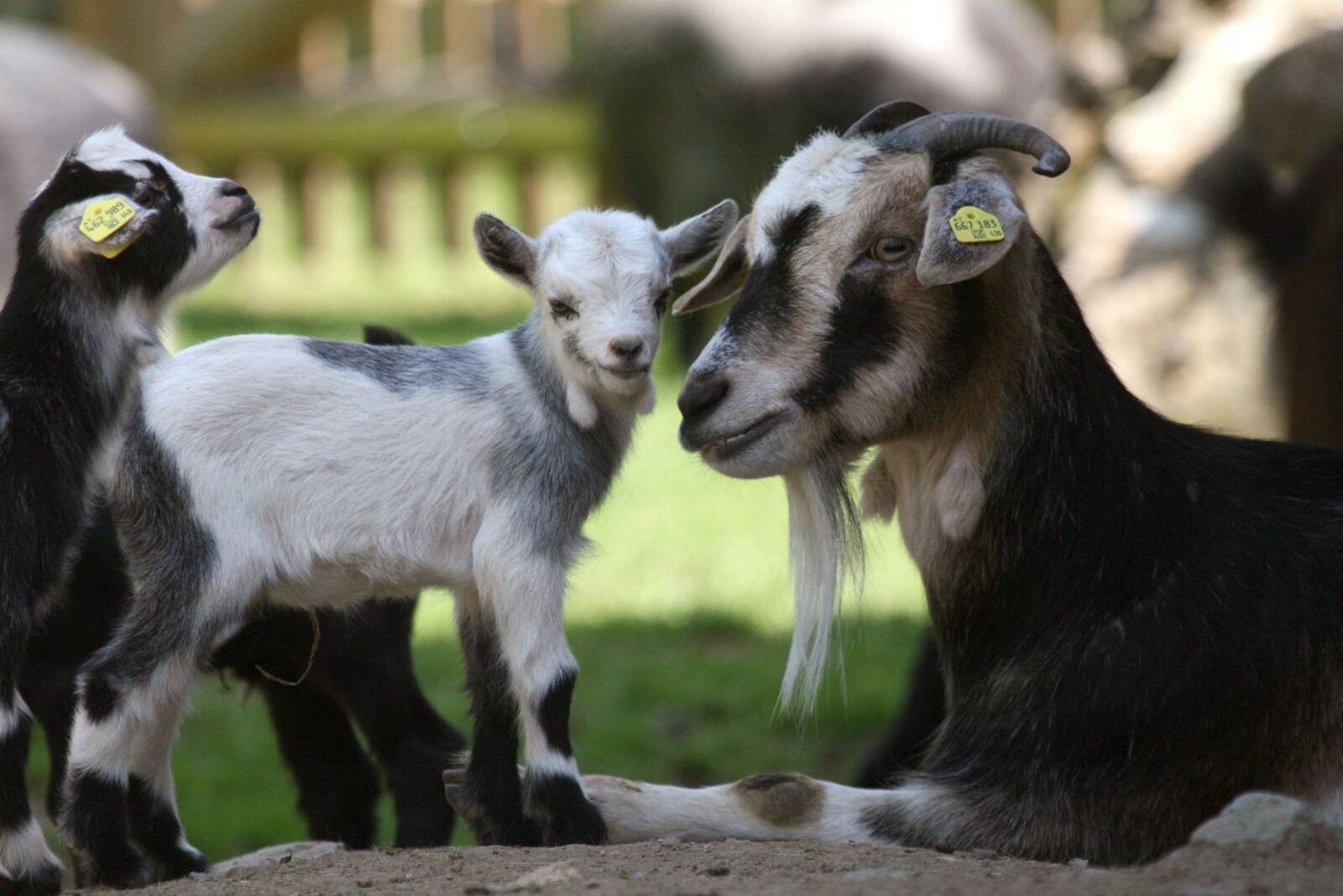

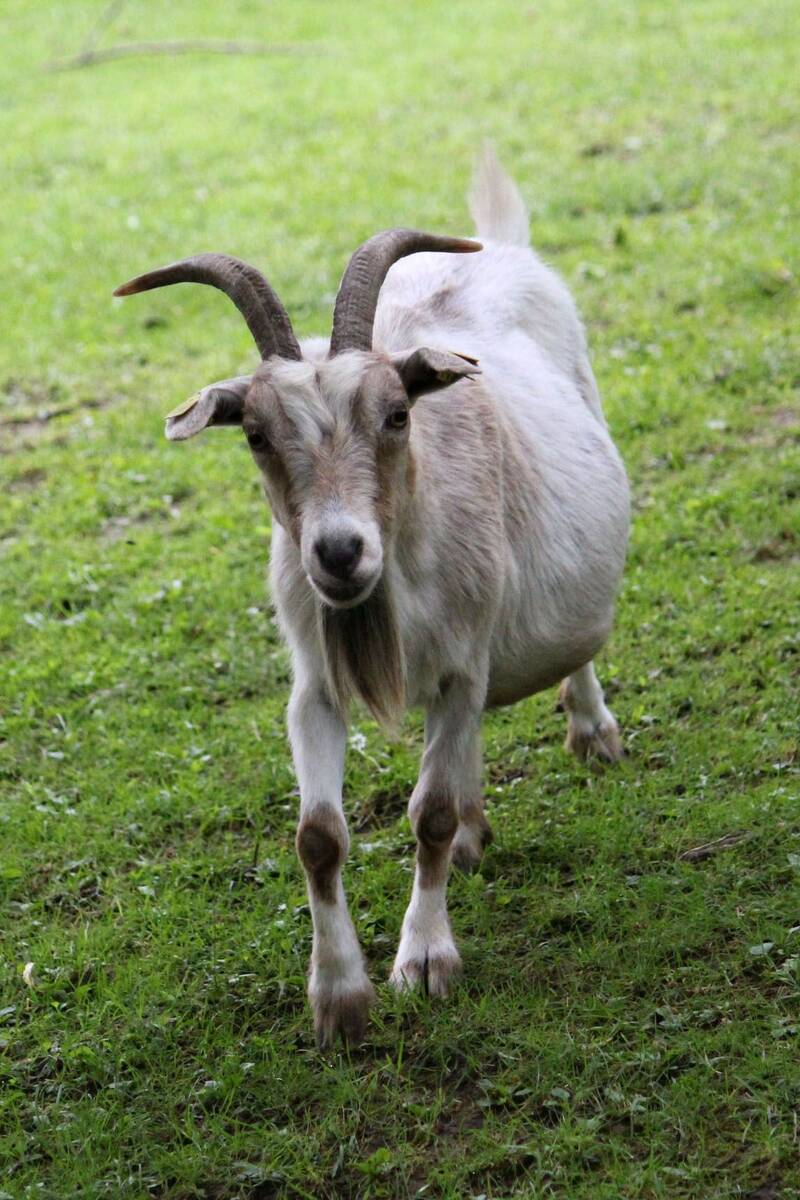
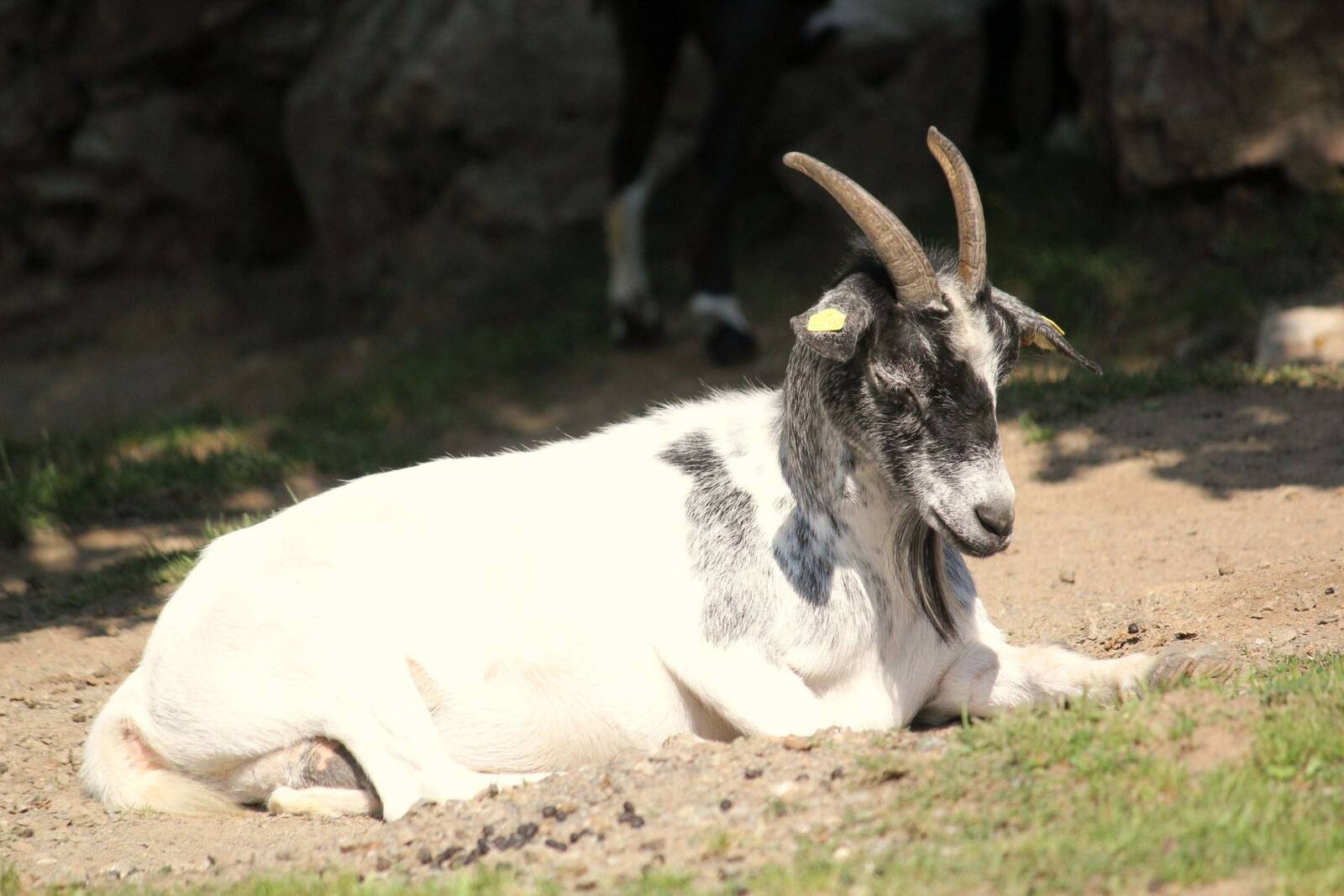
| Order | Pair-hoofed animals |
| Family | Horn-bearer |
| Distribution | Originally West Africa; today Africa, Europe, and North America |
| Habitat |   |
| Food |  |
| Activity |  |
| Weight | max. 30 kg |
| Size | Shoulder height up to 45 cm |
| Service life | 15 years |
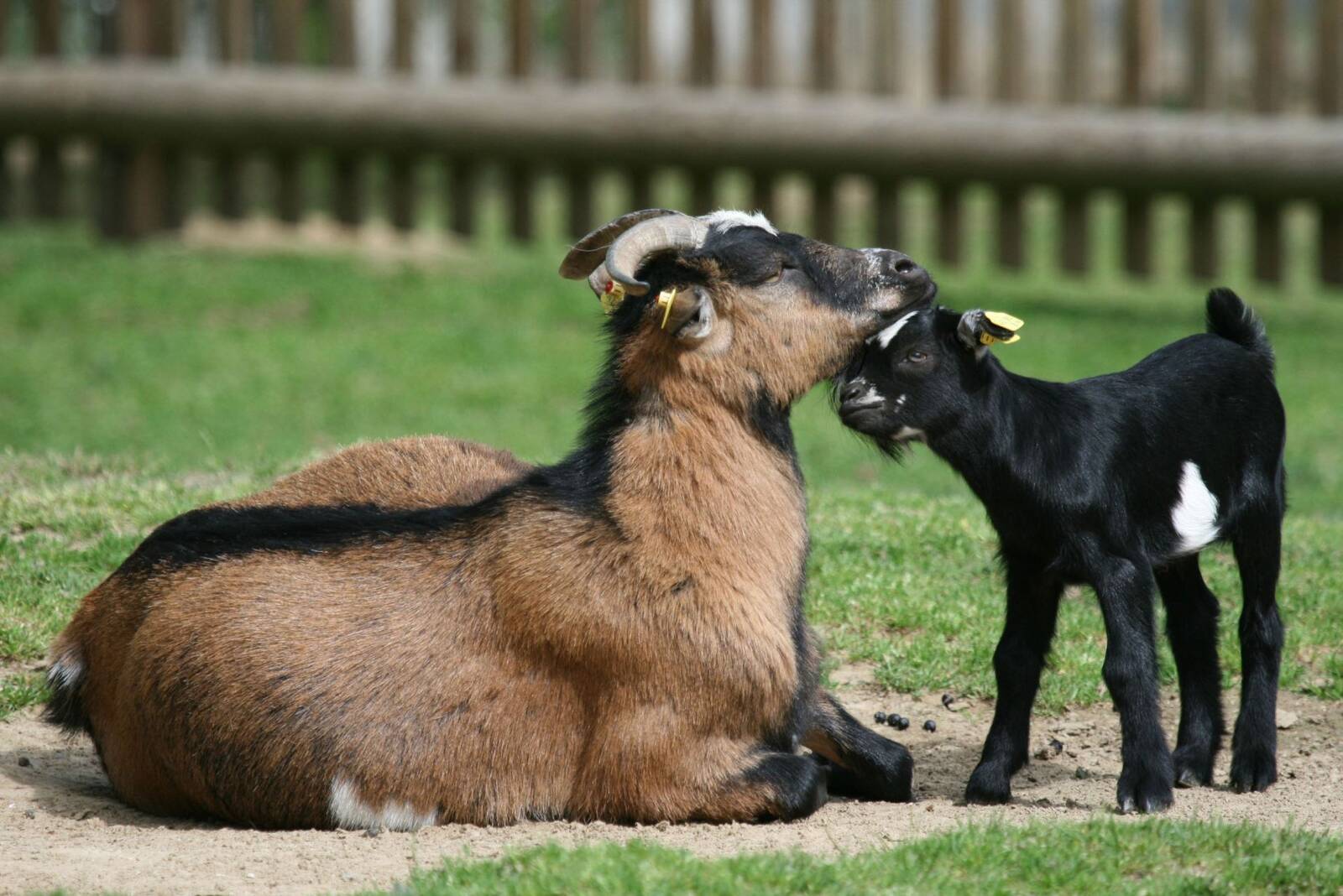
| Reproduction | Year-round. After a gestation period of 150–160 days, 1–2 fawns—rarely 3—are born. |
| Risk |  |
| Enemies | - |

Tierwelt Herberstein
Steirischer Landestiergarten GmbH
A 8223 Stubenberg am See
Buchberg 50
Phone: +43 3176 80777
Fax: +43 3176 80777 20
Email: info (at) tierwelt-herberstein. at