








Hungarian Fringed Sheep
Hungarian Sheep
Ovis aries strepsiceros hungaricus
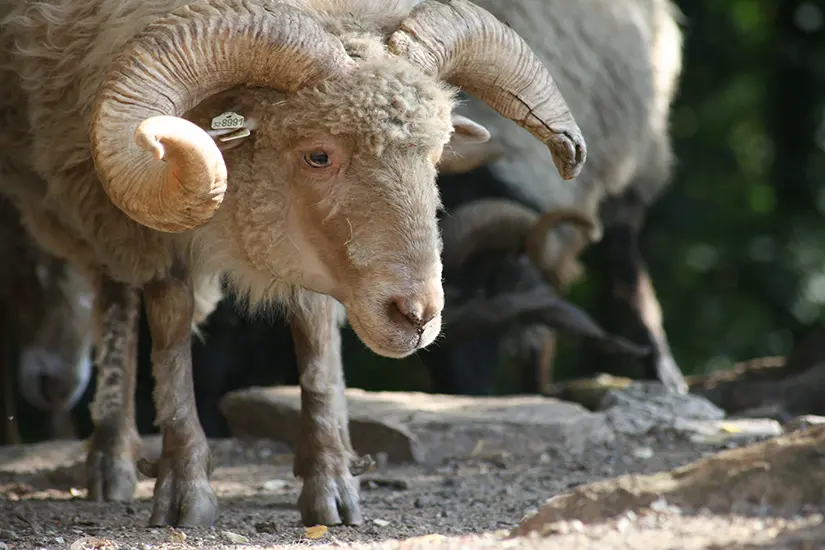
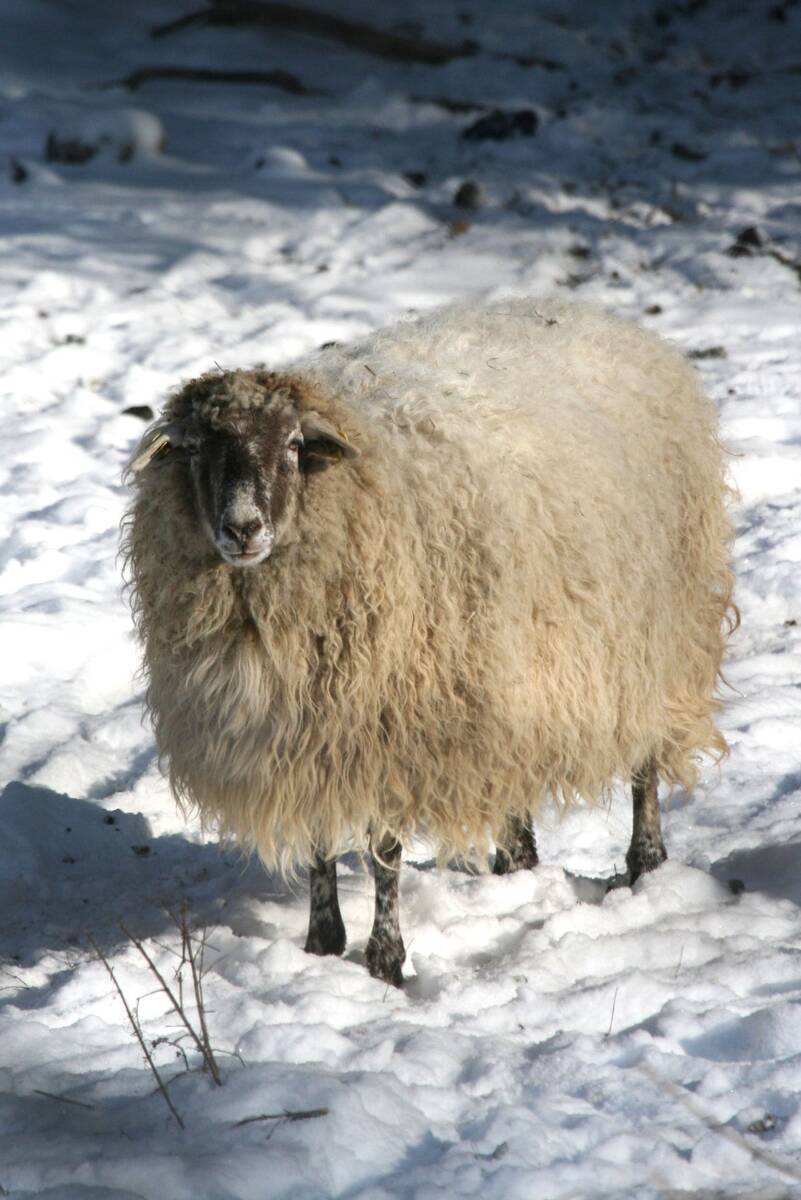
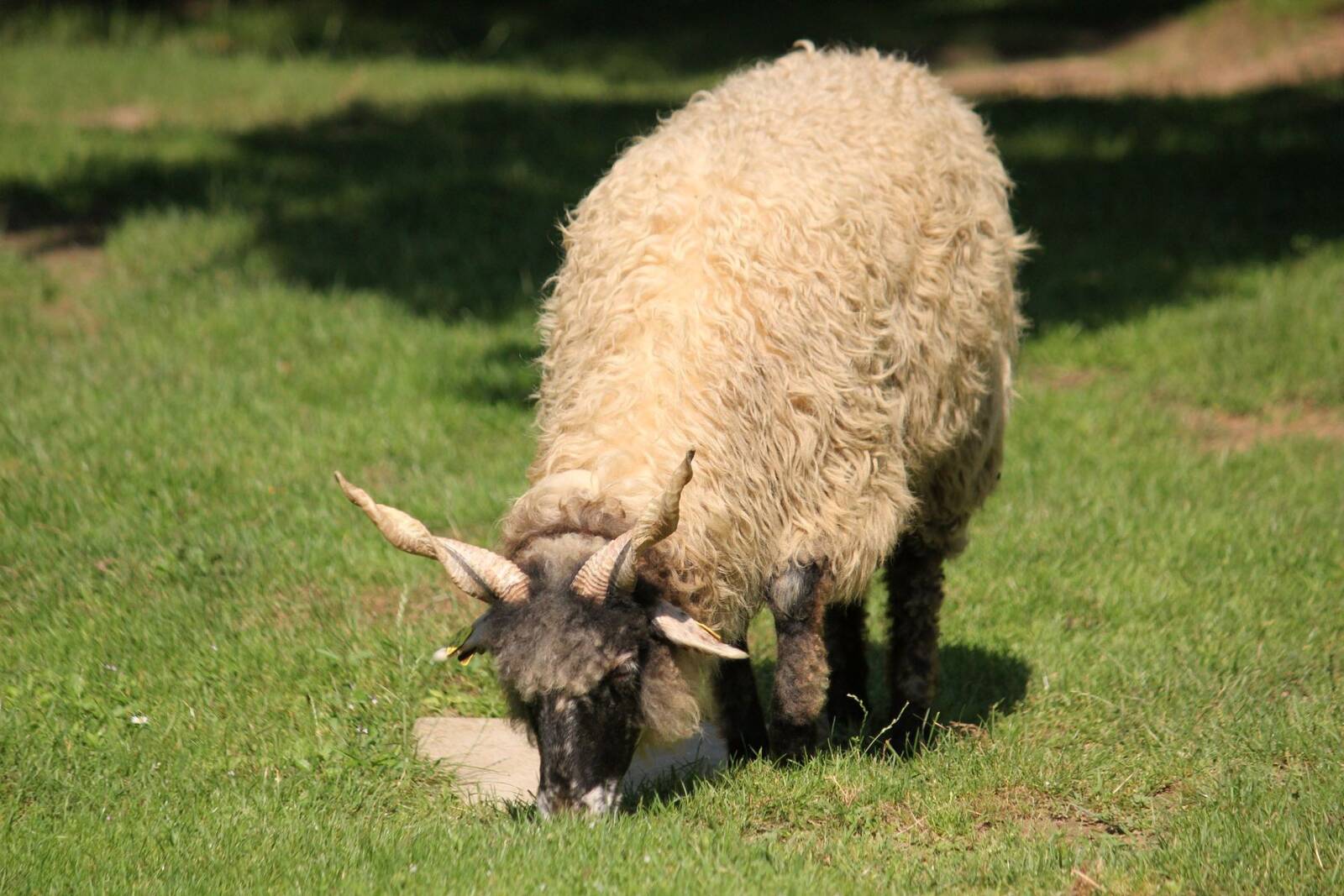
The Zackel sheep may have been brought by the Magyars when they migrated from the east to Hungary around 900 A.D. With its sweeping, twisted horns, it is one of the oldest sheep breeds in existence. Intensive farming of the Puszta caused its population to decline sharply, leaving the breed at risk of extinction today. The wool of Zackel sheep has no commercial value.
Did you know?
The Hungarian Zackel sheep is the last remaining breed with spiral horns.
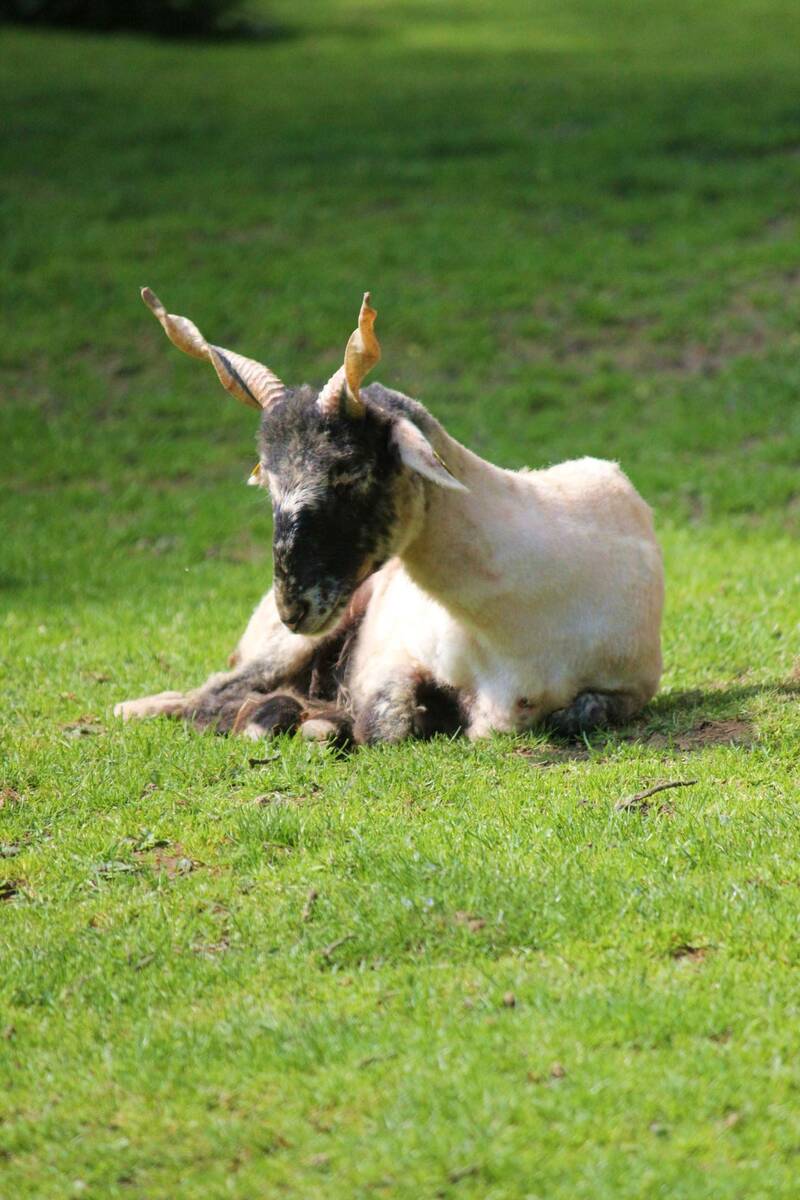

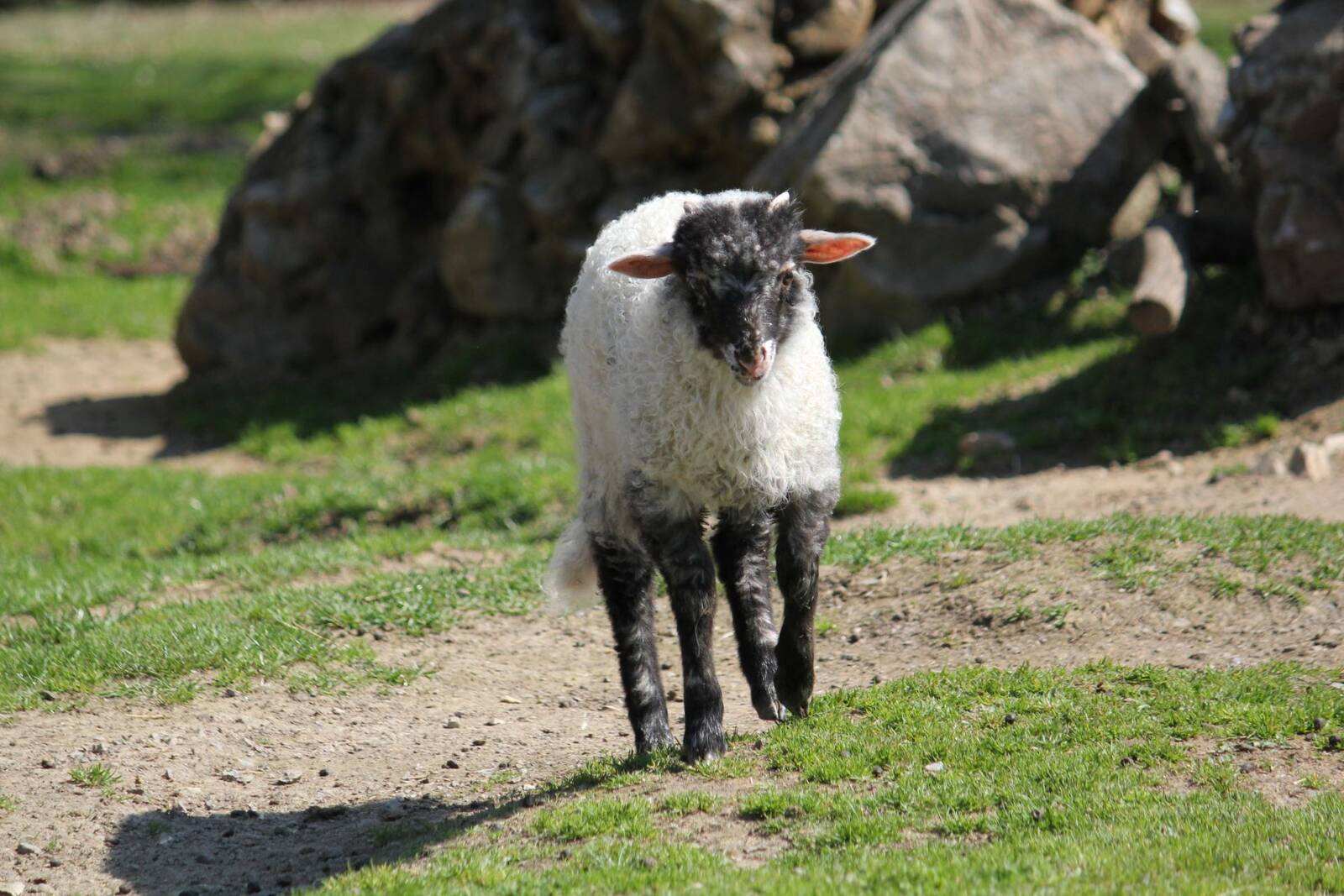
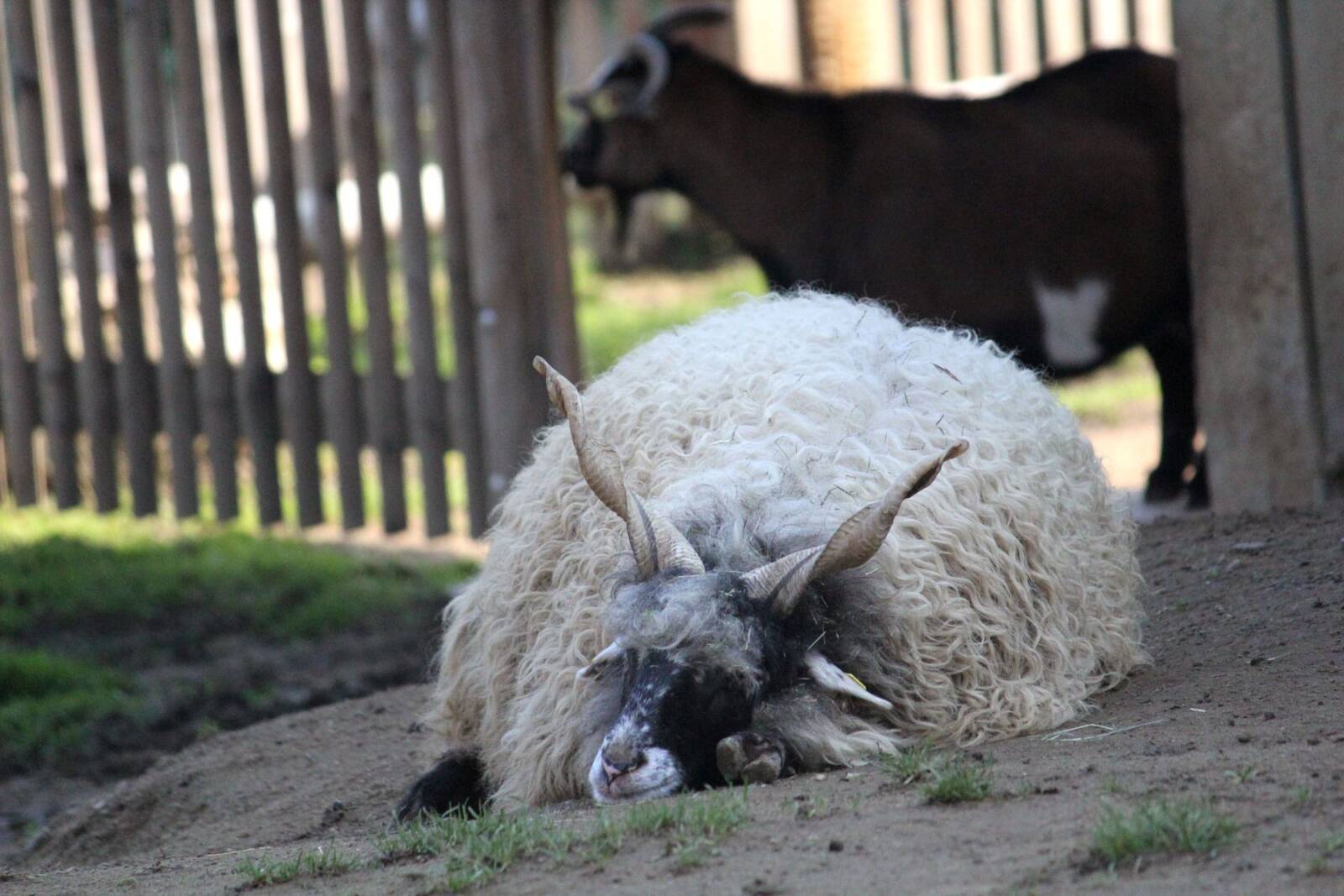
| Order | Pair-hoofed animals |
| Family | Horn-bearer |
| Distribution | Originally Hungary, Romania, and the Pannonian region |
| Habitat |   |
| Food |  |
| Activity |  |
| Weight | Men 55–75 kg, Women 35–45 kg |
| Size | Shoulder height (M): 70 cm, shoulder height (W): 66 cm |
| Service life | 15 years |
| Reproduction | The mating season for racka sheep occurs mainly in September. After a gestation period of 150–160 days, 1–2 lambs are born. |
| Risk |  |
| Enemies | Human |

Tierwelt Herberstein
Steirischer Landestiergarten GmbH
A 8223 Stubenberg am See
Buchberg 50
Phone: +43 3176 80777
Fax: +43 3176 80777 20
Email: info (at) tierwelt-herberstein. at