


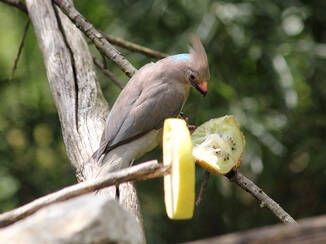





Red-billed Tit in the Tierwelt Herberstein
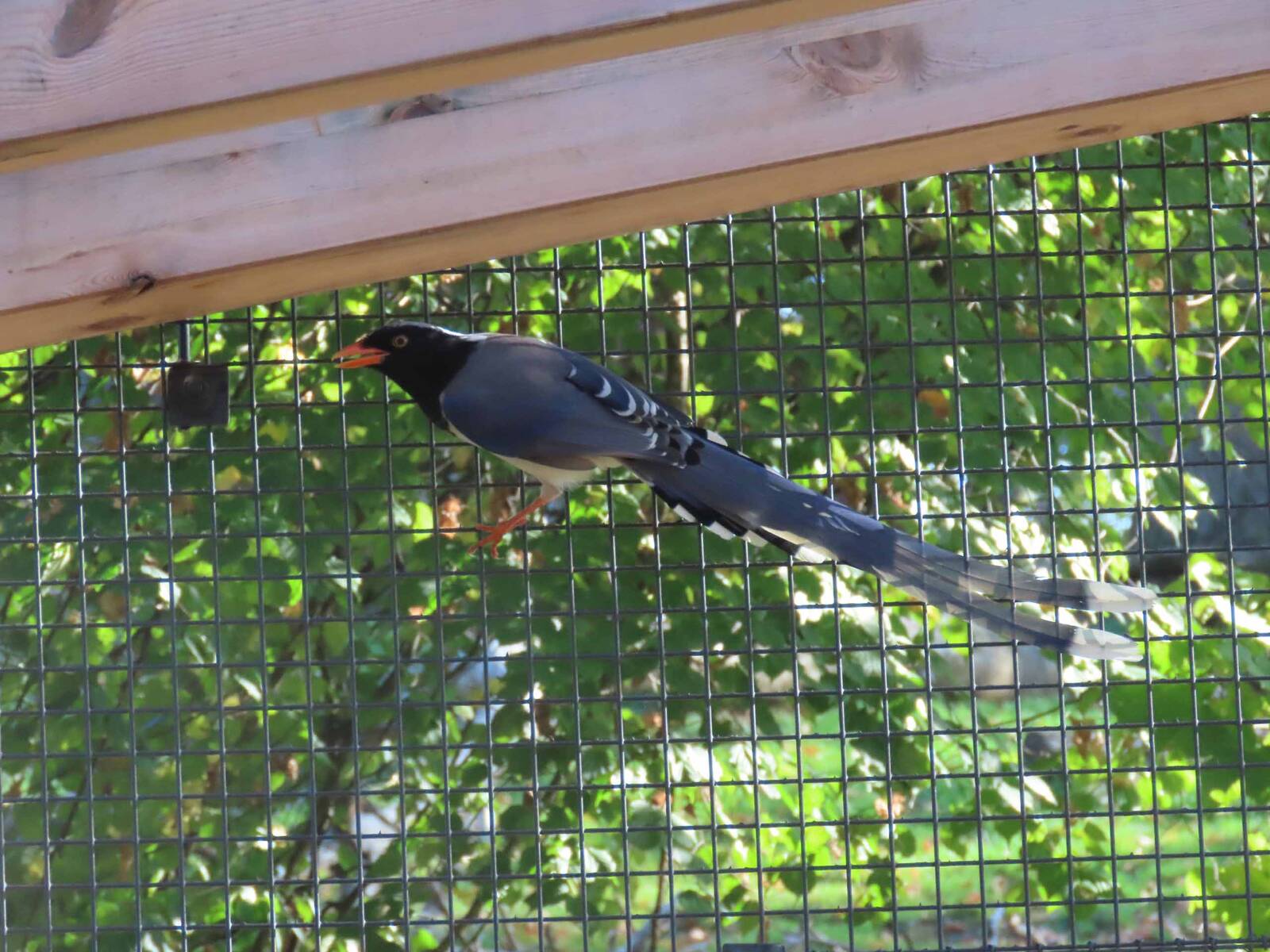
Red-billed Blue Magpie
Urocissa erythrorhyncha
Good to Know:
These birds have a wide repertoire of different sounds; characteristic of them are a flute-like tone and rattling noises, similar to those of our native magpies. However, they also enjoy imitating the calls and sounds of other birds.
During the breeding season, there is a division of labor: the female incubates the eggs, and during this time the male brings her food. After the chicks hatch, both parents care for their young. Even after the young birds leave the nest at about 4 weeks of age, their parents continue to care for them for some time.
Did you know?
The tail feathers of red-billed kittas can grow up to 45 cm long. This makes them the longest tail feathers of any corvid!
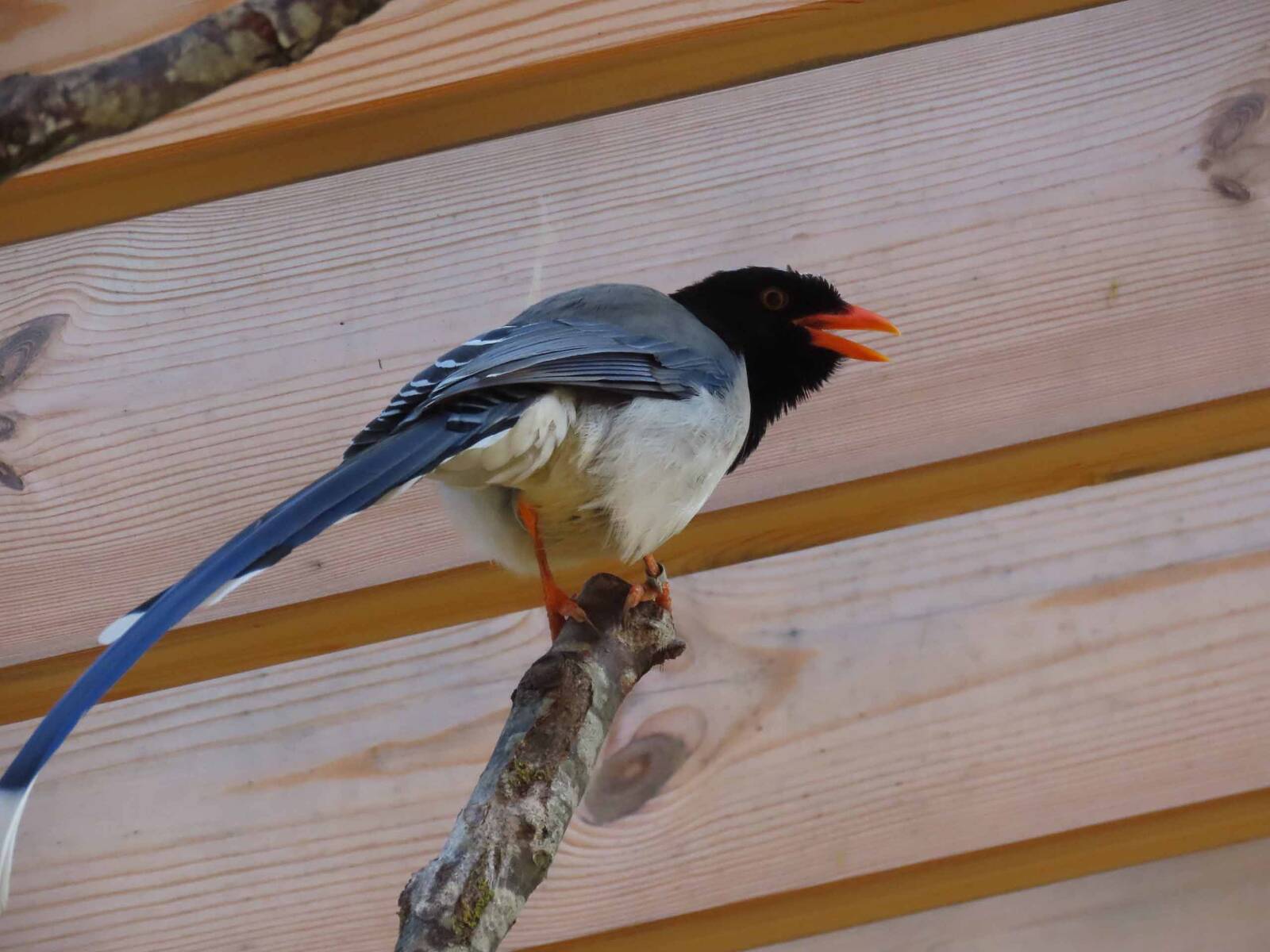
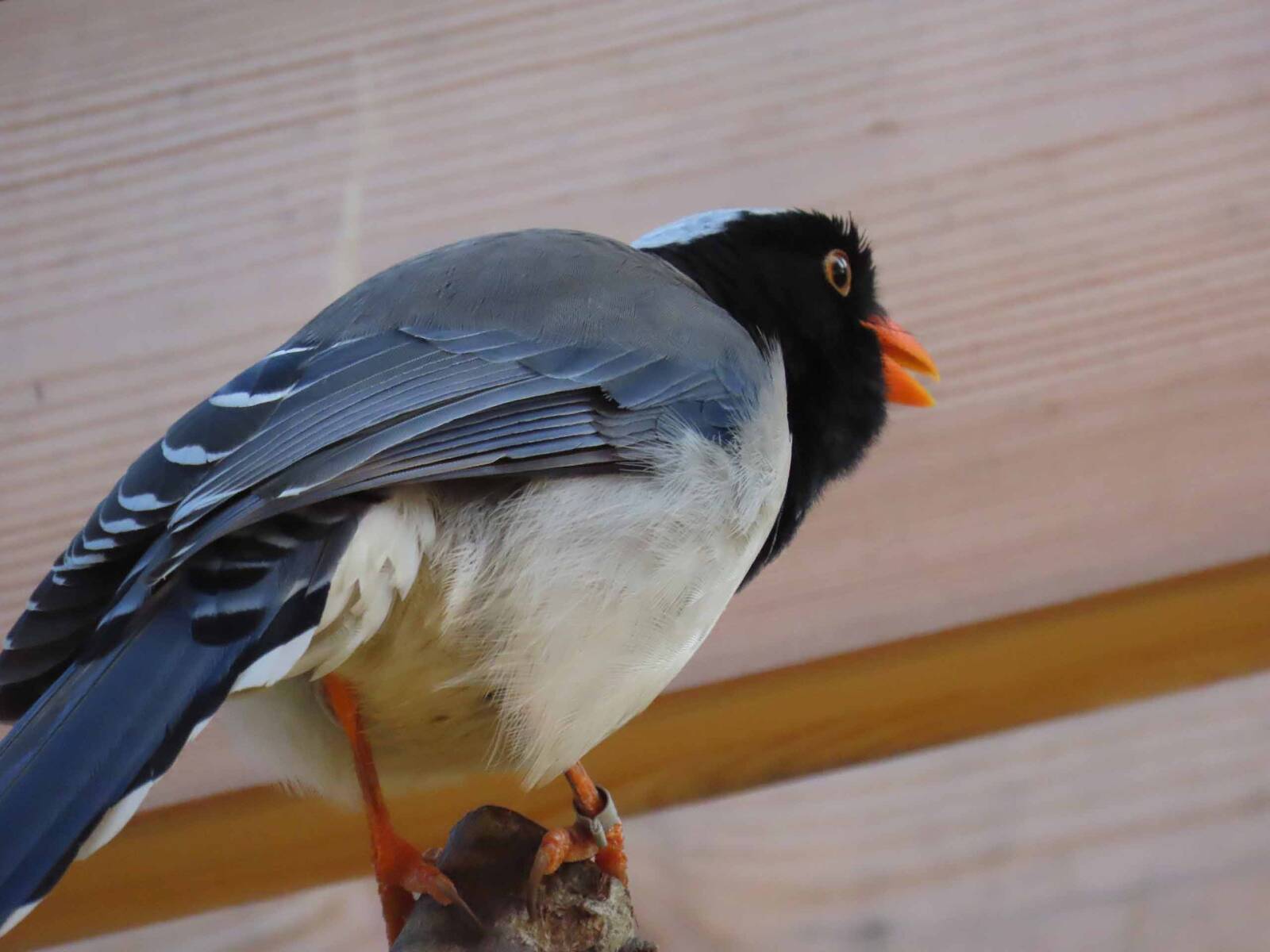

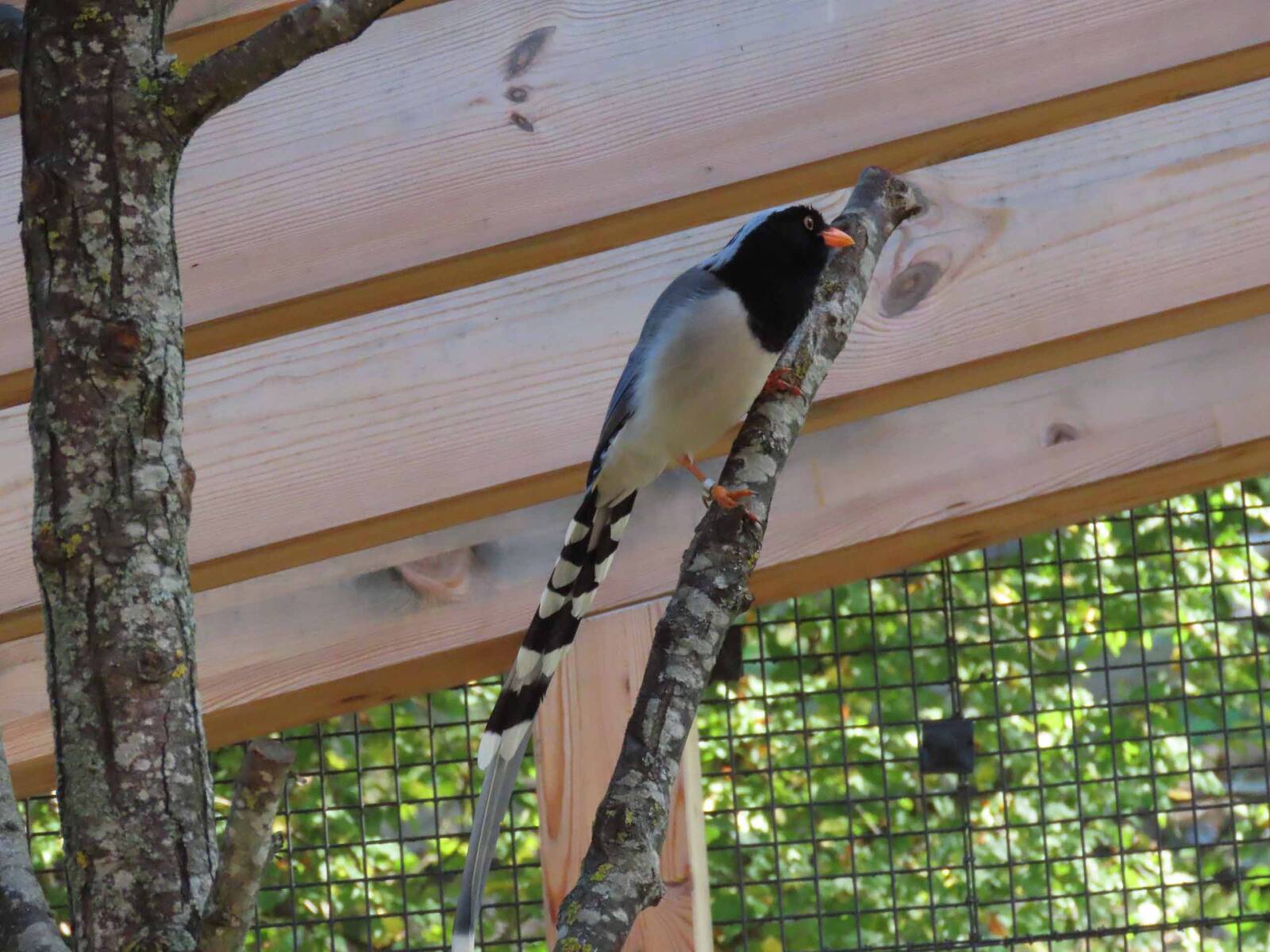

| Order | Passeriformes (Passerine Birds) |
| Family | Corvidae (crows) |
| Distribution | South and Southeast Asia |
| Habitat |  |
| Food |   |
| Activity |  |
| Weight | up to 230 grams |
| Size | Body length up to 60 cm |
| Service life | 15 years |
| Reproduction | The incubation period is 19 days. The female lays 3–6 eggs. |
| Risk |  |
| Enemies | unknown |

Tierwelt Herberstein
Steirischer Landestiergarten GmbH
A 8223 Stubenberg am See
Buchberg 50
Phone: +43 3176 80777
Fax: +43 3176 80777 20
Email: info (at) tierwelt-herberstein. at