







Eurasian lynx
Eurasian Lynx
Lynx lynx
Velvet Paws with Sharp Claws
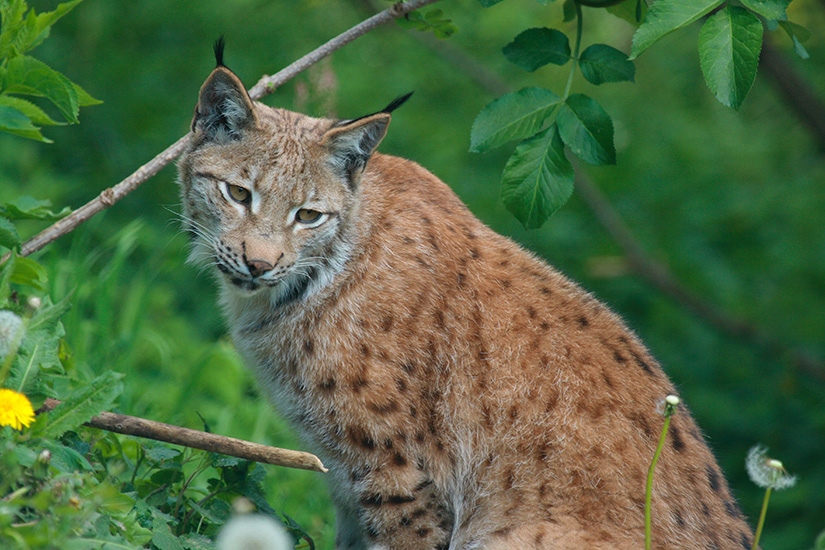
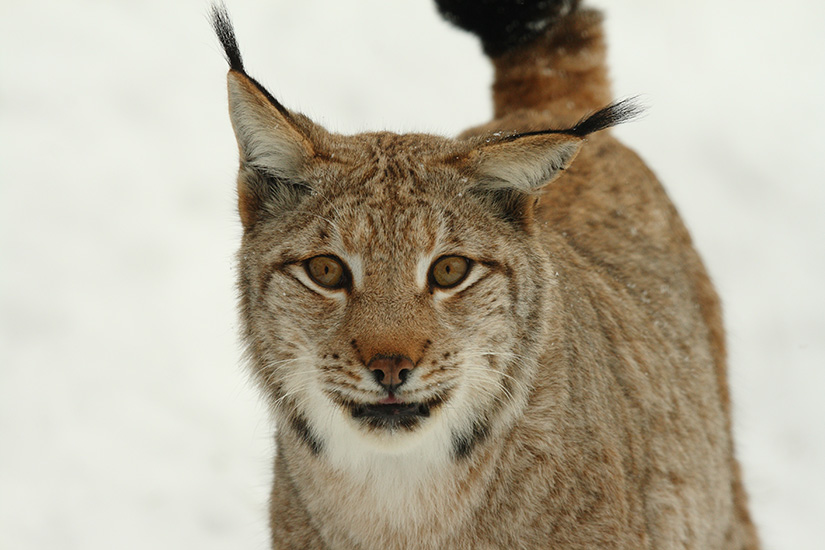
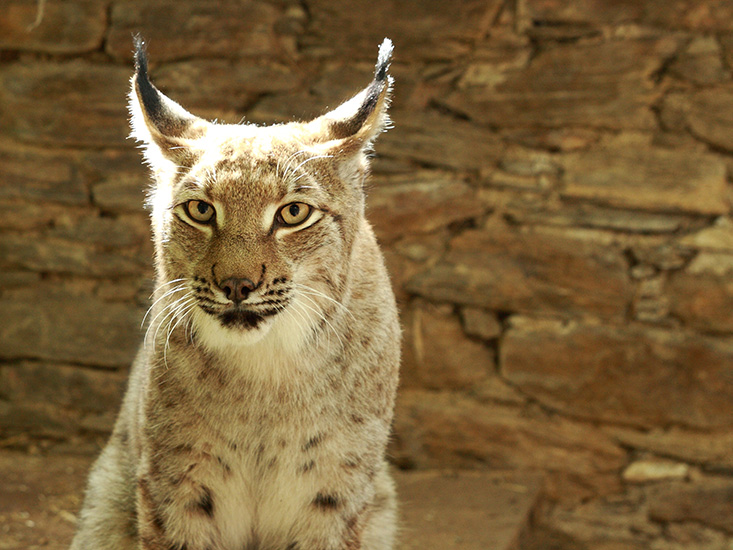
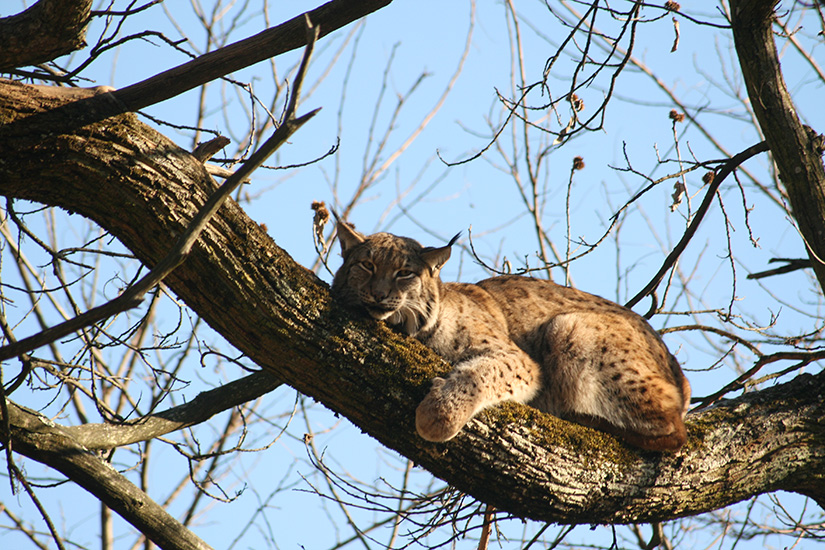
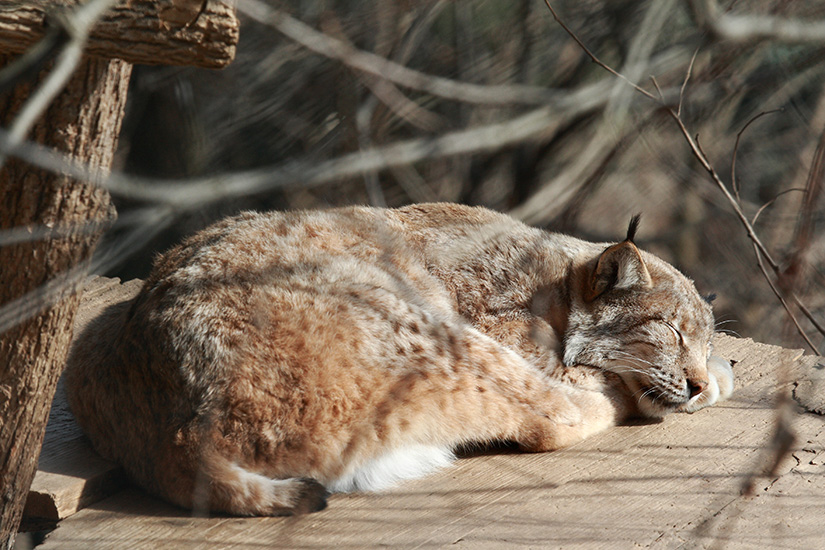
When longing, hoarse calls echo through the forests in February and March, it’s mating season for lynx. During this time, the scent marks that these small cats leave behind using their urine are extremely attractive to the opposite sex. But this isn’t always the case, because outside of this period, the scent marks demarcate territories and keep neighbors at a distance.
The lynx is a stealth hunter that hides in the thicket as long as possible, creeping forward on its silent velvet paws, only to strike with a single leap at the right moment. This is when its claws come into play; it extends them at lightning speed with the help of its long flexor tendons. Once it has seized its prey, it kills it with a bite to the throat. When it no longer needs its claws, they are retracted by elastic ligaments. This protects the claws, keeping them sharp at all times, and they are not visible in its footprints.
Did you know?
The lynx had been extinct in Austria for about 150 years. Since some began migrating back from Slovakia in the 1960s, efforts have been made to facilitate the return of these tufted-eared animals through further reintroductions into the wild.
| Order | Predators |
| Family | Cats |
| Distribution | Western Europe to Siberia and the Tibetan Plateau in the south |
| Habitat |    |
| Food |  |
| Activity |   |
| Weight | 14–38 kg |
| Size | Body length 80–130 cm, shoulder height 50–70 cm |
| Service life | 18 years |
| Reproduction | In February and March, lynxes mate and, after a gestation period of about 2.5 months, give birth to 1–4 cubs, which are nursed for approximately 21 weeks and remain with their mother until the next mating season. |
| Risk |  |
| Enemies | Wolf, Tiger, Leopard, Human |
Corporate Sponsorships


Tierwelt Herberstein
Steirischer Landestiergarten GmbH
A 8223 Stubenberg am See
Buchberg 50
Phone: +43 3176 80777
Fax: +43 3176 80777 20
Email: info (at) tierwelt-herberstein. at