






Boa constrictor
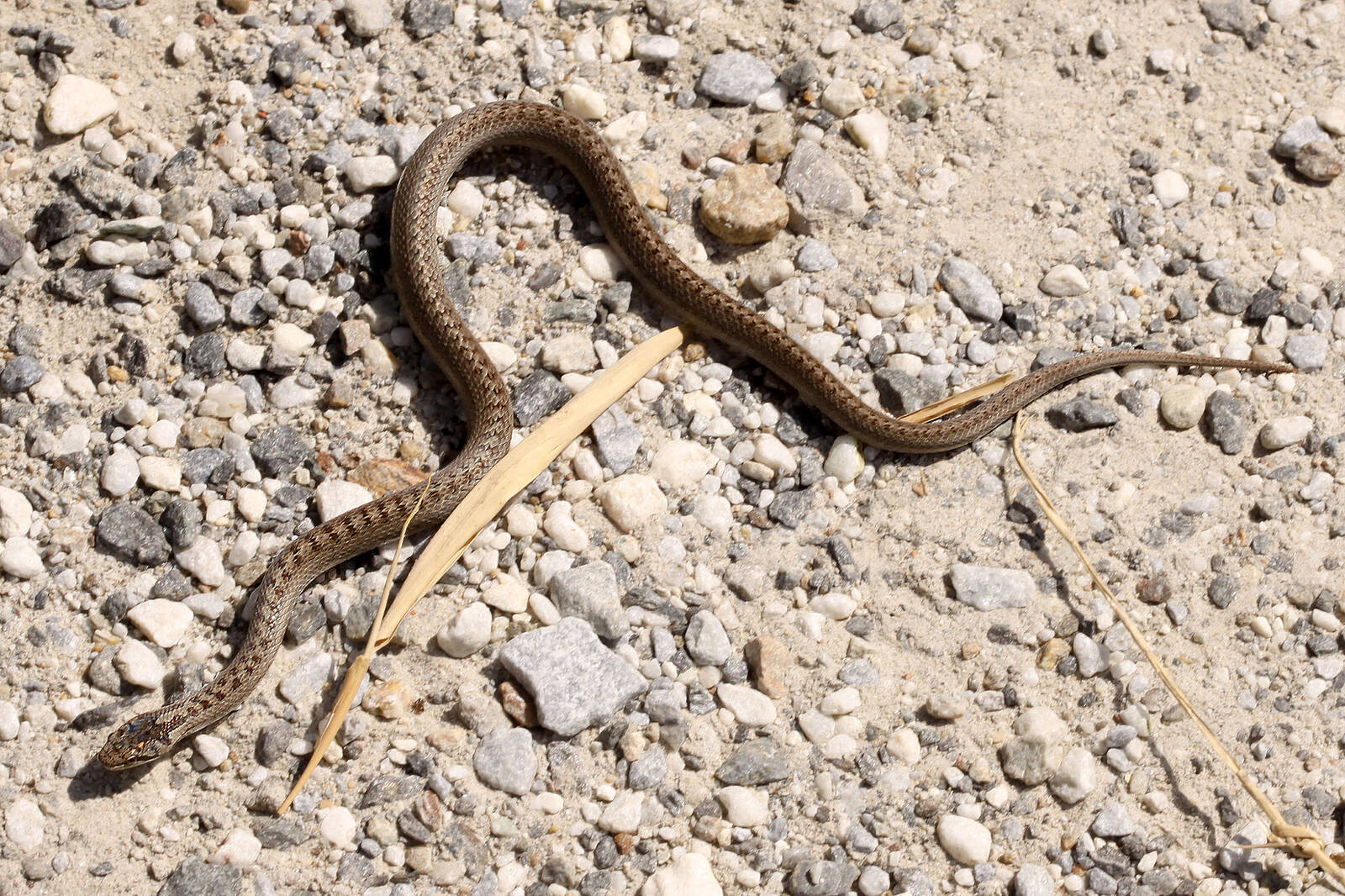
Coronella austriaca
It wraps itself around its prey
Its German name comes from the fact that it wraps itself around larger prey in a flash and suffocates it. Its Latin name refers to the characteristic "crown"—a heart- or horseshoe-shaped marking on its head—as well as to the fact that this widespread species was first described in Austria.
Did you know?
The smooth snake is non-venomous and completely harmless to humans. Eastern and Western Styria are free of venomous snakes. The venomous common viper is found only in the alpine regions of Upper Styria. Because of the spotted pattern on its back, the smooth snake is often mistaken for a common viper.
| Order | Snakes |
| Family | Vipers |
| Distribution | Europe to Western Asia |
| Habitat |  |
| Food | Specialized reptile hunter: lizards and their nests, slow worms, as well as small mammals, amphibians, and large insects |
| Activity |  |
| Weight | 50–80 (100) g |
| Size | 60–80 cm |
| Service life | 20 years |
| Reproduction | A ritualized courtship display involving flicking of the tongue and nodding of the head. Young are born in August or September after a gestation period of 4 to 5 months. Five to 15 young hatch from the eggshell immediately after birth. |
| Risk |  |
| Enemies | Hedgehogs, stone martens, polecats, birds of prey |
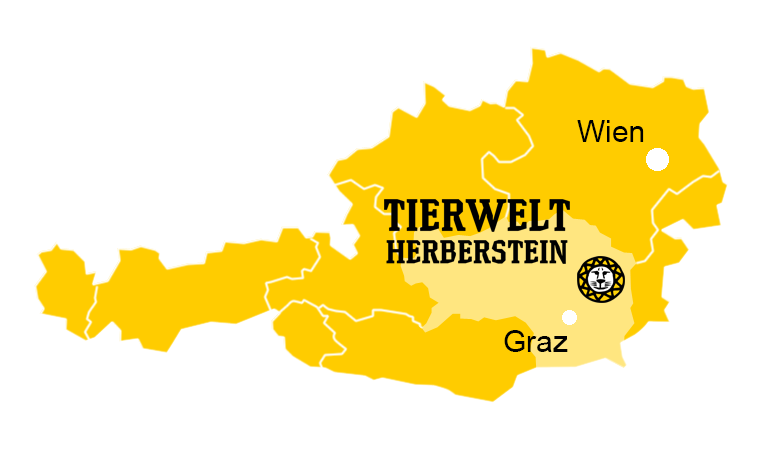
Tierwelt Herberstein
Steirischer Landestiergarten GmbH
A 8223 Stubenberg am See
Buchberg 50
Phone: +43 3176 80777
Fax: +43 3176 80777 20
Email: info (at) tierwelt-herberstein. at