






Collared Flycatcher
Collared Flycatcher
Ficedula albicollis
Black-and-white forest and park dwellers
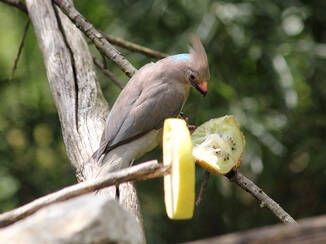
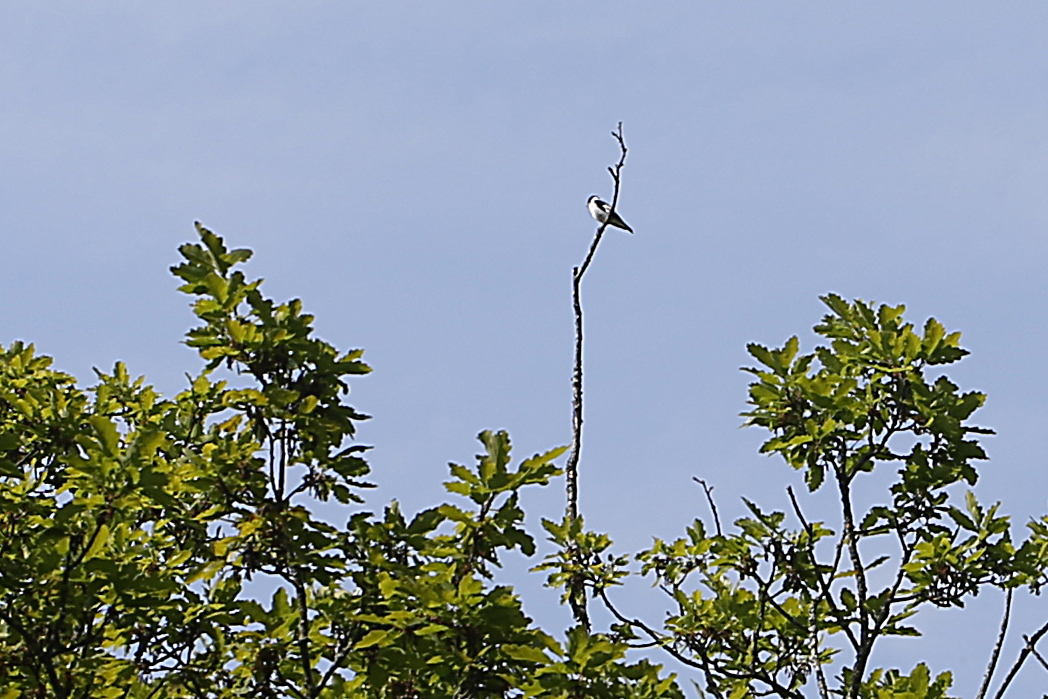
The Collared Flycatcher has a striking black-and-white coloration. The upperparts are predominantly black, while the underparts are entirely white. It gets its name from the white collar that breaks up the black coloring on the nape of the neck. In females and juveniles, the black is replaced by a light brown coloration.
Did you know?
The collared flycatcher is a model species for research on ecology and genetics. It was also one of the first bird species to have its genome fully sequenced.
| Order | Passerines |
| Family | Flycatcher |
| Distribution | Central and Eastern Europe, Western Asia; overwinters in southern Africa |
| Habitat |   |
| Food | Insects, Spiders |
| Activity | Starting in April in the breeding grounds |
| Weight | up to 19 g |
| Size | 12–13.5 cm |
| Service life | up to 8 years old |
| Reproduction | Male courtship ritual involving a lowered head and clattering sounds. Niche and cave nester. The incubation period averages 13 days. The young are fledged after another 2 weeks. |
| Risk |  |
| Enemies | Sparrowhawks, Falcons, Martens |
Tierwelt Herberstein
Steirischer Landestiergarten GmbH
A 8223 Stubenberg am See
Buchberg 50
Phone: +43 3176 80777
Fax: +43 3176 80777 20
Email: info (at) tierwelt-herberstein. at