





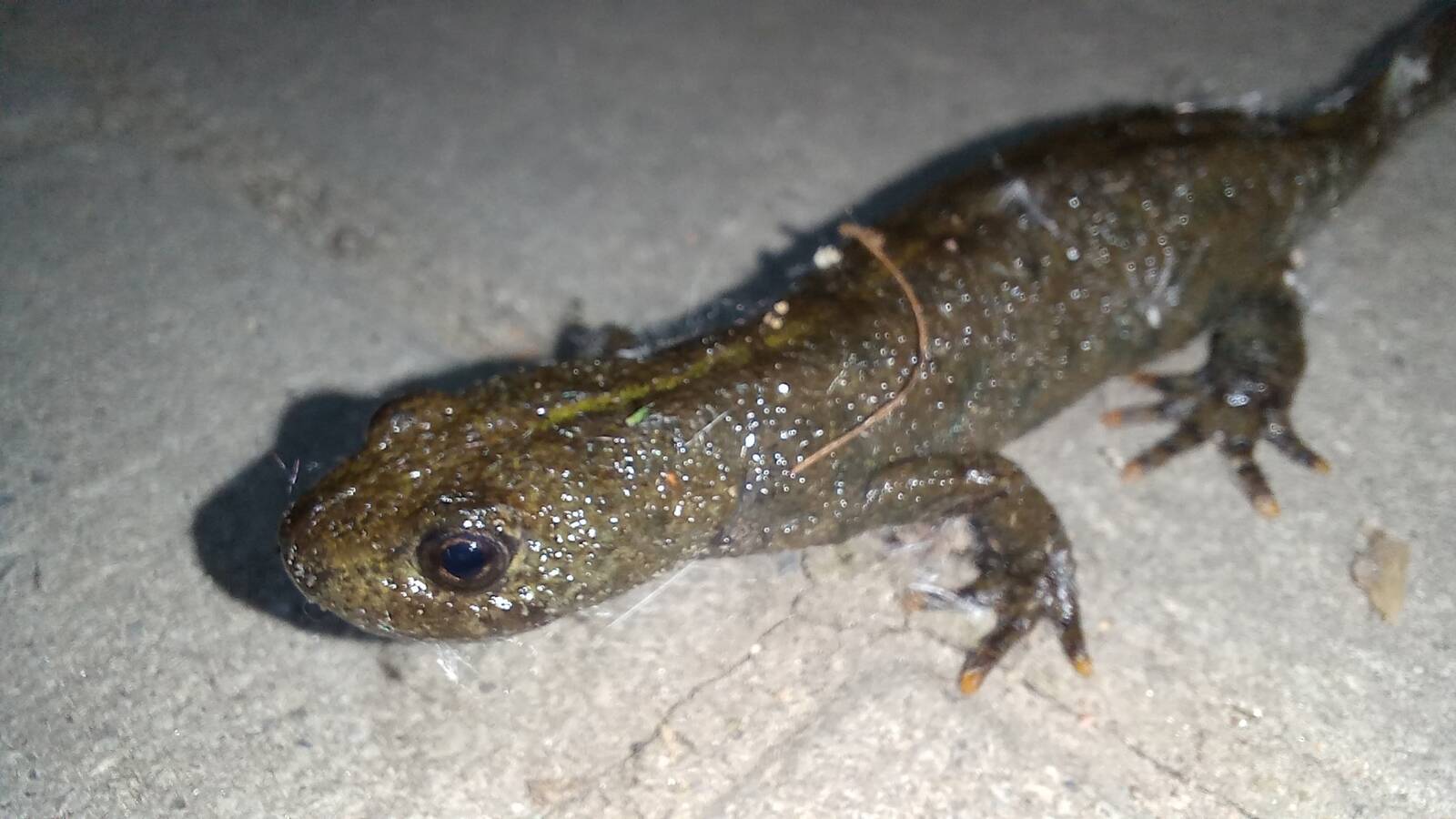
Alpine crested newt
Triturus carnifex
Little Water Dragons
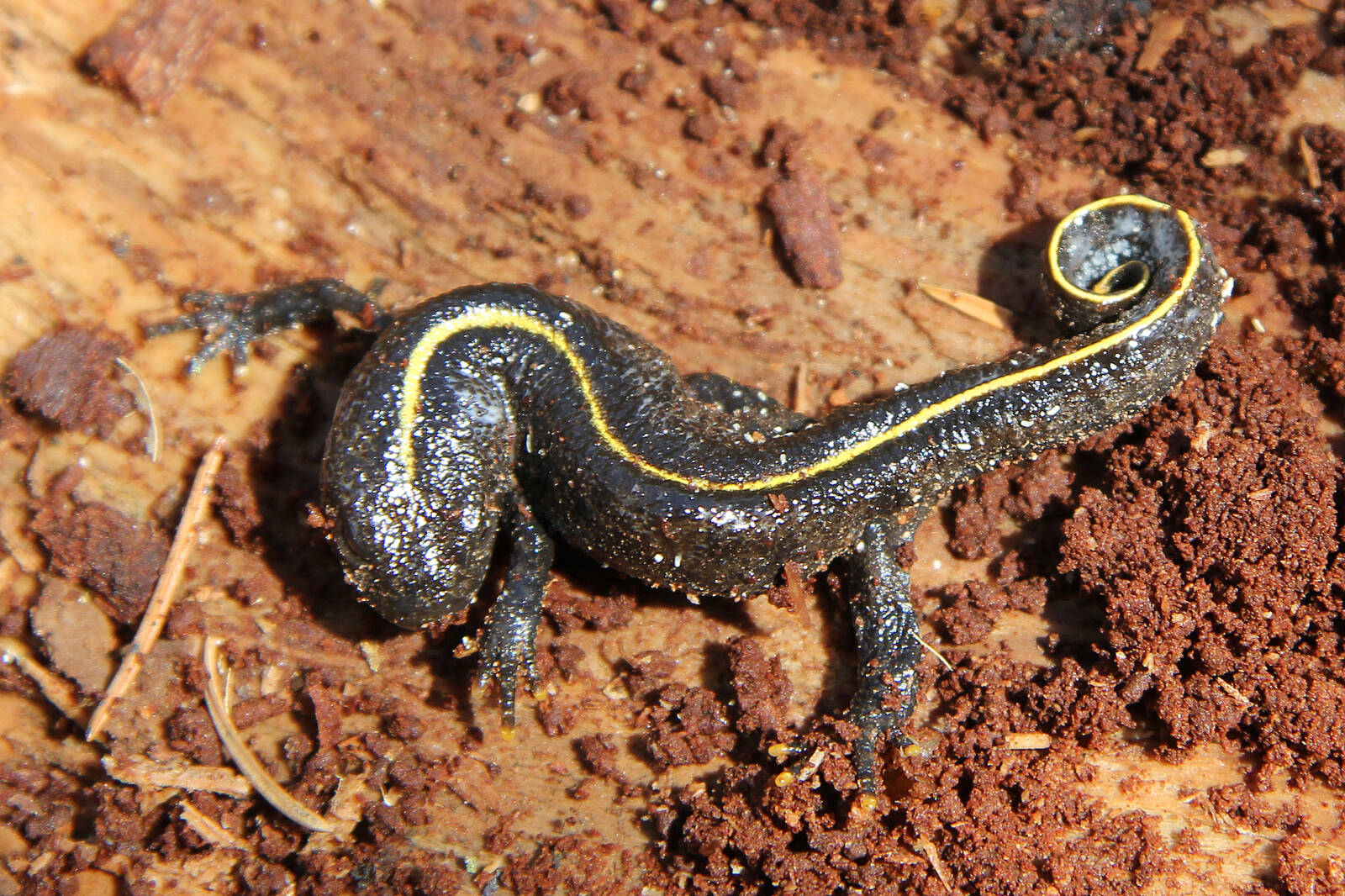
The dorsal crest of the males during the mating season justifies their nickname, “water dragons.” In Austria, there are three species of crested newts that are difficult to distinguish from one another, and their ranges partially overlap. Hybridization also occurs in these overlapping areas.
Tip: You can observe the Lisztaffen and polar wolves at the ponds.
Did you know?
When in danger, crested newts assume a defensive posture. They curl their tails, arch their bodies to the side, and expose their bright orange bellies.
| Order | Tailed amphibians |
| Family | True Salamanders |
| Distribution | Italy, Austria (south of the Danube and in the Alpine region), Slovenia, Croatia |
| Habitat |   |
| Food | Insects, small crustaceans, leeches, tadpoles, snails, earthworms |
| Activity |   |
| Weight | up to 12 g |
| Size | 12 (max. 20) cm |
| Service life | up to age 17 |
| Reproduction | During the mating season, males develop a dorsal crest and occupy courtship sites. Over a period of 1–3 months, the females lay 200 eggs, placing each one individually on a leaf of an aquatic plant. Larval development takes 2–4 months. The young newts emerge onto land in September. |
| Risk |  |
| Enemies | Fish, snakes, storks, martens, foxes |
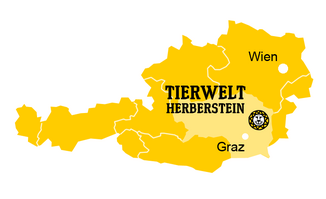
Tierwelt Herberstein
Steirischer Landestiergarten GmbH
A 8223 Stubenberg am See
Buchberg 50
Phone: +43 3176 80777
Fax: +43 3176 80777 20
Email: info (at) tierwelt-herberstein. at