






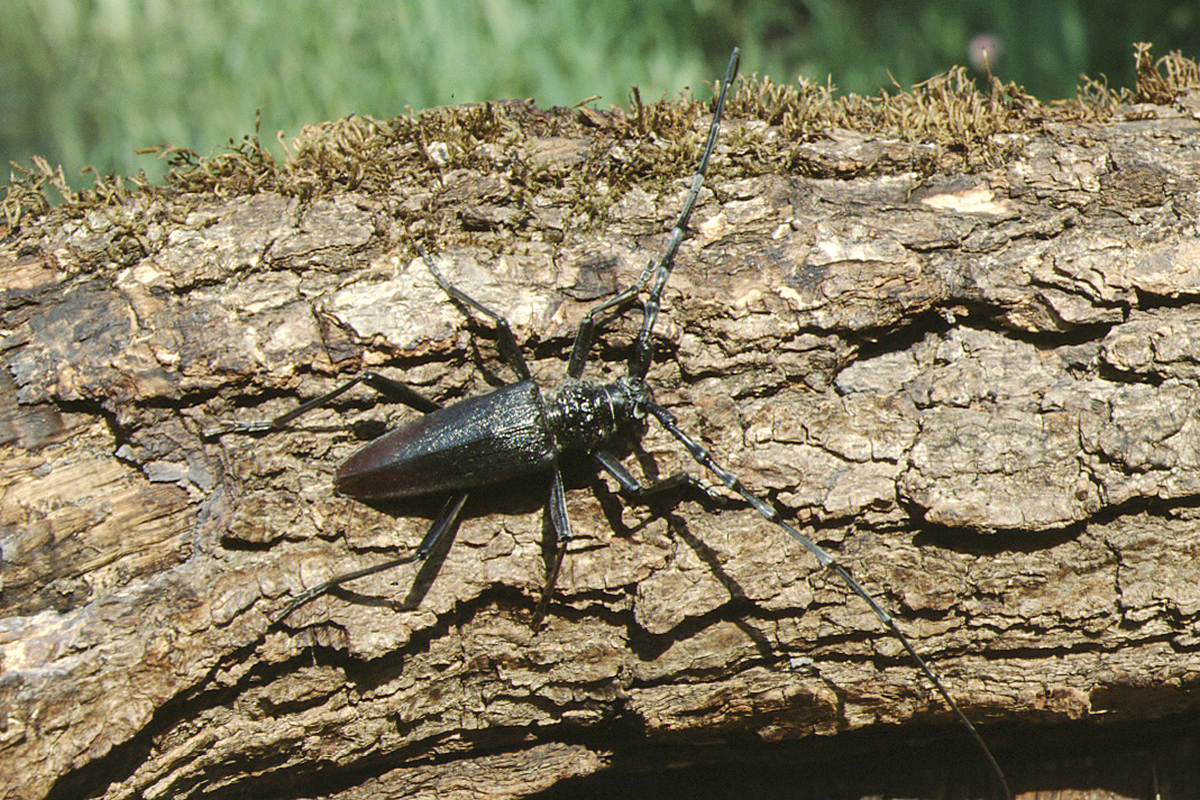
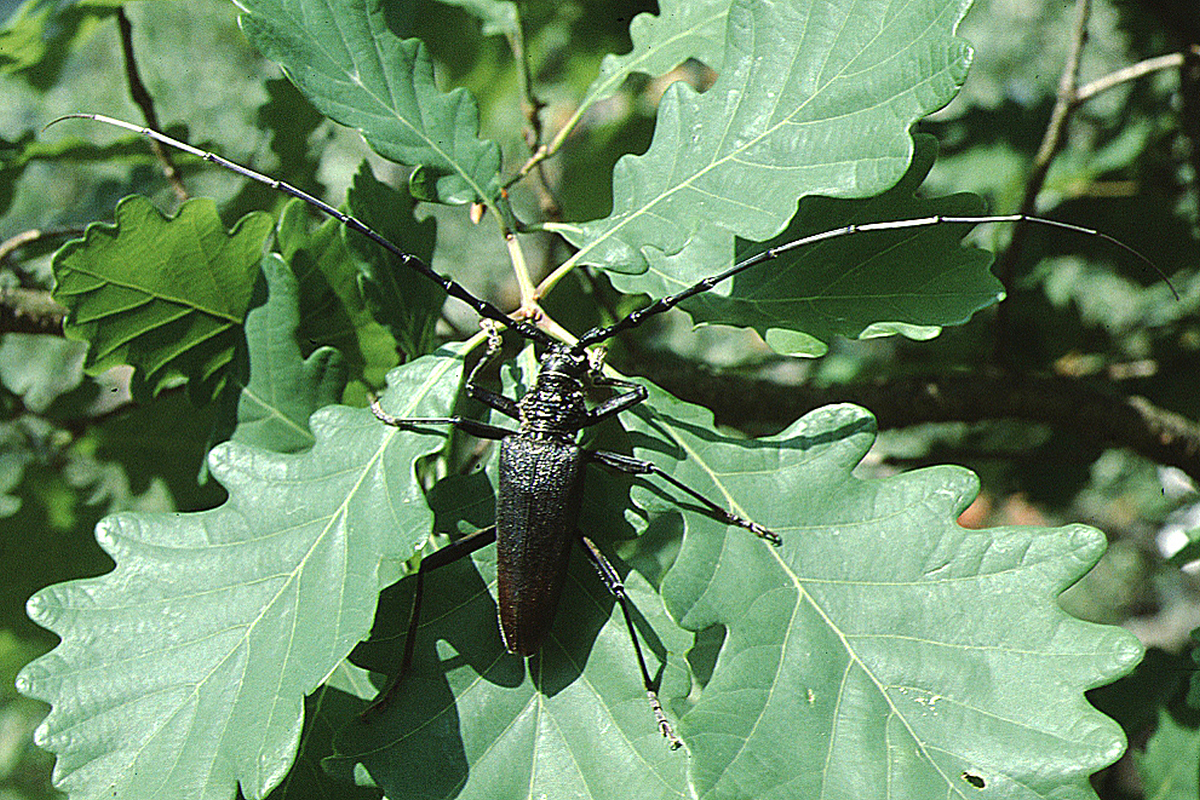
Great Oak Longhorn Beetle
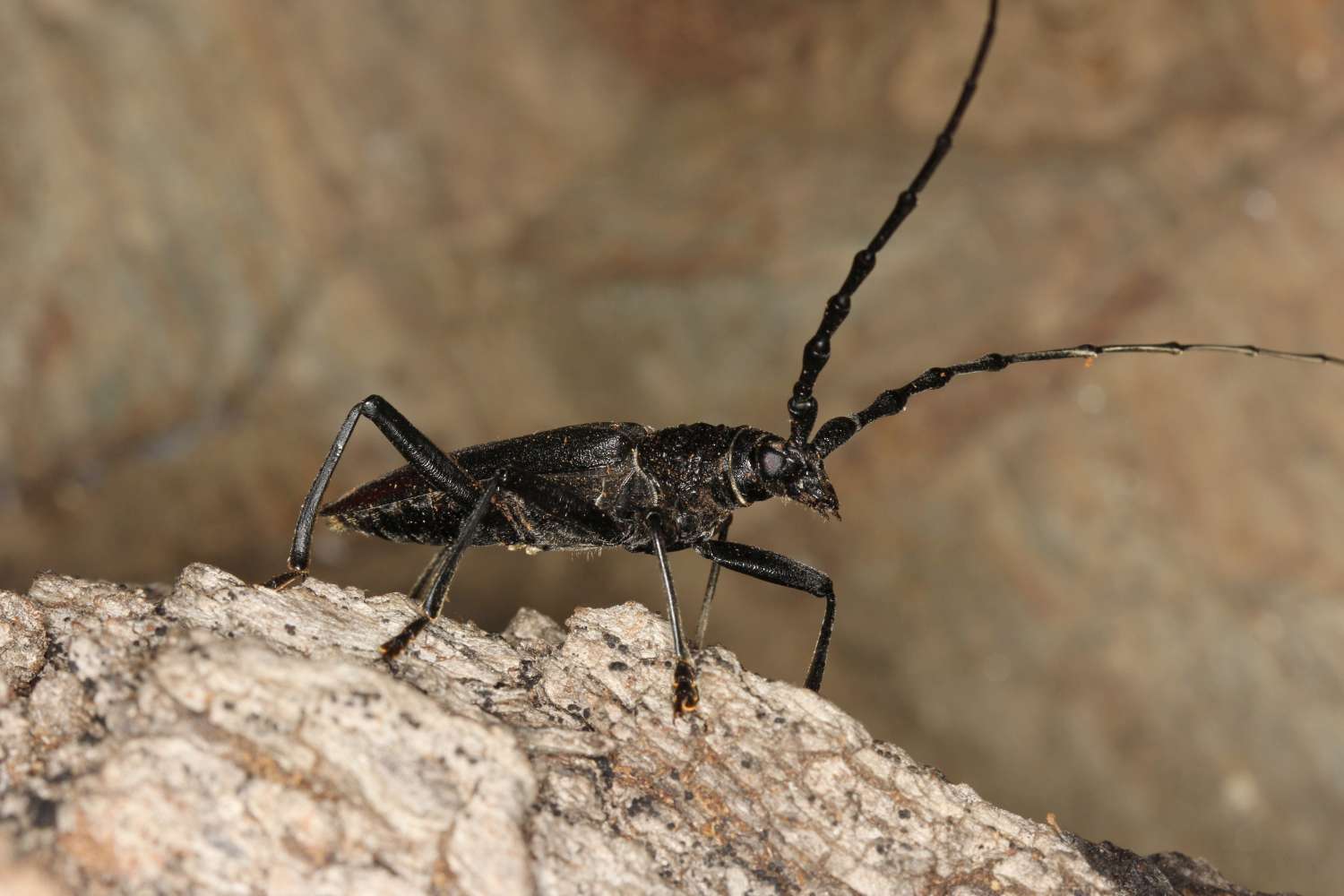
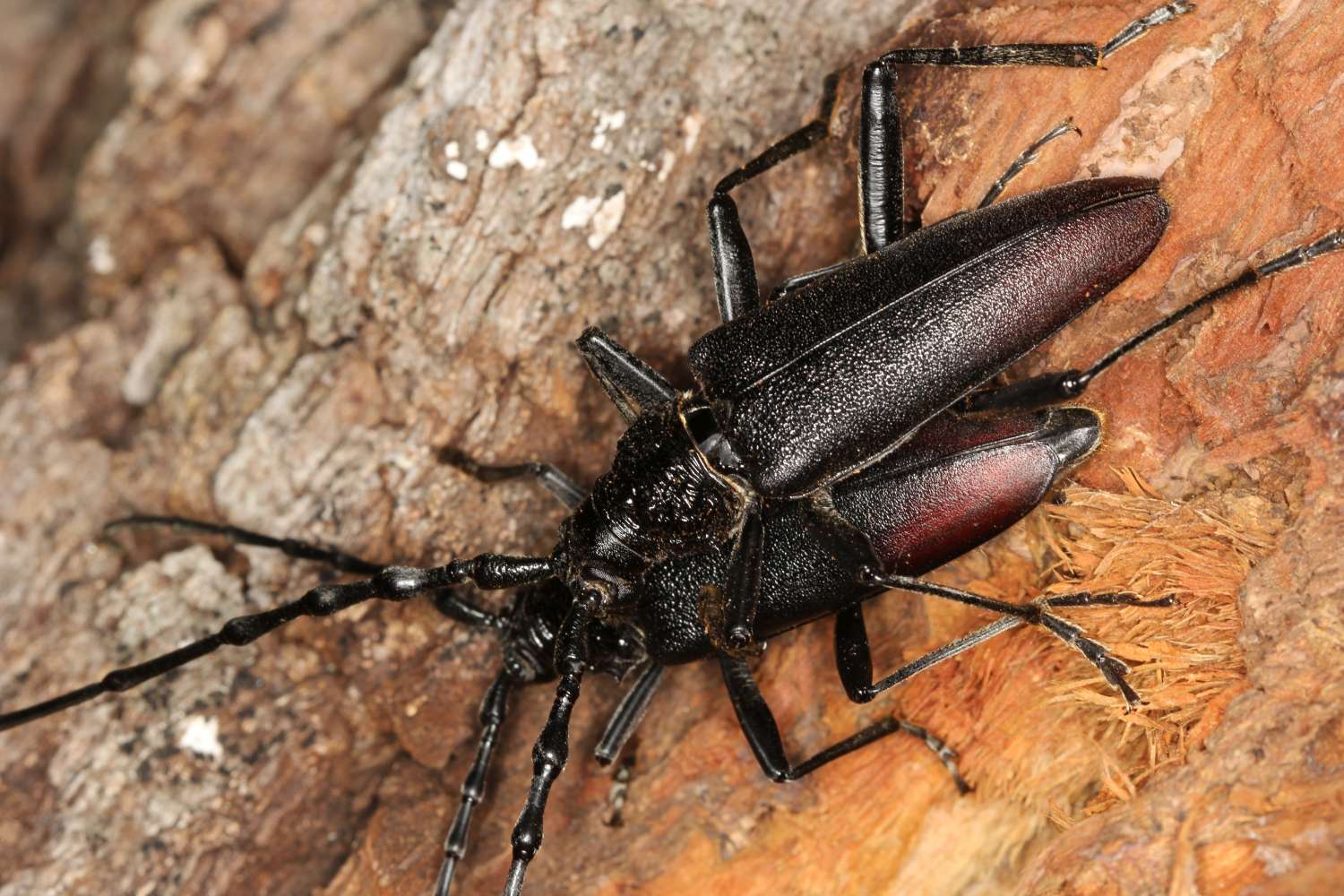
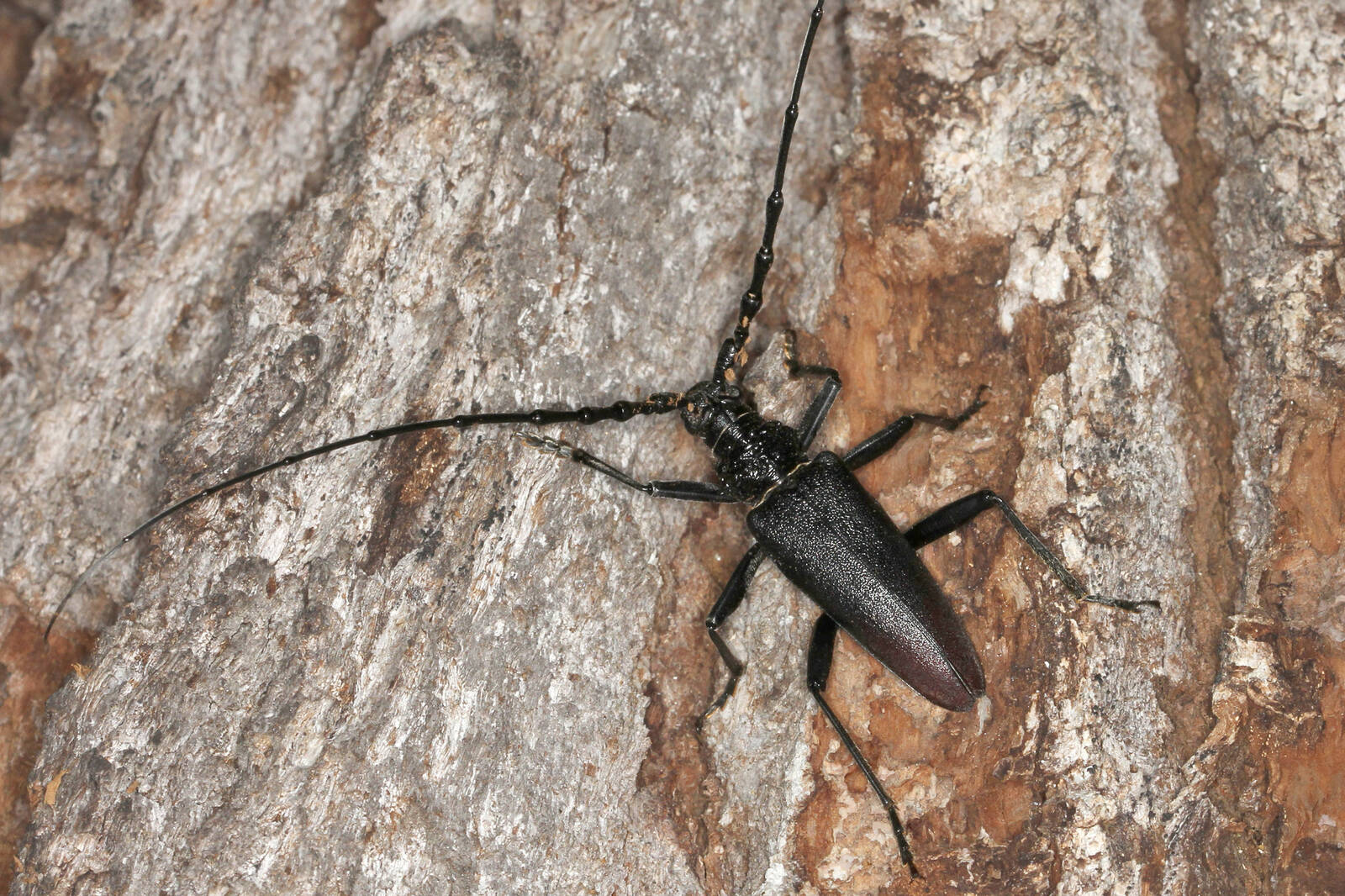
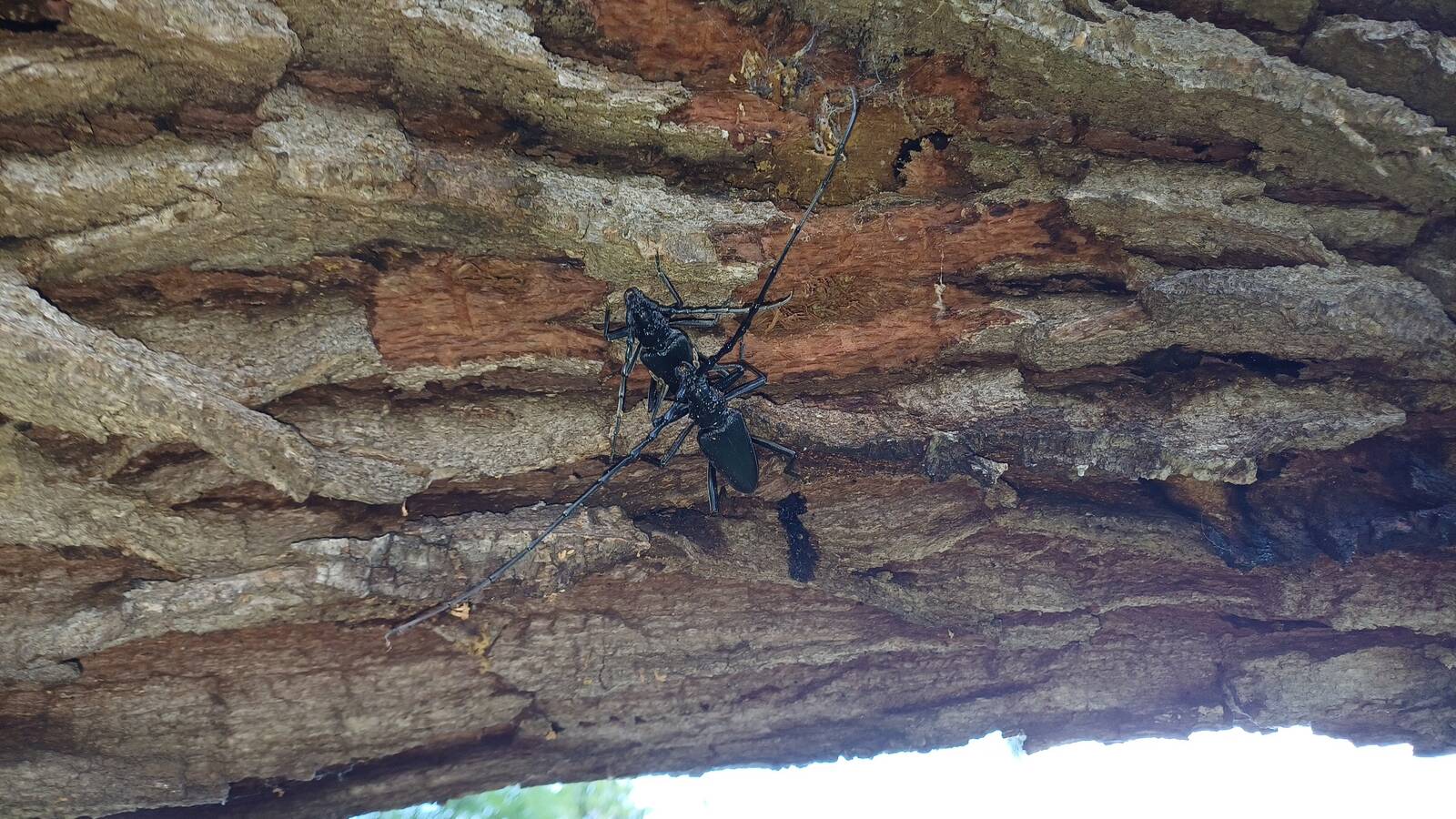
Cerambyx cerdo
Heroic Survivor
The oak longhorn beetle, also known as the Heldbock, has found its last known refuge in Styria in the Feistritz Gorge. The species has been able to survive in the gorge thanks to the presence of centuries-old sessile oaks. The presence of old oaks as breeding trees enables its survival.
Did you know?
The Feistritzklamm was the first site in Styria to be designated a European protected area. This was prompted by evidence that the great oak longhorn beetle is found there. As a result, this beetle has become the signature species of the Feistritzklamm.
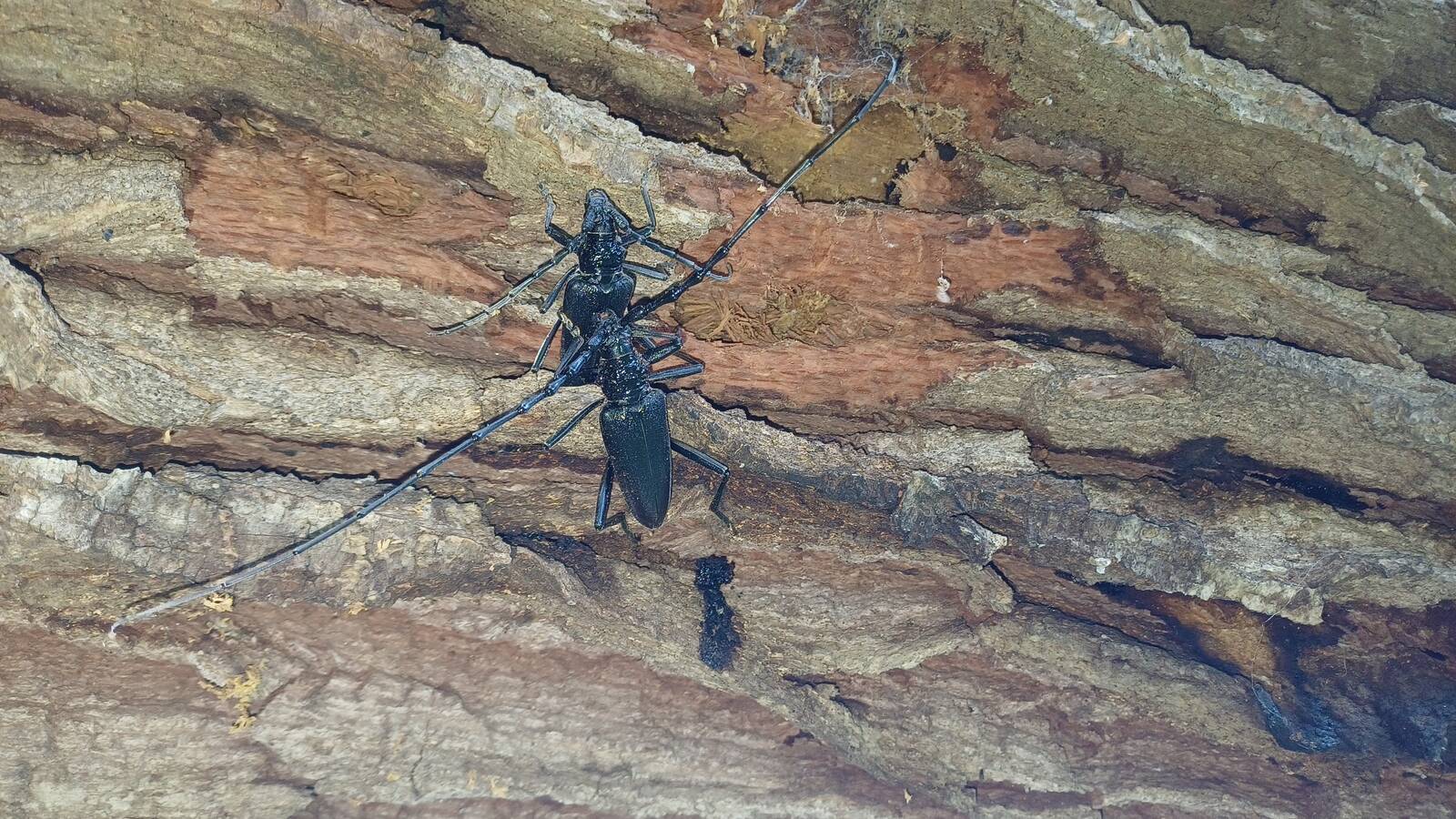
| Order | Beetle |
| Family | longhorn beetle |
| Distribution | Europe, North Africa, Asia Minor |
| Habitat |   |
| Food | Larvae feed on the sap of the host tree, while adult beetles feed on the sap of trees as well as on ripe fruit |
| Activity |  |
| Weight | up to 10 g |
| Size | 2.4–5.3 cm (antennae span in males up to 20 cm) |
| Service life | 3 to 5 years as larvae in the wood; the beetles die 1 to 2 months after mating |
| Reproduction | Using her ovipositor, the female lays up to 450 eggs in cracks in the bark; the larvae feed their way through several larval stages toward the heartwood, reaching a length of 9 cm; after pupation, young beetles emerge in the fall and overwinter once again in what is known as the “pupal cradle.” |
| Risk |  |
| Enemies | Birds |

Tierwelt Herberstein
Steirischer Landestiergarten GmbH
A 8223 Stubenberg am See
Buchberg 50
Phone: +43 3176 80777
Fax: +43 3176 80777 20
Email: info (at) tierwelt-herberstein. at