








Lama
Llama
Lama glama
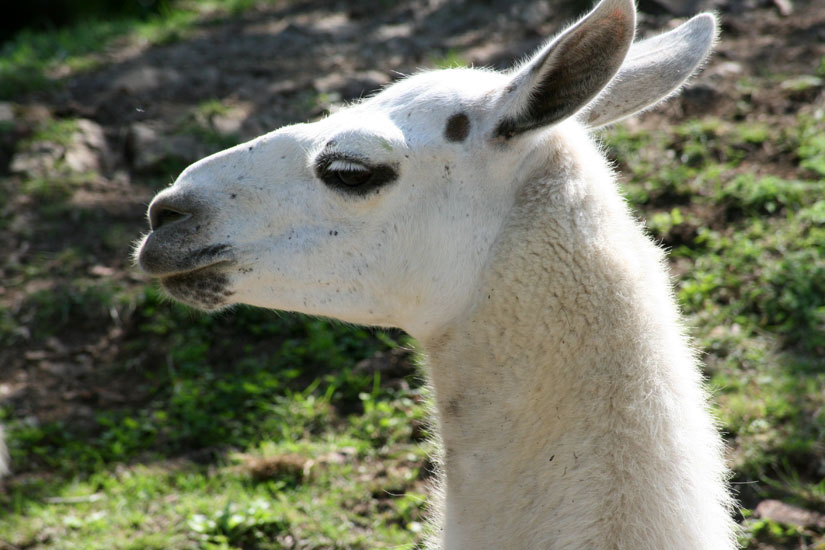
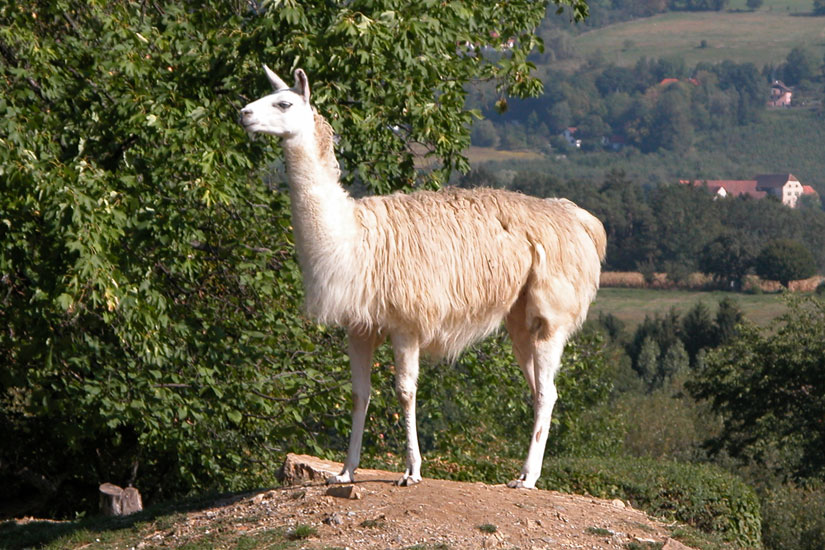
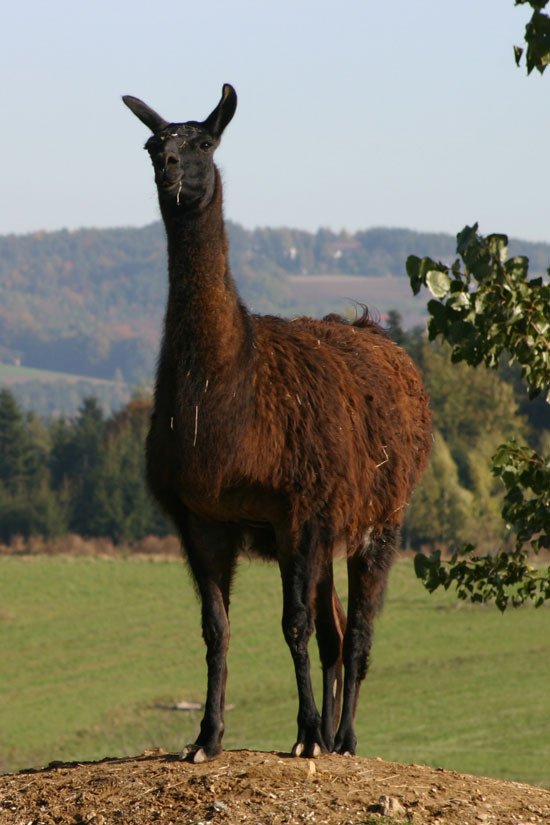
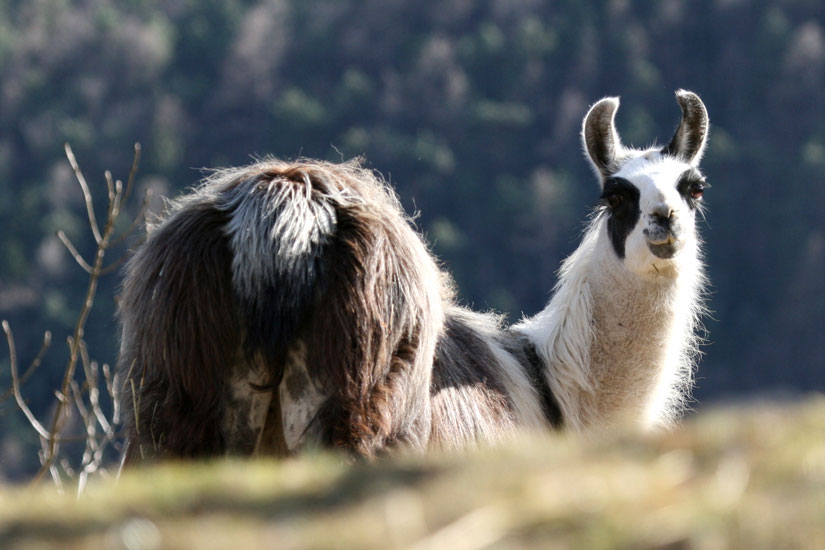
Along with the alpaca, the llama is a domesticated form of its South American relative—the guanaco. Unlike camels, these Andean animals find food regularly, which means they do not rely on fat reserves and therefore do not have humps.
Did you know?
Llamas have many uses. They are used for meat and as pack animals; their hides are used to make shoes, their wool is used for clothing, their fat is used to make candles, and their dried droppings are used as fuel.
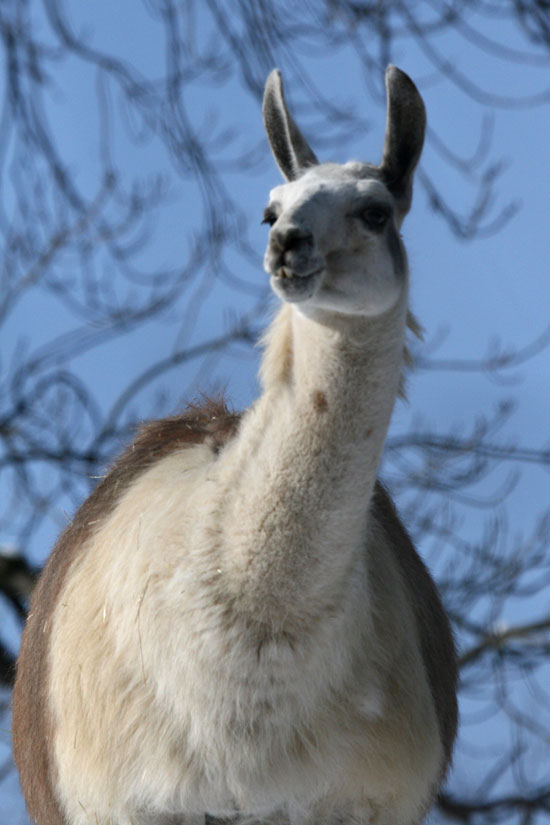
| Order | Pair-hoofed animals |
| Family | Camels |
| Distribution | Originally Peru, Bolivia, Chile, Argentina (today: the Americas, Europe) |
| Habitat |   |
| Food |  |
| Activity |  |
| Weight | 130–150 kg |
| Size | Body length up to 220 cm, shoulder height up to 130 cm |
| Service life | up to 20 years |
| Reproduction | After a gestation period of 11 months, 1 cub is born. |
| Risk |  |
| Enemies | - |

Tierwelt Herberstein
Steirischer Landestiergarten GmbH
A 8223 Stubenberg am See
Buchberg 50
Phone: +43 3176 80777
Fax: +43 3176 80777 20
Email: info (at) tierwelt-herberstein. at