






Palm Flying Fox in the Tierwelt Herberstein
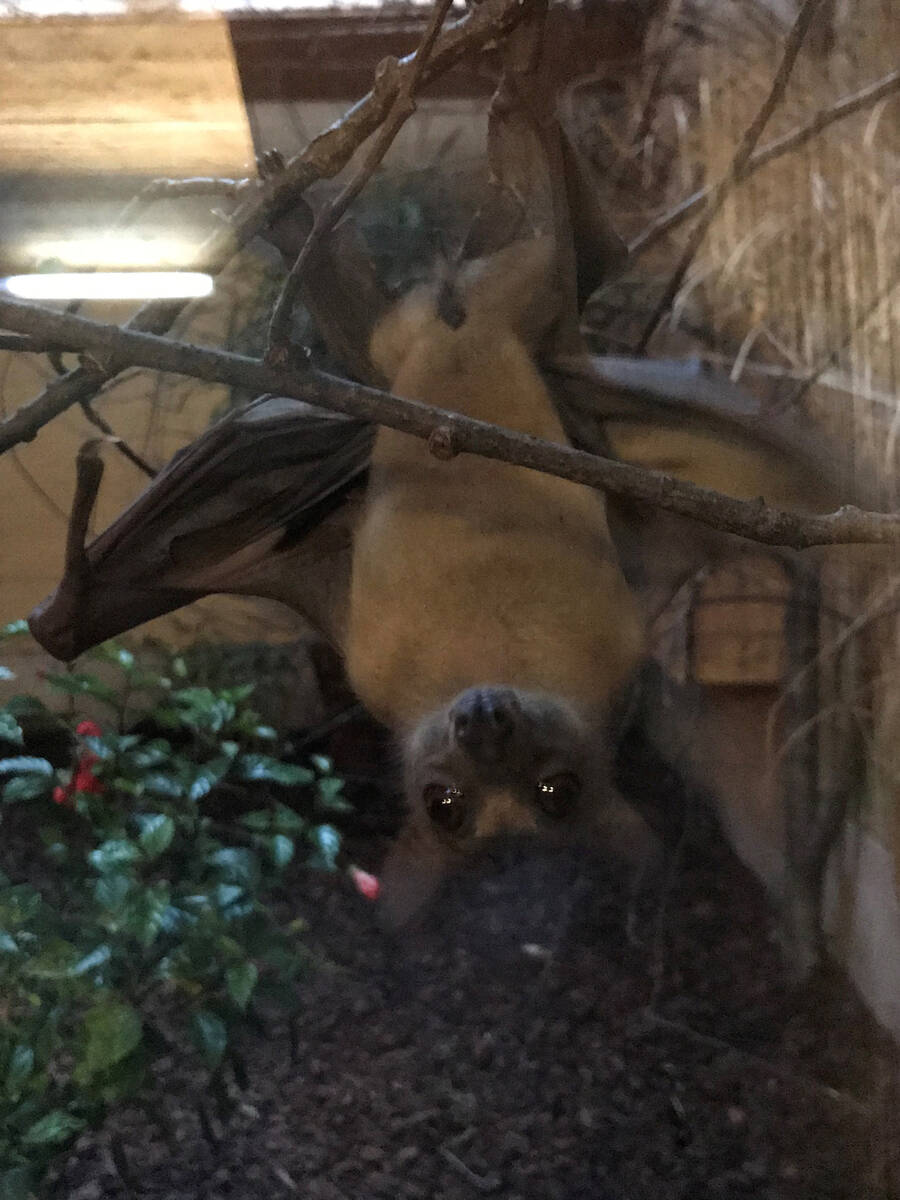
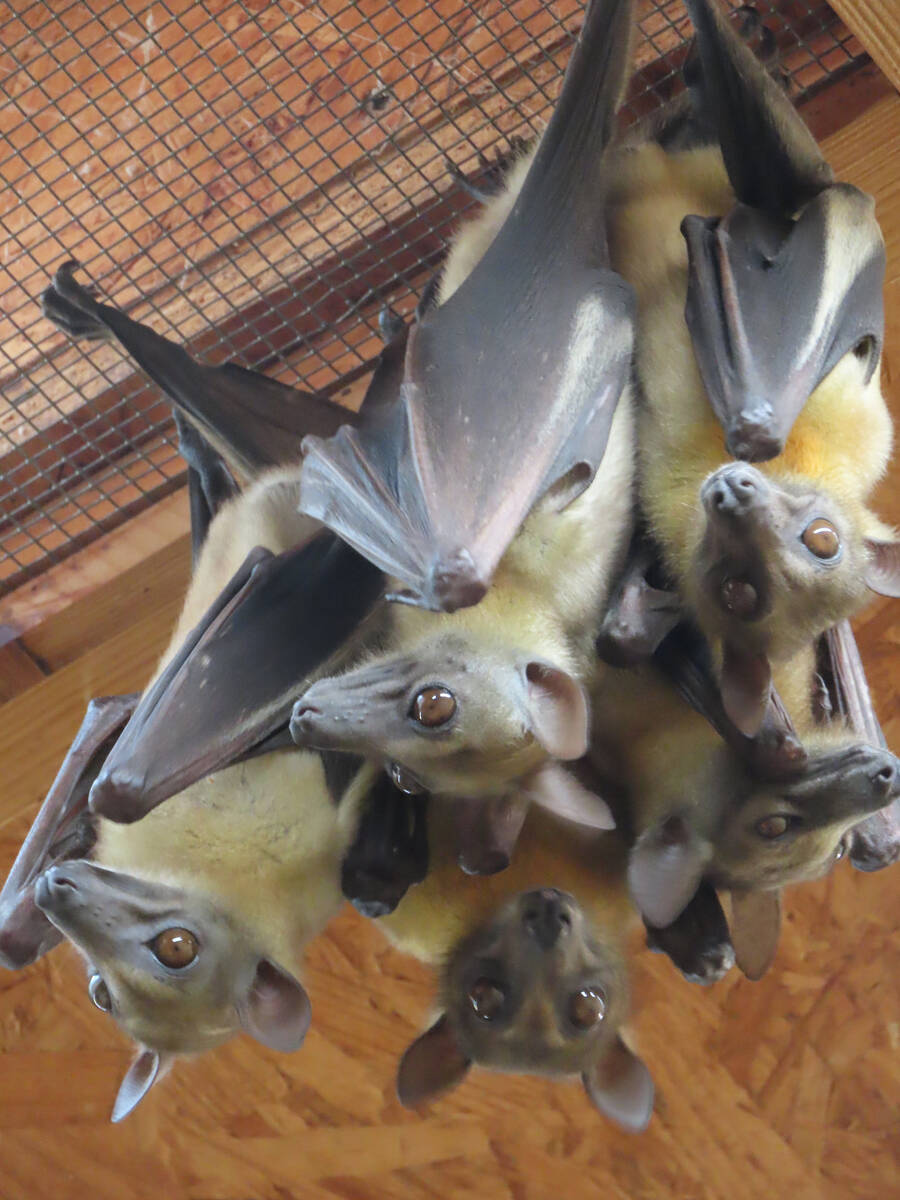
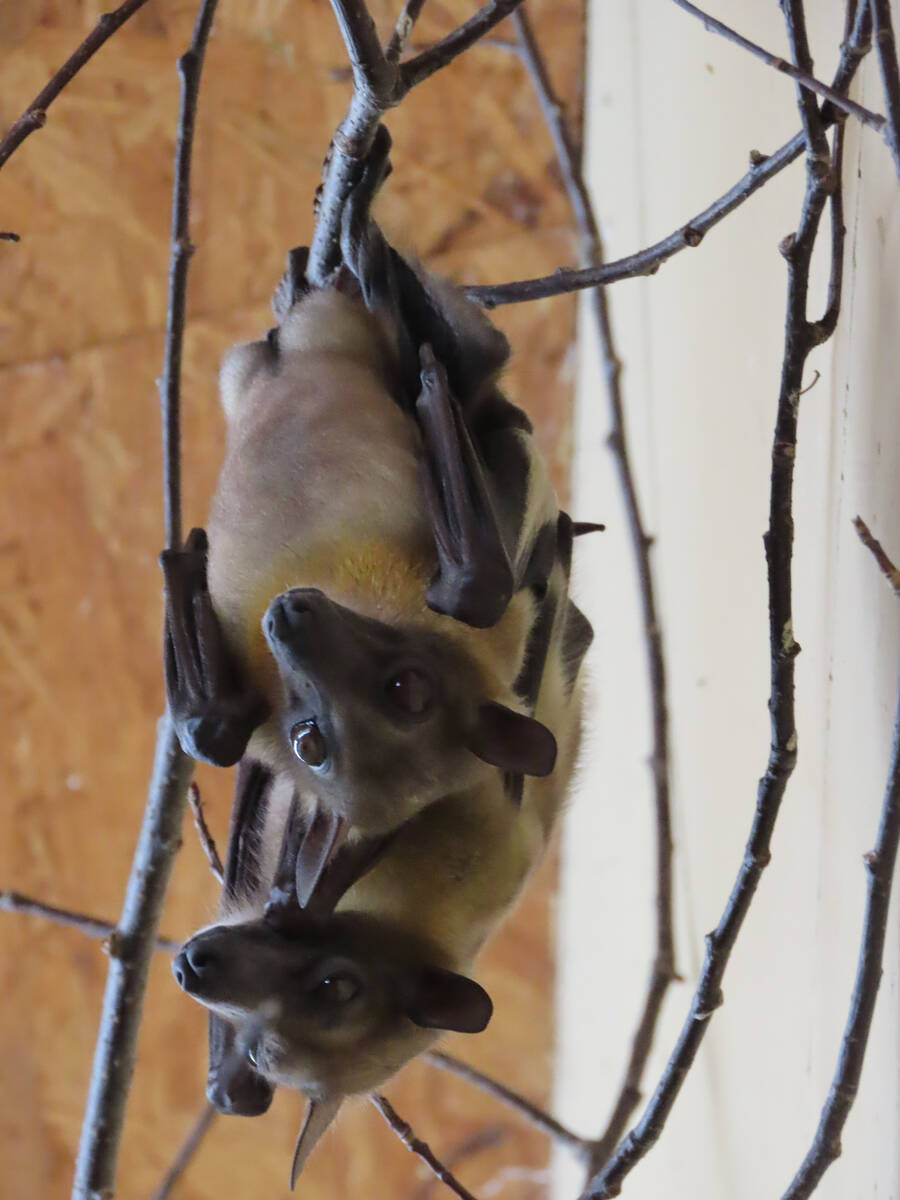
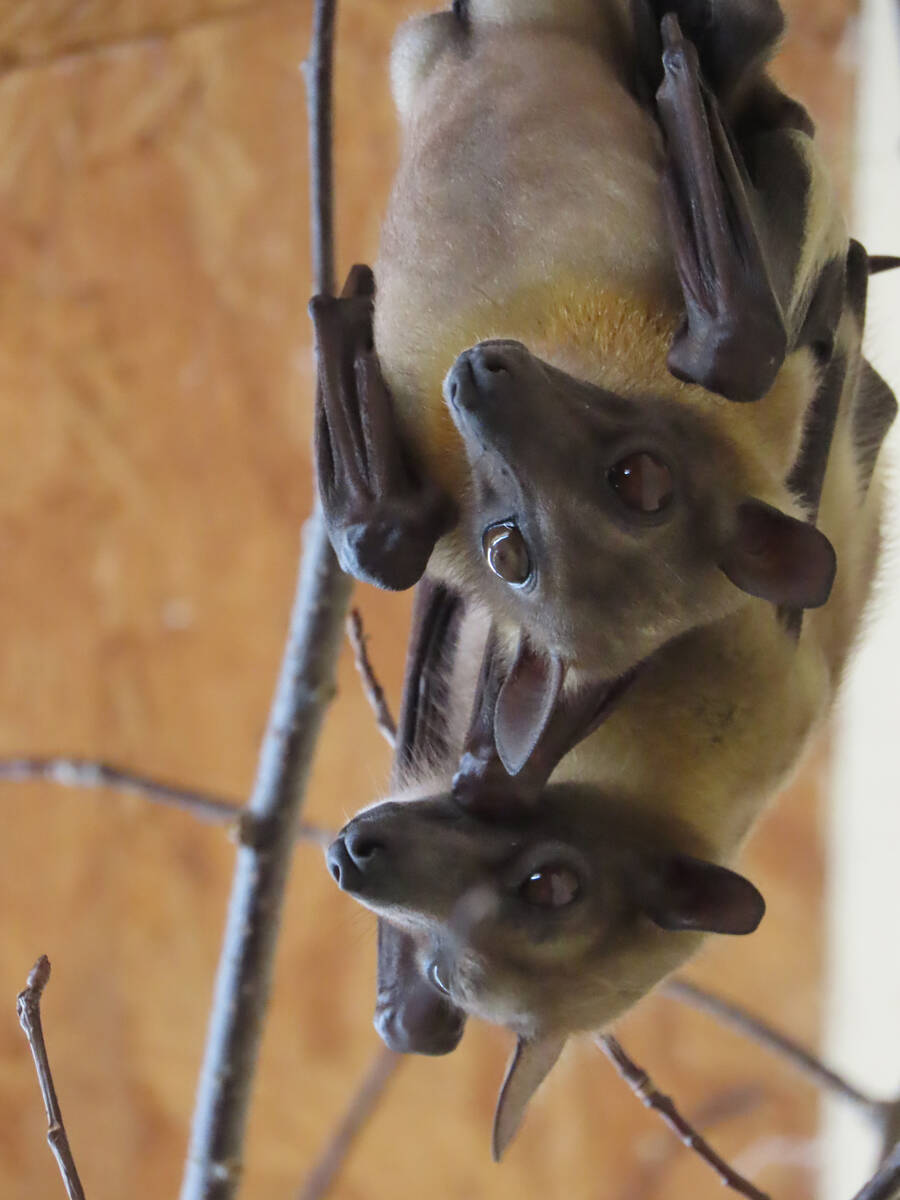
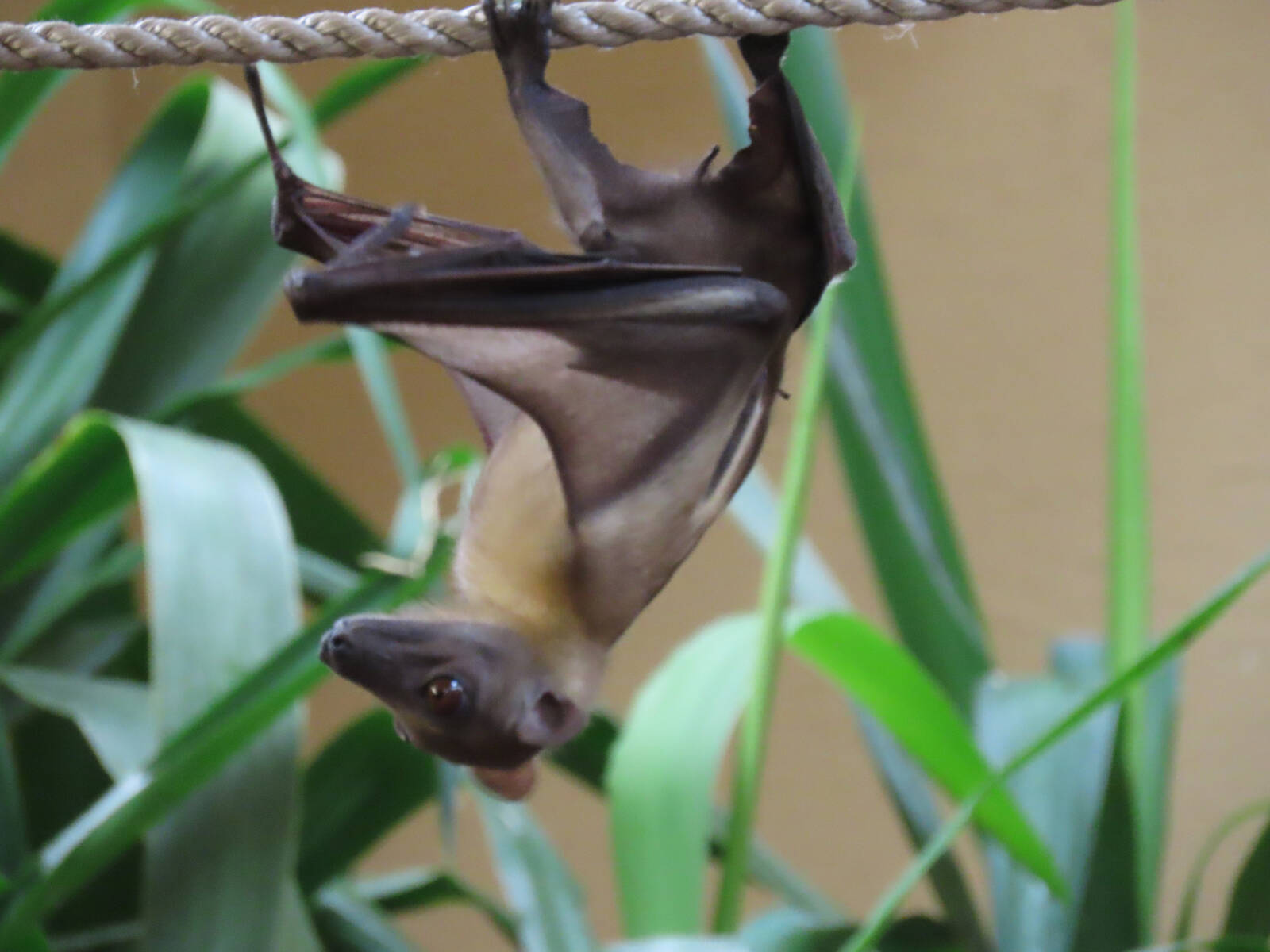
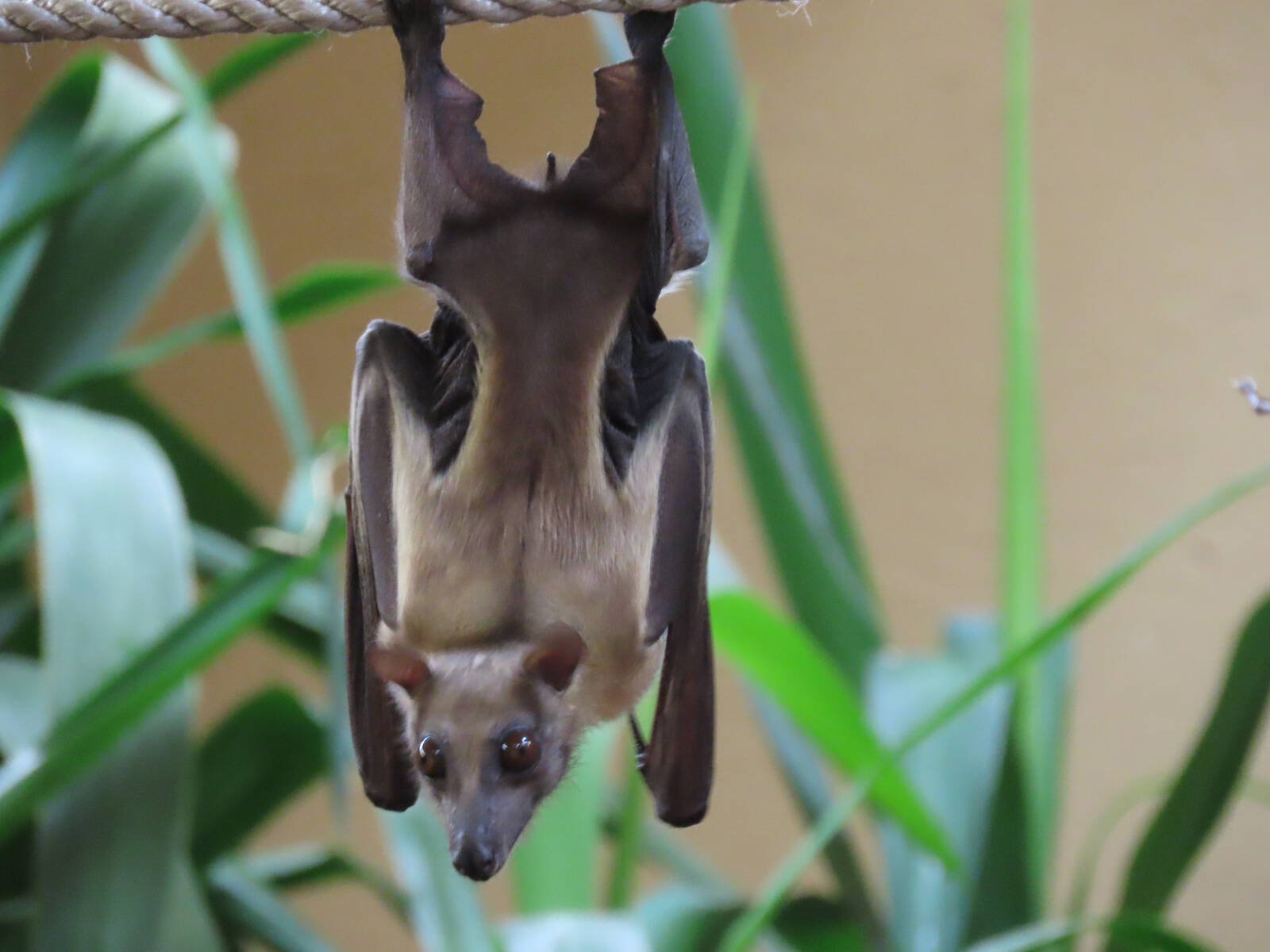
Straw-colored fruit bat
Eidolon helvum
Good to Know:
Palm fruit bats live in colonies and undertake long migrations. Much like the herds of zebras and wildebeests in the Serengeti, they, too, follow the rain to specific areas—and thus to flowering plants and ripening fruit.
Palm fruit bats play an important role as pollinators of many plant species, but also in the dispersal of seeds due to their diet.
Fruit bats resemble bats in body structure, but the main difference lies in their spatial orientation: while bats use echolocation to navigate, fruit bats rely on their senses of sight and smell.
Did you know?
Palm fruit bats feed on fruit, but they do not eat it whole; instead, they chew it thoroughly, suck out the juices, and leave behind the fibrous, dry parts.
| Order | Bats (Chiroptera) |
| Family | Flying foxes (Pteropodidae) |
| Distribution | Sub-Saharan Africa |
| Habitat |      |
| Food |  |
| Activity |   |
| Weight | 240–280 g |
| Size | Body length 19 cm, foot height 75 cm |
| Service life | 15 years (up to 20 at the zoo) |
| Reproduction | The gestation period is 4 months. Usually, one young is born. |
| Risk |  |
| Enemies | Birds of Prey, Snakes, Humans |

Tierwelt Herberstein
Steirischer Landestiergarten GmbH
A 8223 Stubenberg am See
Buchberg 50
Phone: +43 3176 80777
Fax: +43 3176 80777 20
Email: info (at) tierwelt-herberstein. at