


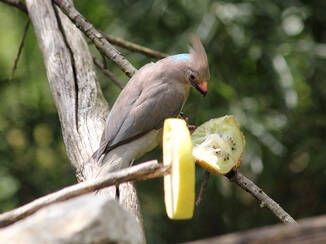





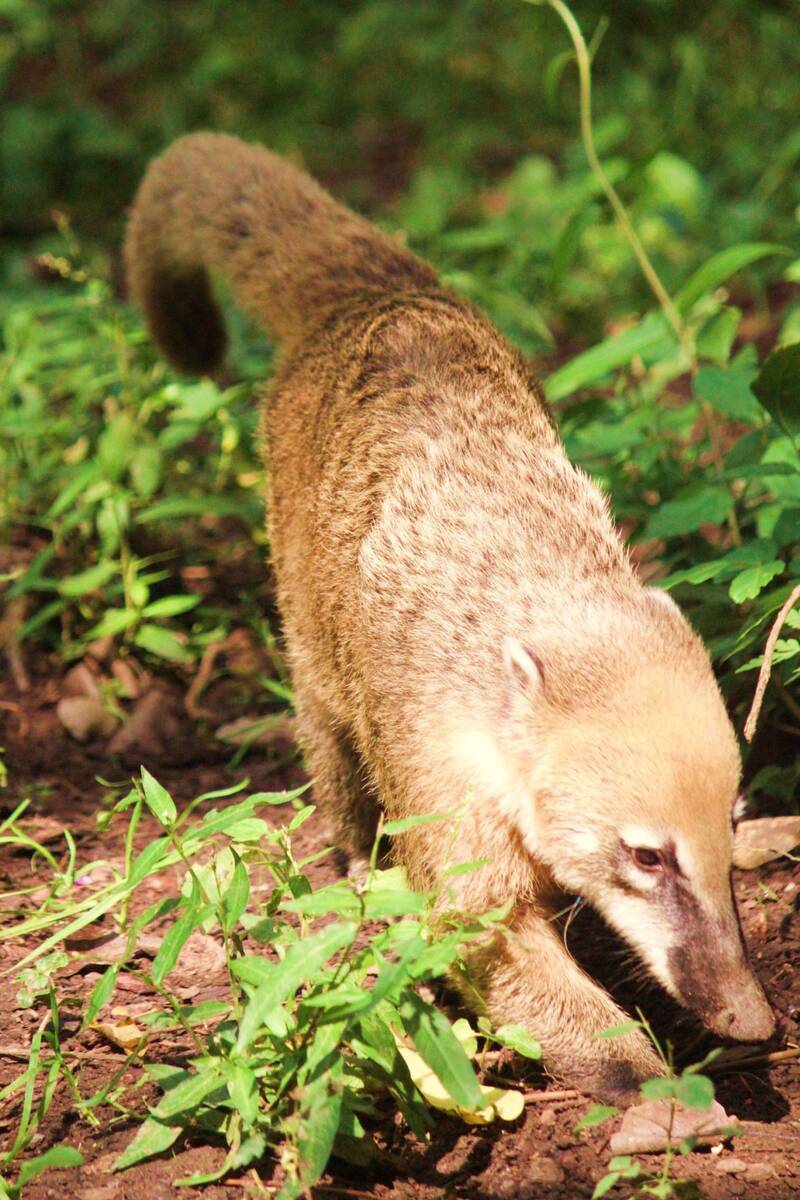
South American coati in the Tierwelt Herberstein
South American Coati
Nasua nasua
Nasal Ability and the Division of Labor Among Women
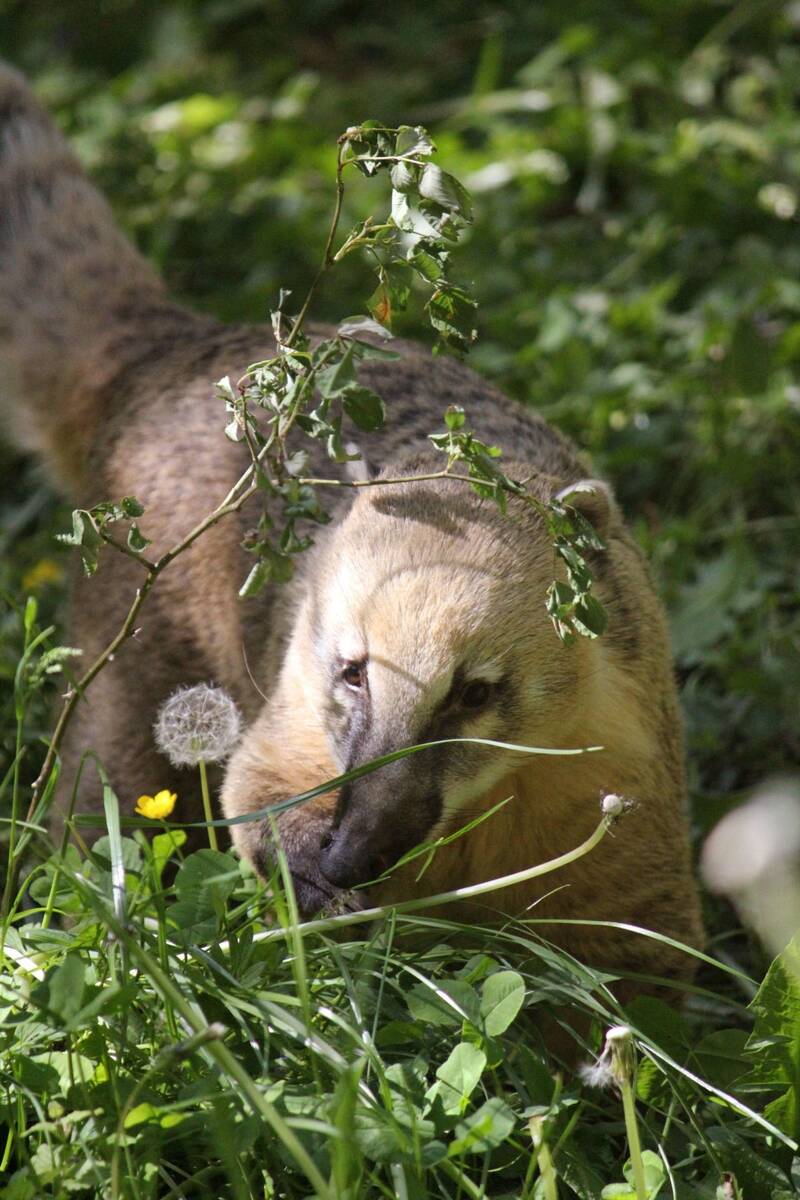
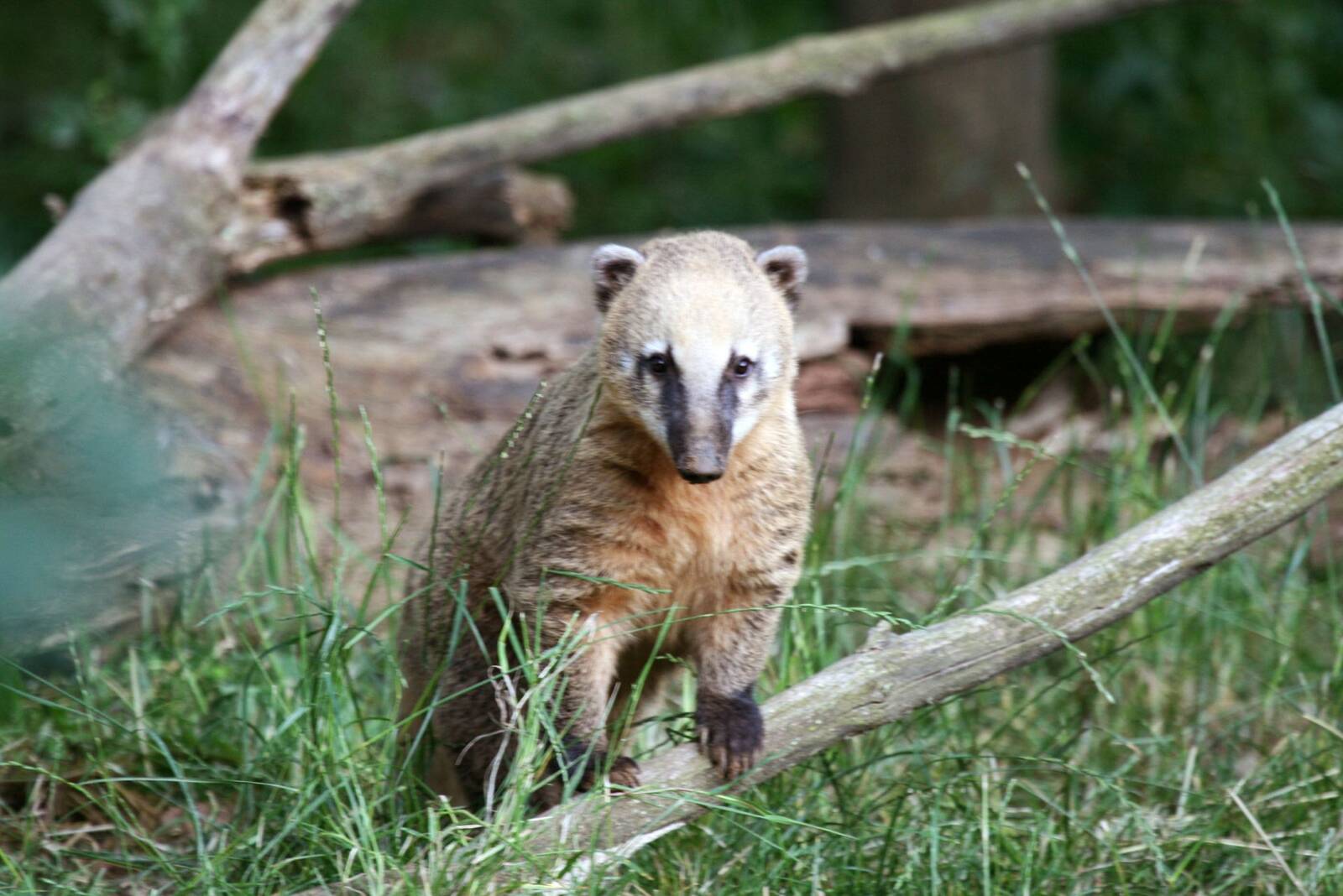
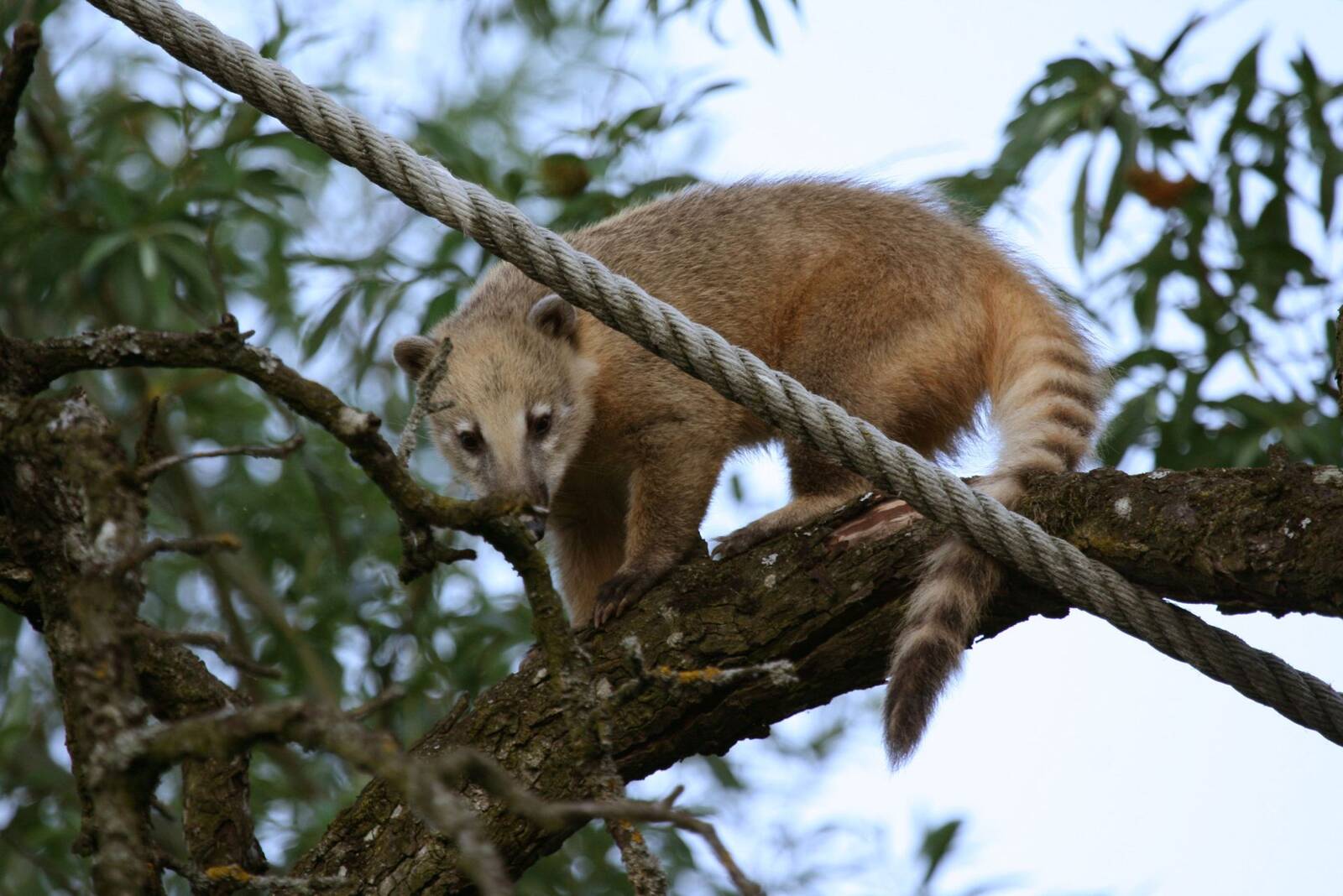
When coatis are out on a “foraging expedition,” almost nothing is safe from them. As omnivores, they eat all kinds of fruits, insects, and other small creatures. With their long, flexible snouts, they burrow through the forest floor and can even squeeze into the narrowest crevices. Their keen sense of smell helps them locate their “prey.” Anything stubbornly hidden underground is quickly dug up with the strong claws on their front paws.
When it comes to social life, males and females exhibit different preferences. While males are typically solitary and seek the company of females only during the mating season, females are very sociable. In all-female groups, they share responsibilities and enjoy each other’s company. They groom one another, defend themselves together against enemies, and nurse the young of other group members.
Did you know?
Coatis are the only small bears that are primarily active during the day. All others prefer to be active at night.
| Order | Predators |
| Family | Small bears |
| Distribution | From Venezuela and Colombia to northern Argentina and northern Uruguay |
| Habitat |    |
| Food |  |
| Activity |  |
| Weight | M 4–6 kg, W 3.5–4.5 kg |
| Size | Body length 40–65 cm, tail length 30–70 cm |
| Service life | 10 years (zoo: more than 10 years) |
| Reproduction | After a gestation period of 2.5 months, 3 to 7 young are born. |
| Risk |  |
| Enemies | Big cats, giant snakes, birds of prey, humans |
Corporate Sponsorships


Tierwelt Herberstein
Steirischer Landestiergarten GmbH
A 8223 Stubenberg am See
Buchberg 50
Phone: +43 3176 80777
Fax: +43 3176 80777 20
Email: info (at) tierwelt-herberstein. at