



Pointed-crested Pigeon
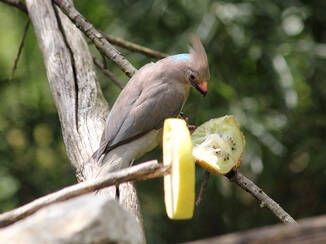
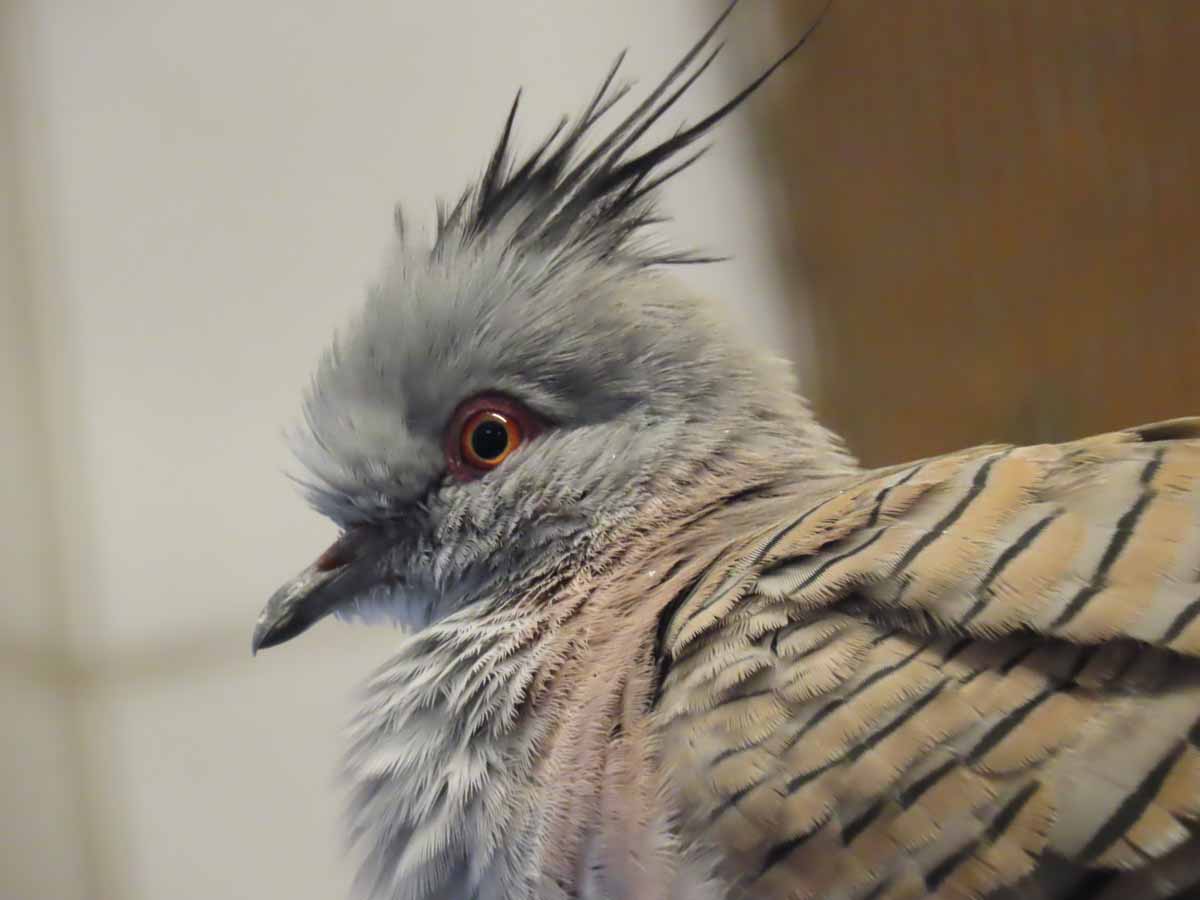
Crested Pigeon
Ocyphaps lophotes
The Dove with the Hood
Originally native to Western and Central Australia, crested pigeons have spread across the entire continent as synanthropic species. The grasslands, which are essential for livestock farming, in particular, also serve as the perfect habitat for these pigeons. In recent years, they have become increasingly common in urban parks and gardens.
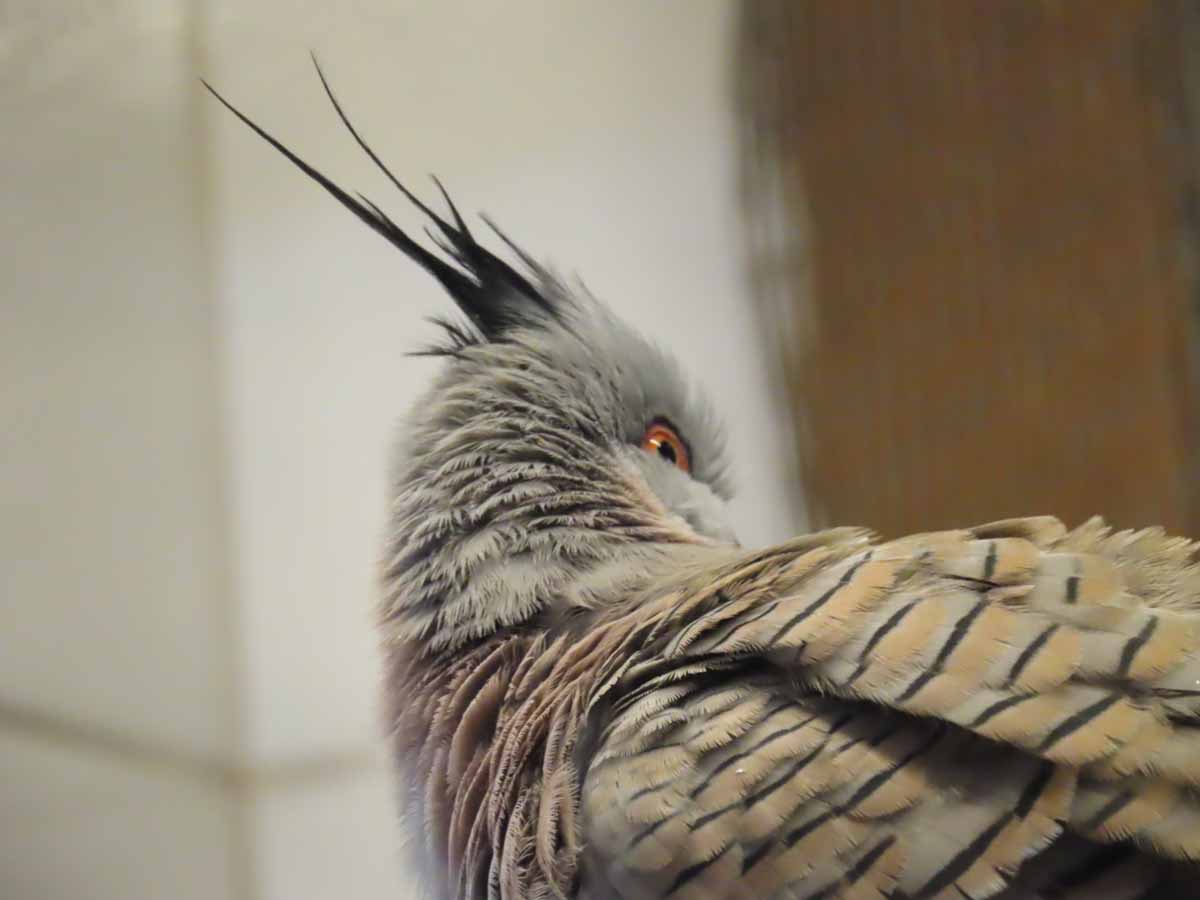
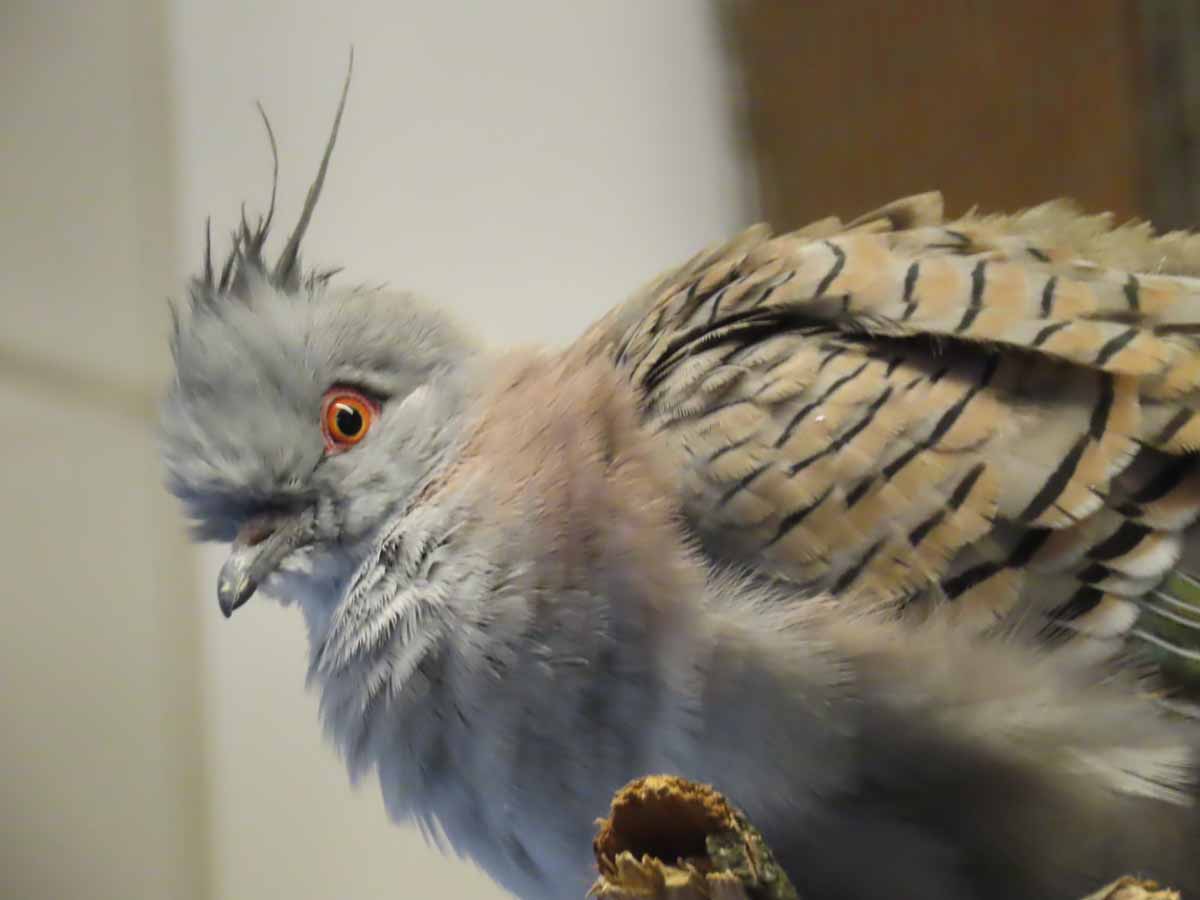
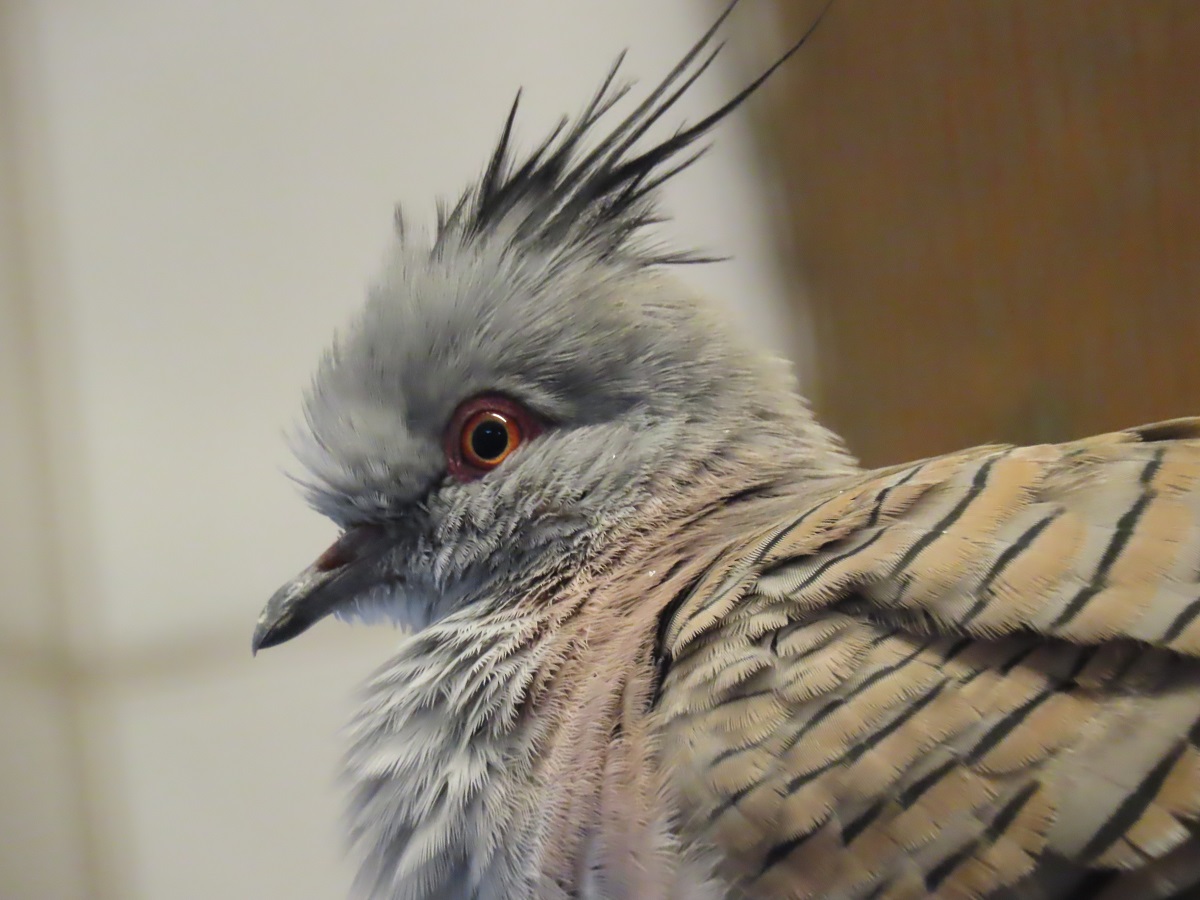
The distinctive pointed crest on the back of the head is present in both males and females. There is also no difference between the sexes in terms of size or plumage. These pigeons are usually found in small flocks of up to 6 birds. During courtship, the male performs bows, accompanied by fanning out his wings and tail feathers. The courtship ritual is accompanied by characteristic soft calls.
Did you know?
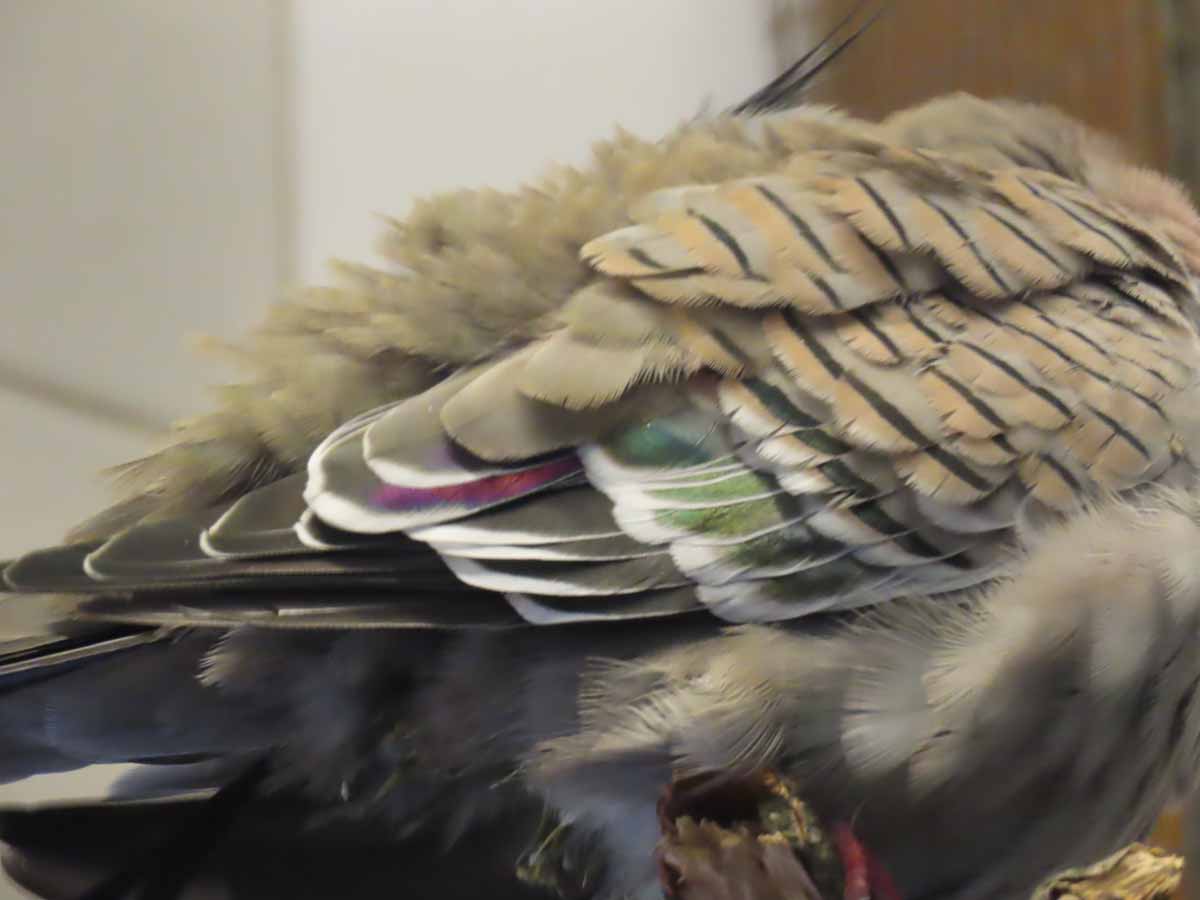
If a crested pigeon is startled while foraging on the ground, it flies away with a characteristic whistling sound. This sound is produced by airflow over a specially shaped flight feather and also serves to warn other pigeons of potential danger.
| Order | Pigeons (Columbiformes) |
| Family | Pigeons (Columbidae) |
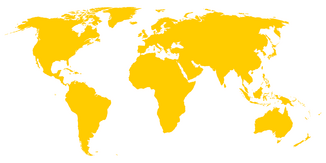
| Distribution | Australia |
| Habitat |   |
| Food |  |
| Activity |  |
| Weight | 250 g |
| Size | 31–36 cm |
| Service life | 6 years |
| Reproduction | Incubation period: 18–21 days (2 eggs) |
| Risk |  |
| Enemies | unknown |
Tierwelt Herberstein
Steirischer Landestiergarten GmbH
A 8223 Stubenberg am See
Buchberg 50
Phone: +43 3176 80777
Fax: +43 3176 80777 20
Email: info (at) tierwelt-herberstein. at