


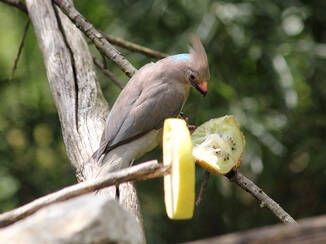





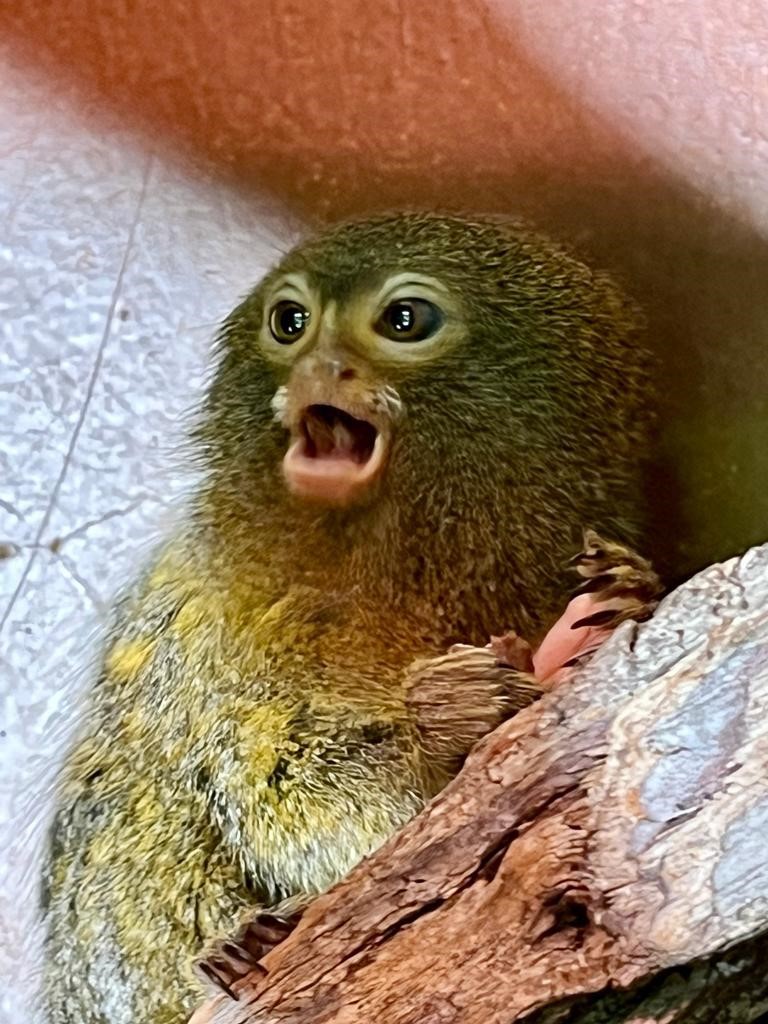
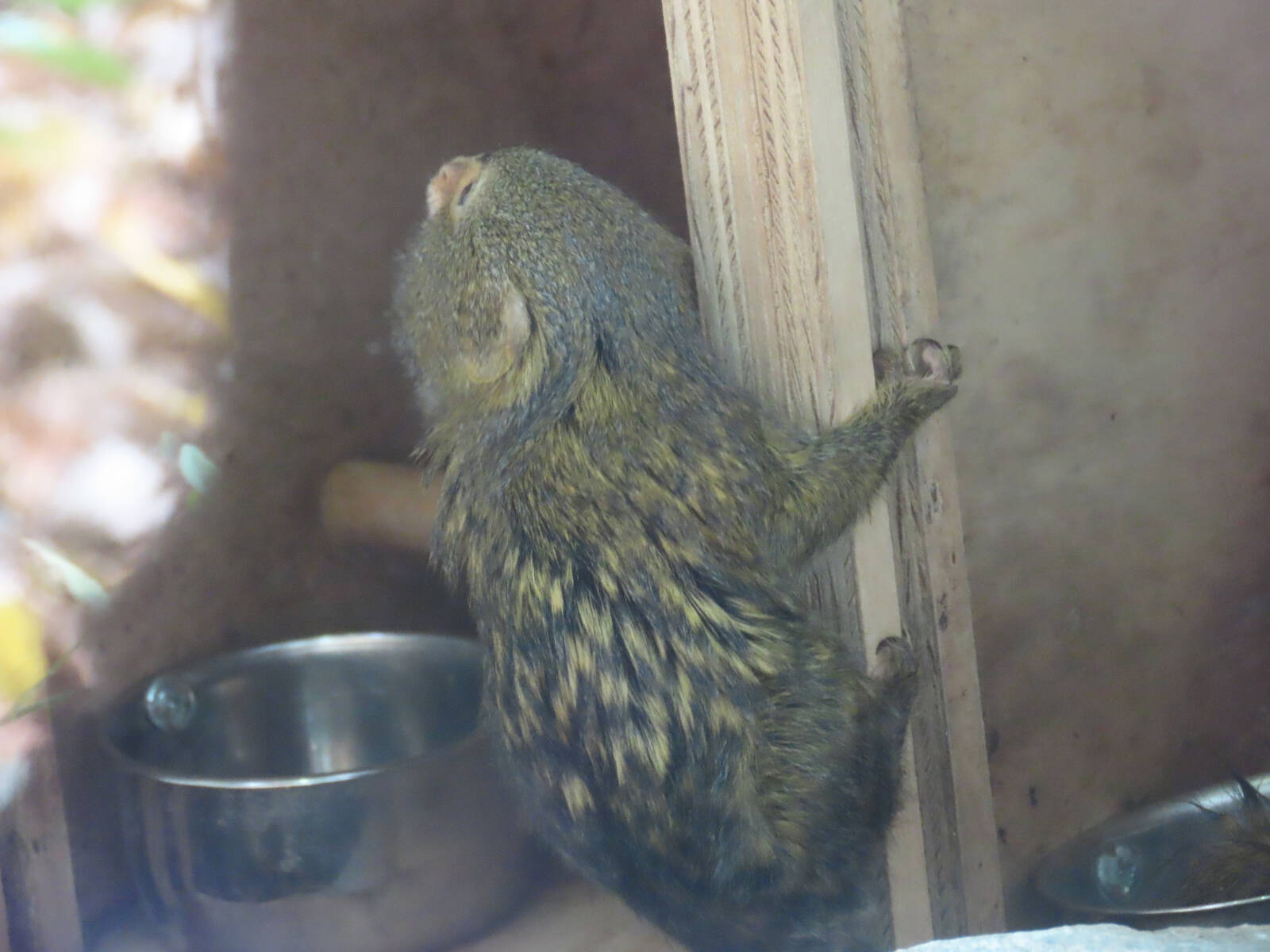
Pygmy marmosets in the Tierwelt Herberstein
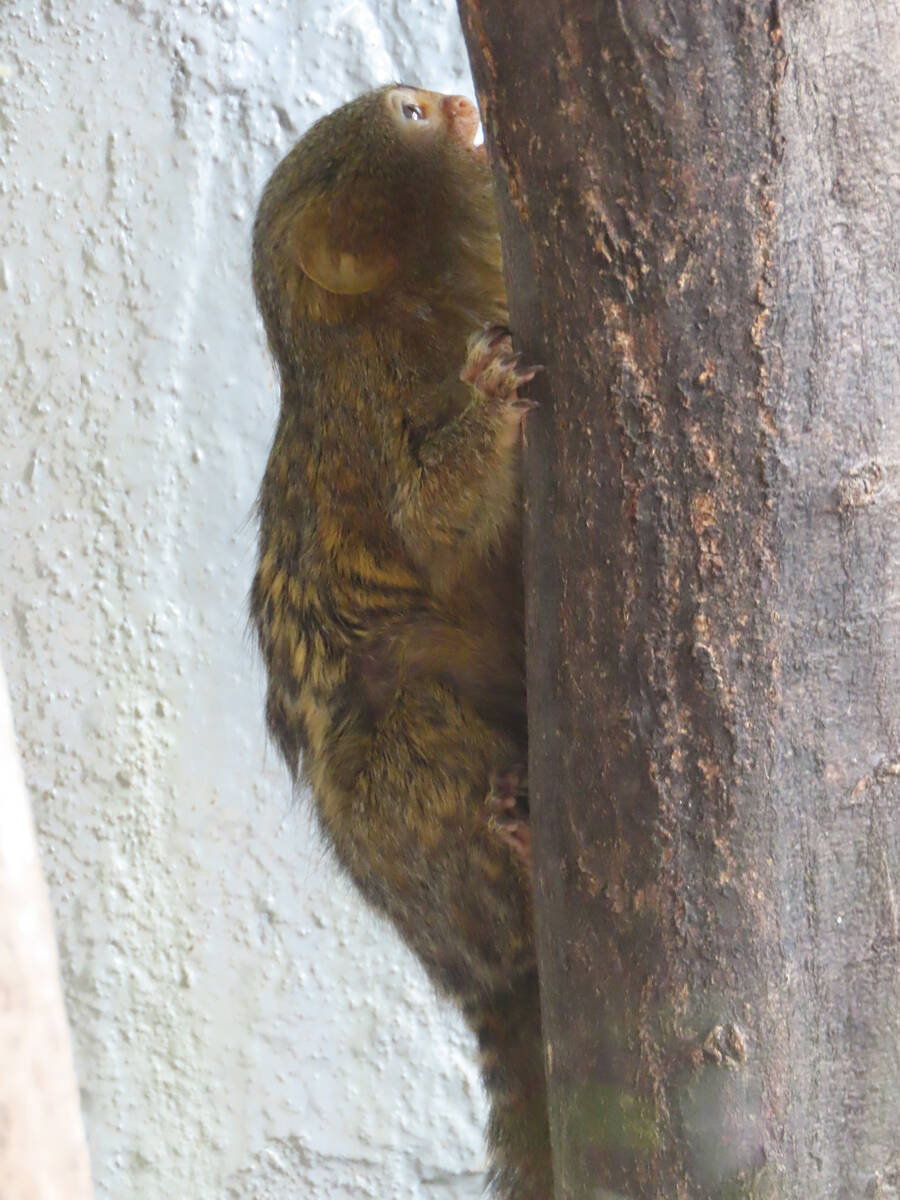
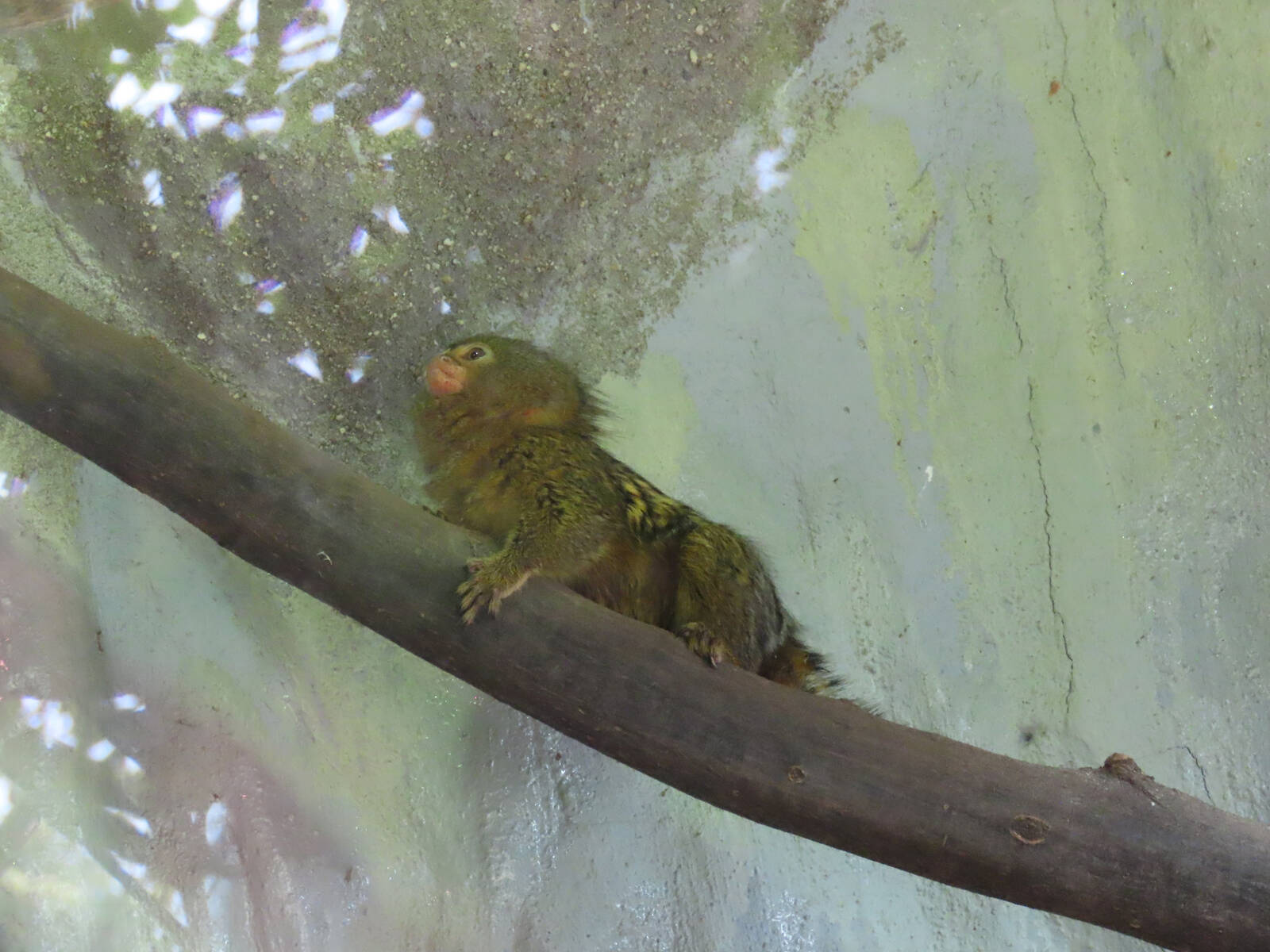
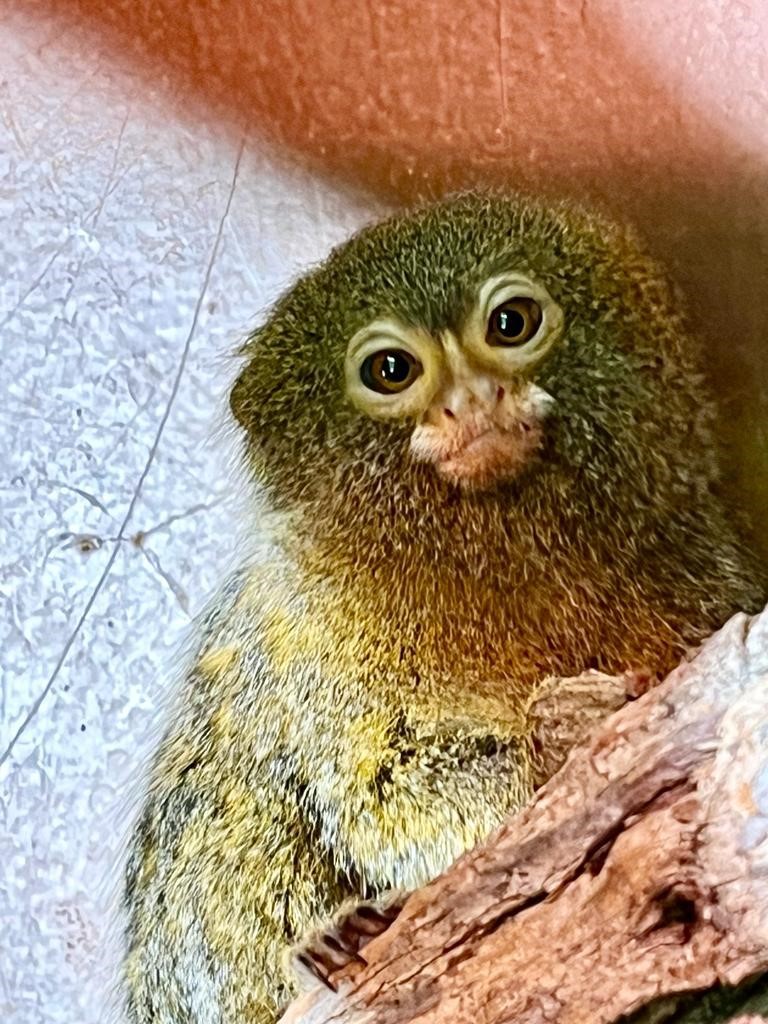
Pygmy marmoset
Cebuella pygmaea
Good to Know:
Pygmy marmosets are the smallest members of the marmoset family. They live in family groups. As with many marmosets, only the dominant female in a group reproduces; ovulation is suppressed in the other females.
The entire group cares for the young—usually twins. All family members carry the young, who are handed over to their mother only for nursing.
Did you know?
A group's territory—which is usually small—centers around a tree that provides a rich source of food. Using their specialized teeth, the monkeys gnaw holes in the bark and then lick up the sap that oozes out.

| Order | Monkeys (Primates) |
| Family | Marmosets (Callitrichidae) |
| Distribution | Colombia, Ecuador, Peru, Brazil, Bolivia |
| Habitat |  |
| Food |   |
| Activity |  |
| Weight | 85–140 g |
| Size | Body length 12–16 cm, shoulder height 17–23 cm |
| Service life | 12 years old (Zoo up to 18) |
| Reproduction | The gestation period is 4.5 months. In most cases, two young are born. |
| Risk |  |
| Enemies | Birds of Prey, Humans |

Tierwelt Herberstein
Steirischer Landestiergarten GmbH
A 8223 Stubenberg am See
Buchberg 50
Phone: +43 3176 80777
Fax: +43 3176 80777 20
Email: info (at) tierwelt-herberstein. at