





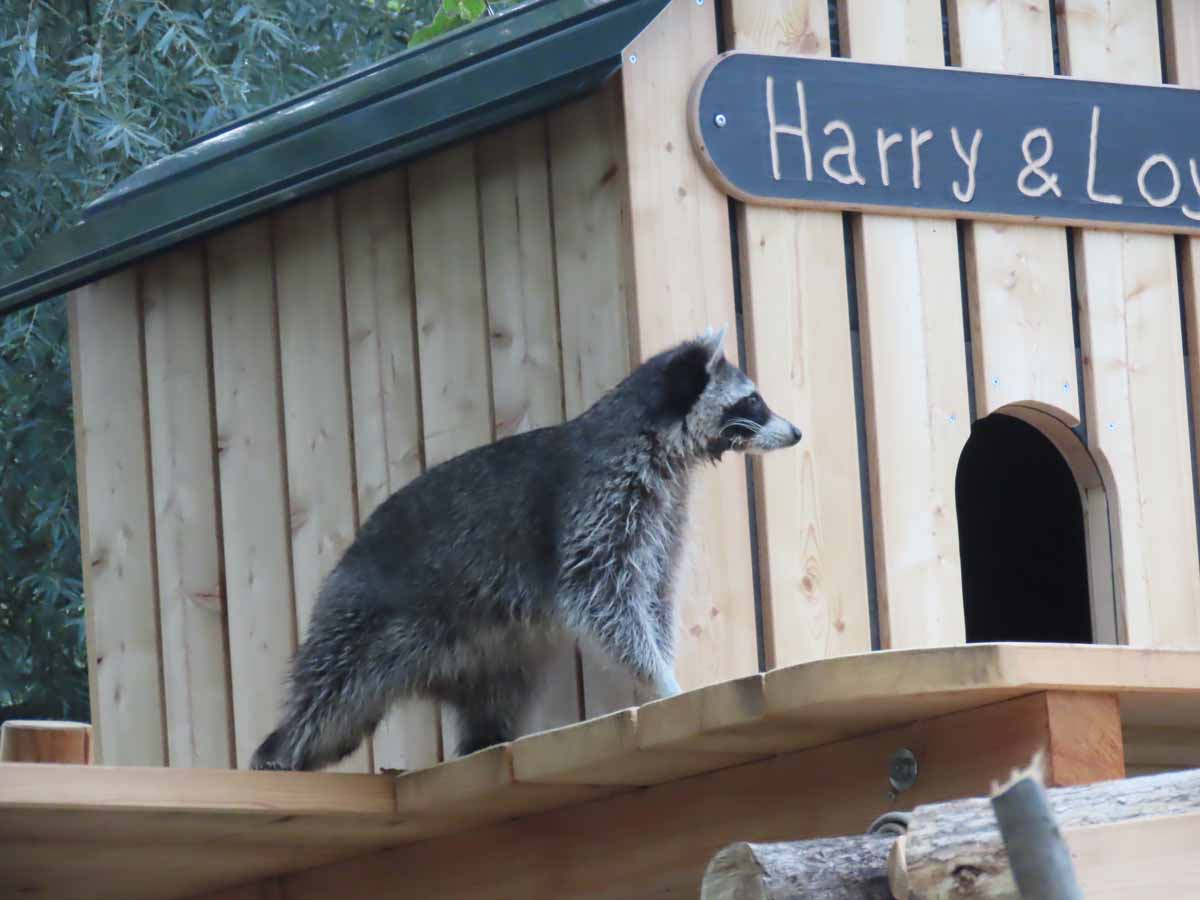
Raccoon in the Tierwelt Herberstein
Raccoon
Procyon lotor
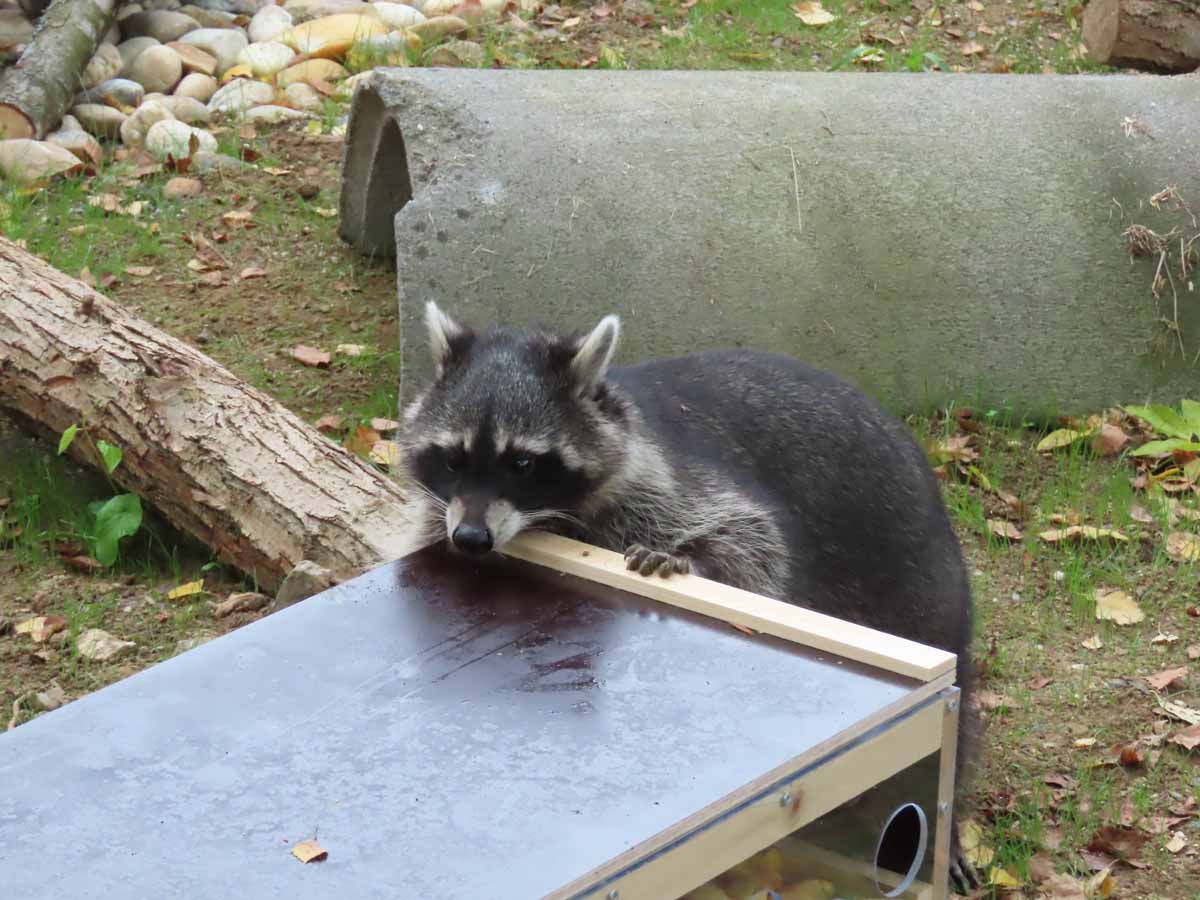
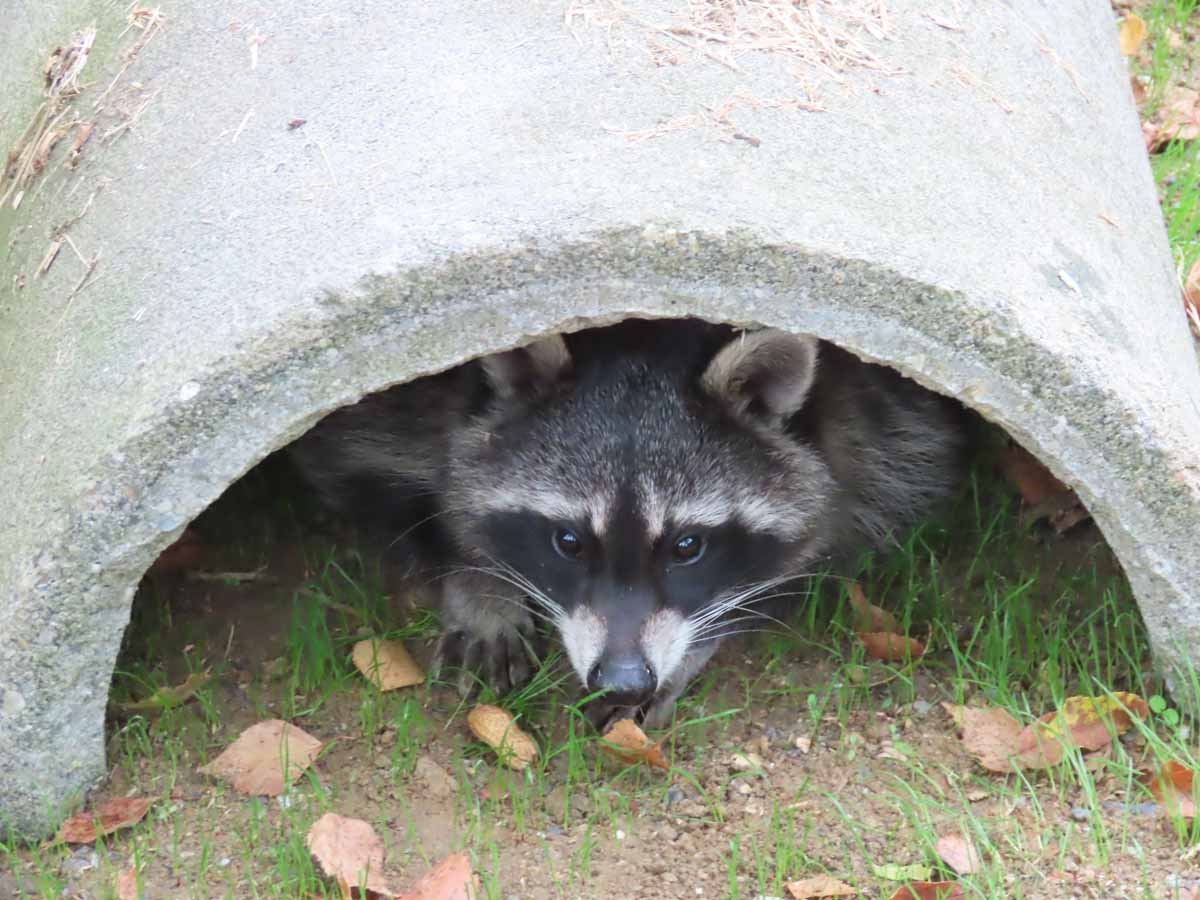
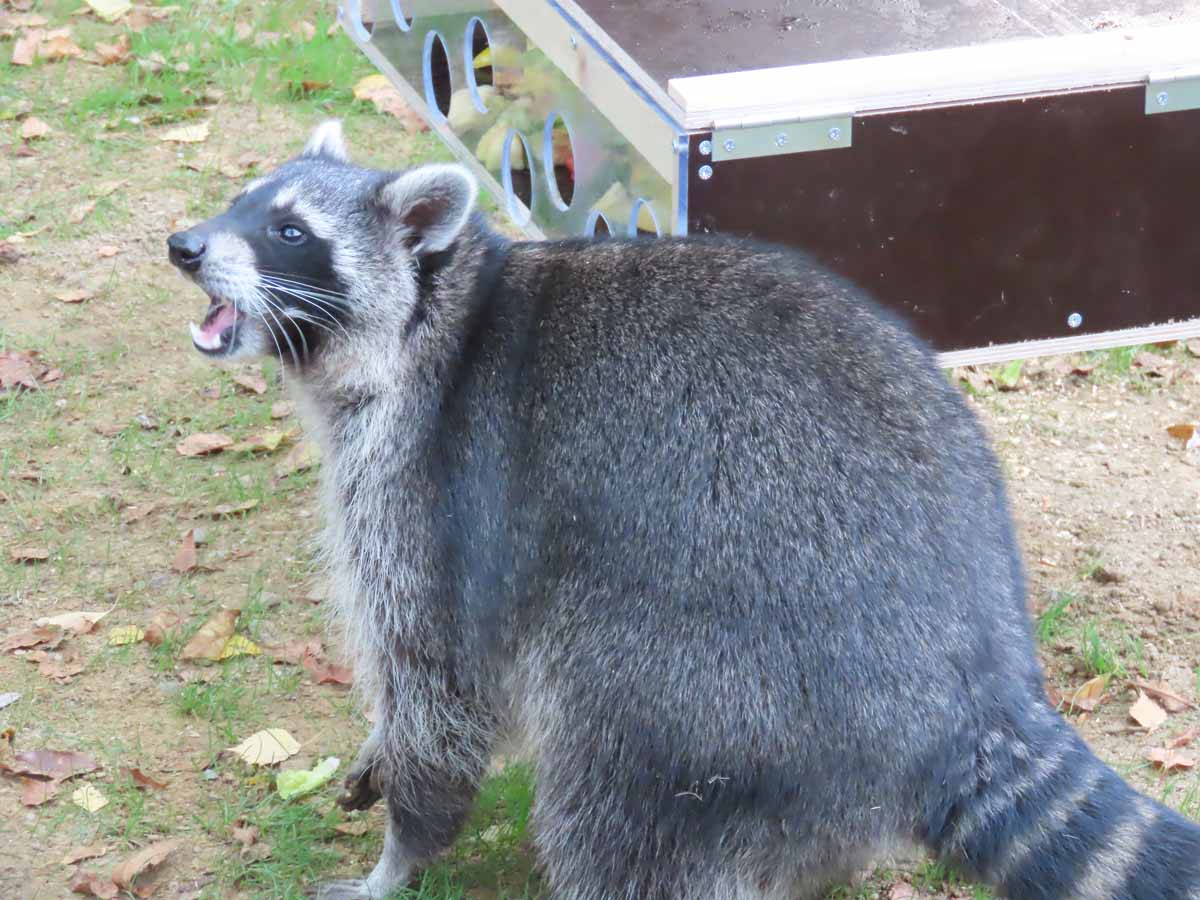
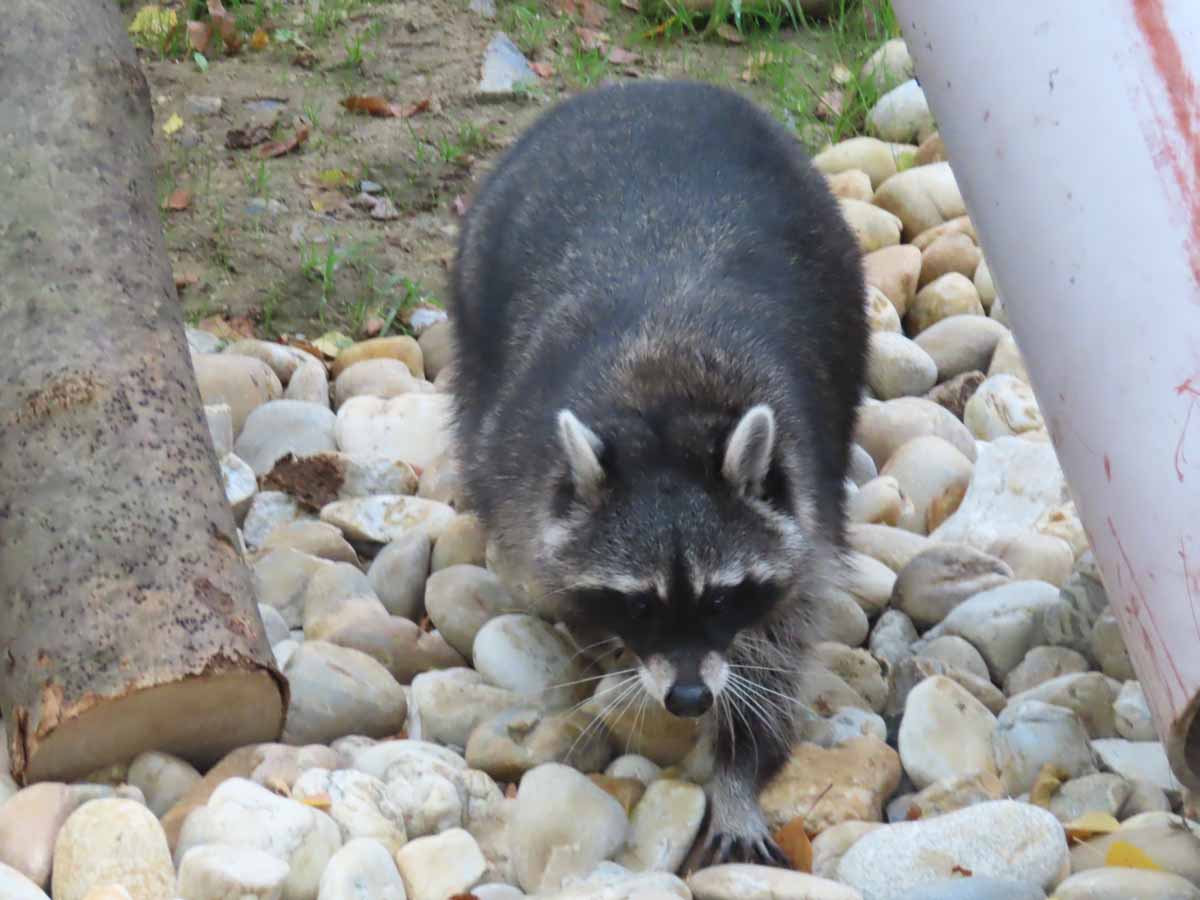
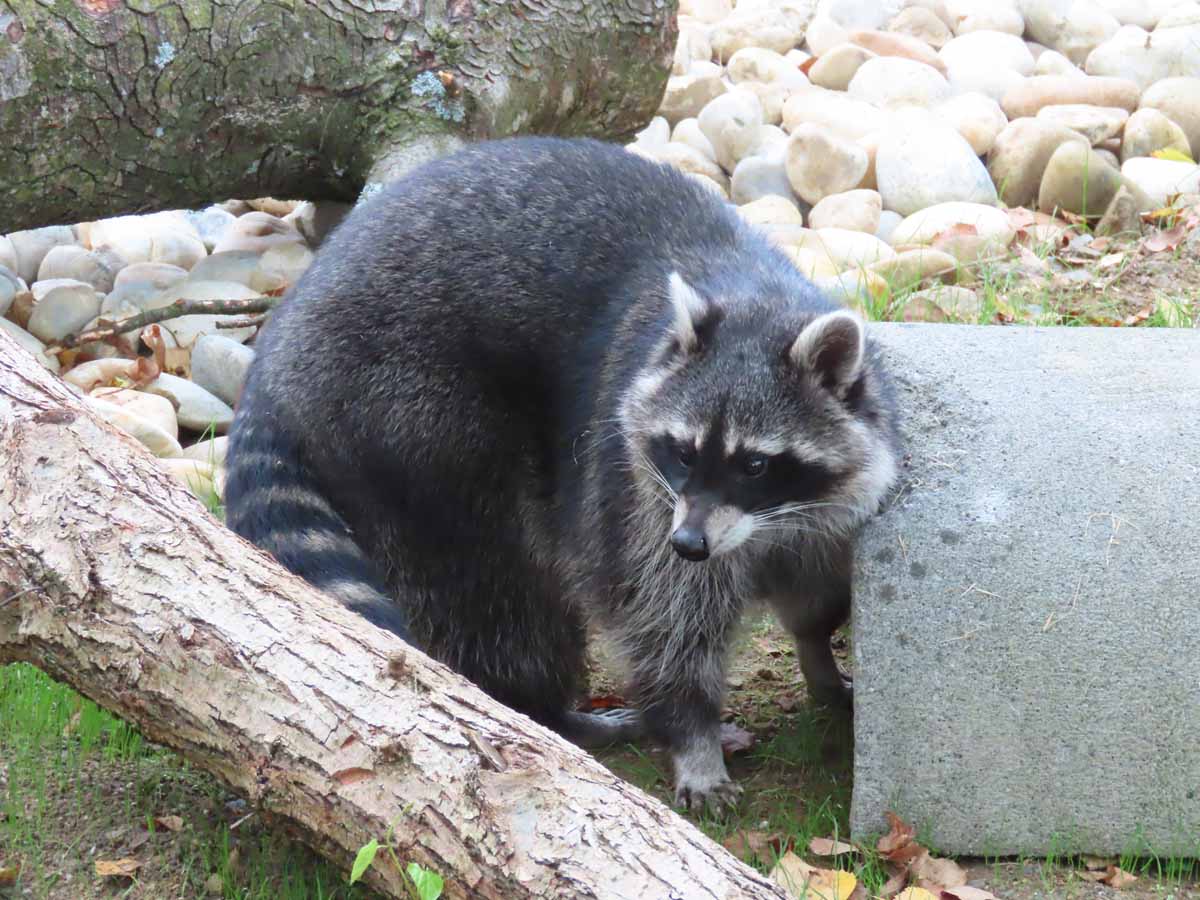
Raccoons, which are native to North America, were introduced to Europe for fur farming. Several stable populations have formed in Germany as a result of animals escaping from fur farms or, in some areas, being intentionally released. They are now widespread not only in Germany but also in other Central European countries. Since 2014, raccoons have been on the EU list of invasive species; their keeping in zoos is subject to strict regulations, and private ownership is prohibited.
Raccoon
Procyon lotor
Did you know?
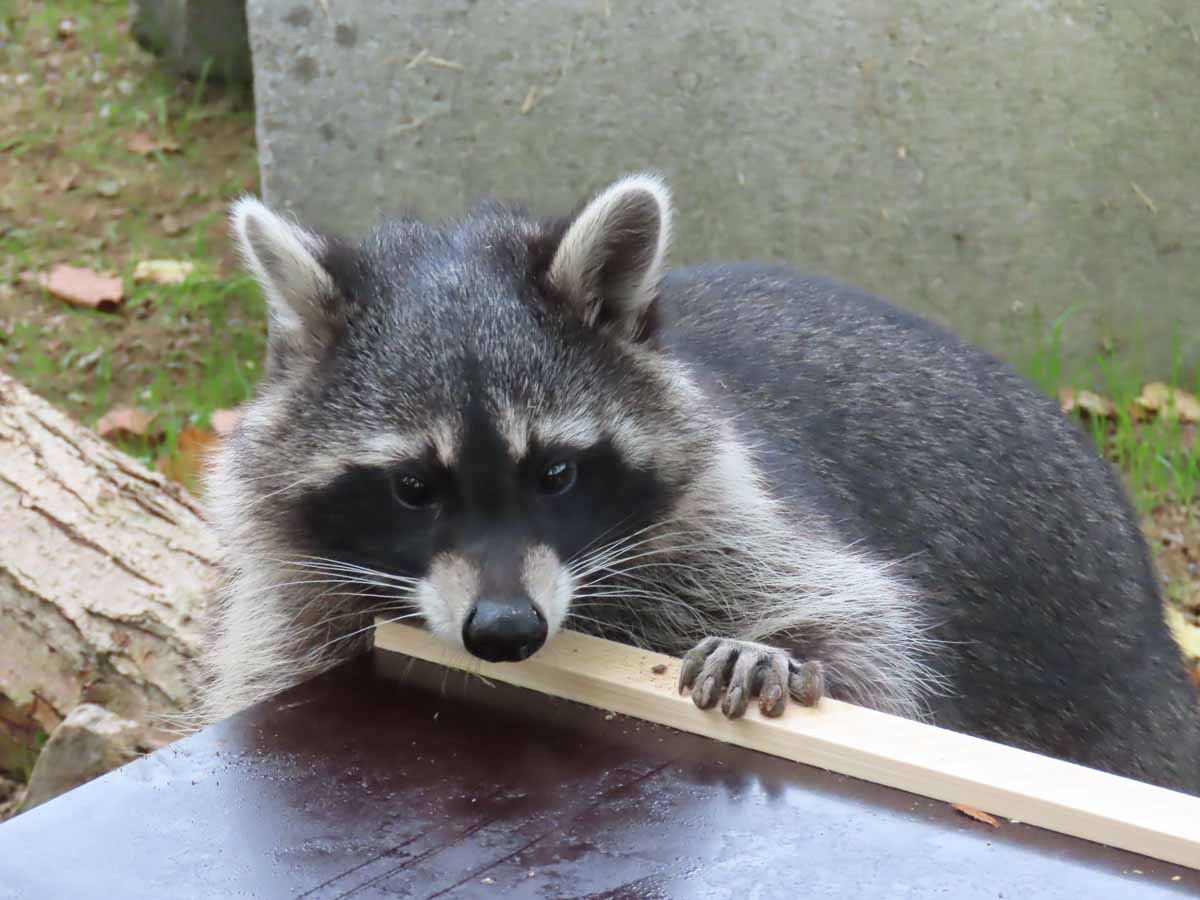
Raccoons have a highly developed sense of touch in their front paws, as they forage for food in the wild in areas along waterways that are often murky. The “washing” of food that can sometimes be observed is likely a substitute behavior.
| Order | Predators |
| Family | Small bears |
| Distribution | Originally North and Central America |
| Habitat |   |
| Food |  |
| Activity |   |
| Weight | 3–11 kg |
| Size | Body length 40–70 cm |
| Service life | 16 years |
| Reproduction | After a gestation period of 2 months, 1–7 young are born |
| Risk |  |
| Enemies | Human |
Tierwelt Herberstein
Steirischer Landestiergarten GmbH
A 8223 Stubenberg am See
Buchberg 50
Phone: +43 3176 80777
Fax: +43 3176 80777 20
Email: info (at) tierwelt-herberstein. at