


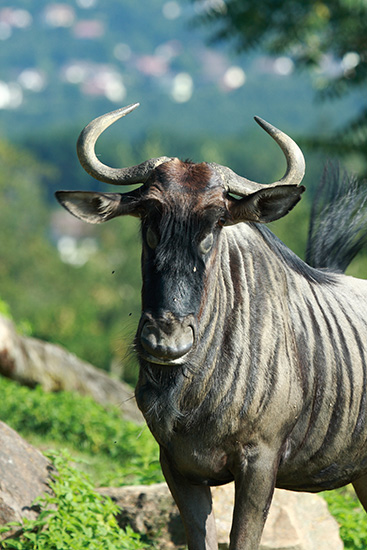
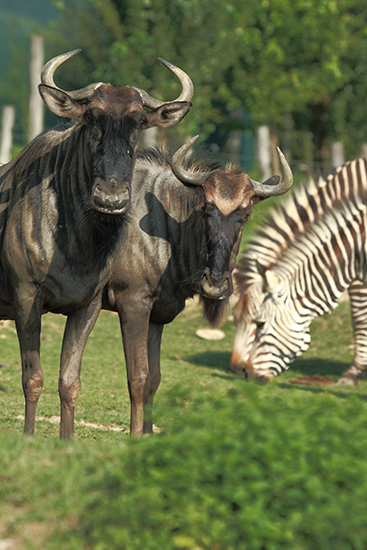
Striped wildebeest in the Tierwelt Herberstein
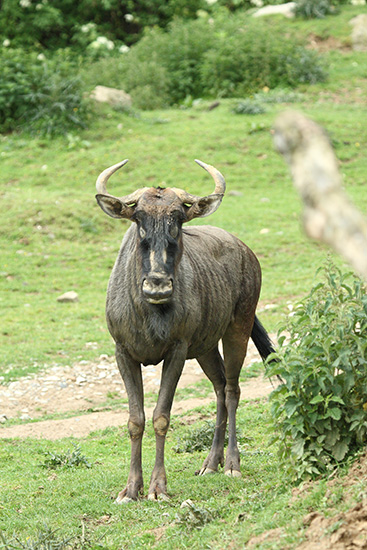
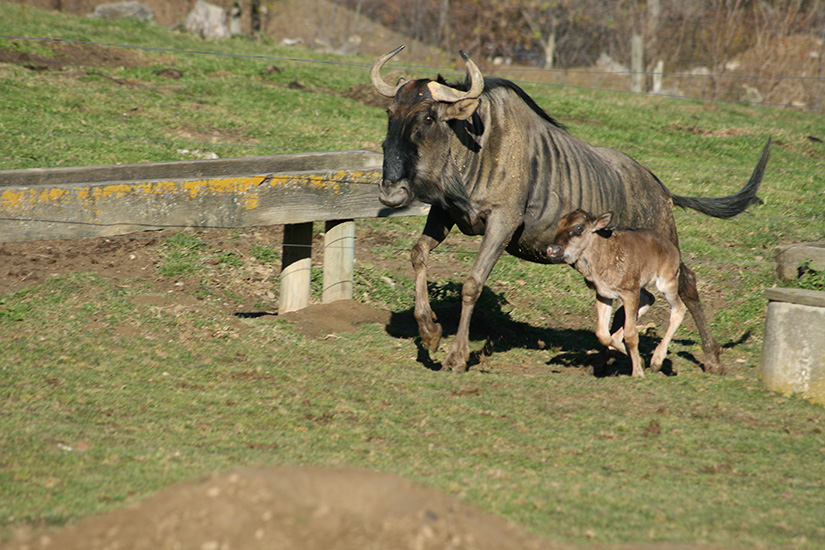
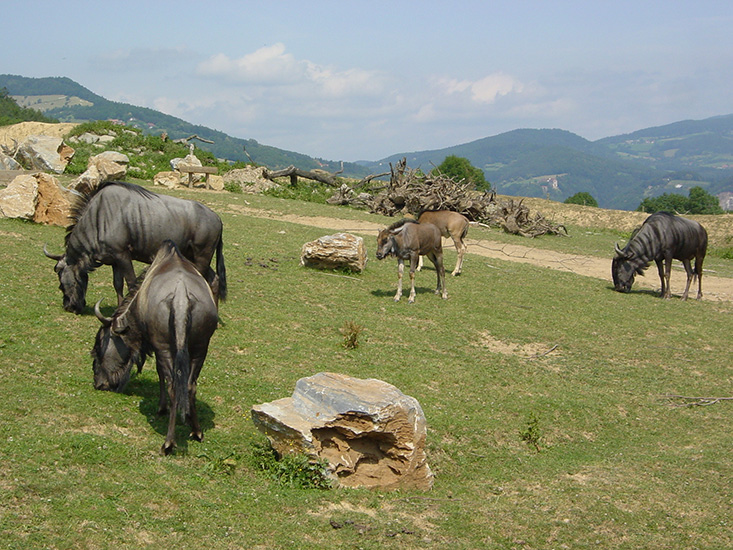
Blue Wildebeest
Connochaetes taurinus taurinus
With its curved horns, the blue wildebeest strongly resembles a cow, but is much more slender in build. In Serengeti National Park, wildebeests form seasonal herds of 10,000 animals to migrate together to more productive grazing grounds. They are guided by the scent of rain, clouds, and the rumble of thunder.
Did you know?
All horned animals that are not classified as cattle, sheep, or goats are referred to as antelopes.
| Order | Pair-hoofed animals |
| Family | Horn-bearer |
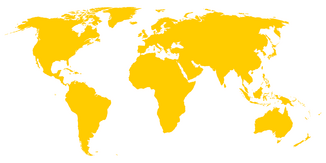
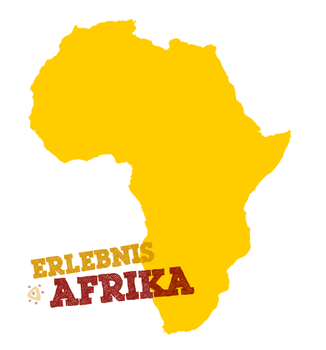
| Distribution | Southern Africa (from Angola to South Africa, extending eastward to Mozambique) |
| Habitat |   |
| Food |  |
| Activity |  |
| Weight | M 230 kg, W 160 kg |
| Size | Body length 195–210 cm, shoulder height 130–140 cm |
| Service life | 20 Years (Zoo) |
| Reproduction | After a gestation period of 8 to 8.5 months, the female gives birth to 1 to 2 young. The birthing period usually occurs shortly before the start of the rainy season. It lasts about 2 to 3 weeks and is much shorter than the mating season. The young are therefore born almost simultaneously. |
| Risk |  |
| Enemies | Hyena, wild dog, big cats, crocodile, human |
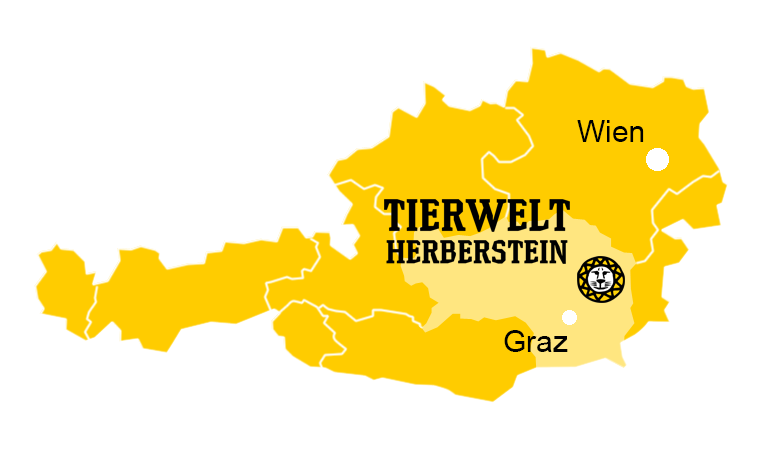
Tierwelt Herberstein
Steirischer Landestiergarten GmbH
A 8223 Stubenberg am See
Buchberg 50
Phone: +43 3176 80777
Fax: +43 3176 80777 20
Email: info (at) tierwelt-herberstein. at