





Timberwolf in the Tierwelt Herberstein
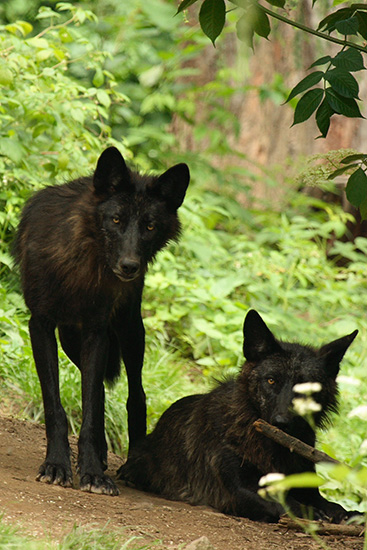
Timber Wolf
Canis lupus lycaon
Wolves, such as the timberwolf, are highly social, and living in a community offers many benefits. But life in a pack is not easy, as it requires interpreting numerous subtle cues from facial expressions and body language and strictly adhering to the hierarchy.
If you disregard the rules of behavior, those higher in rank will make it clear to you in no uncertain terms. Only the highest-ranking members form the so-called alpha pair, which has offspring together.
Puppies must actively beg for food. When the adults return from hunting, the puppies lick their mouths to encourage them to regurgitate pre-digested meat.
Did you know?
The wolf was once the most widespread mammal in the world and inhabited nearly the entire Northern Hemisphere.
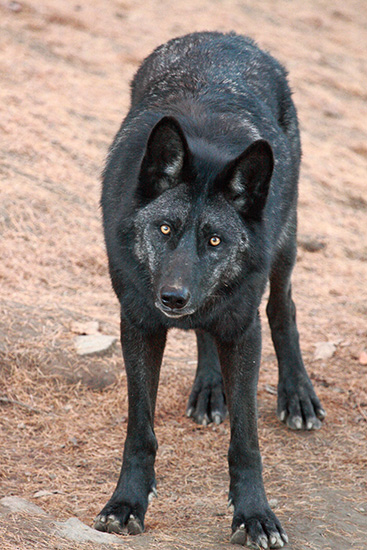
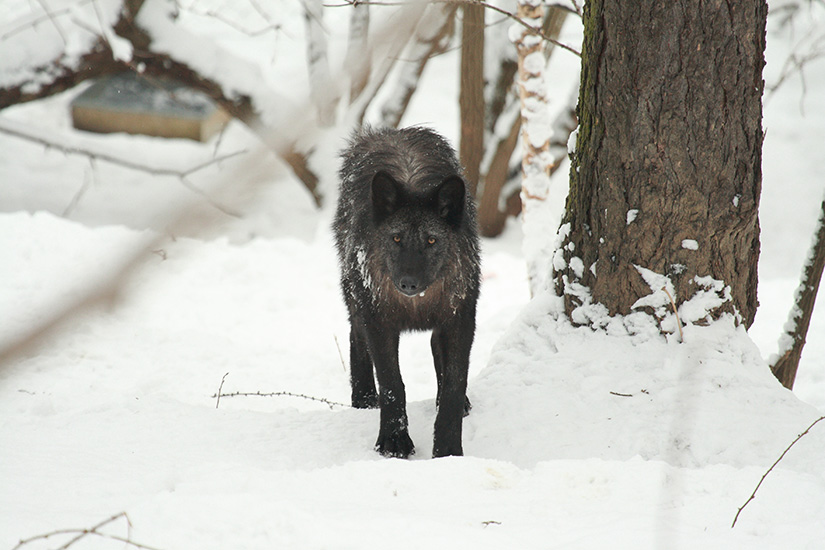
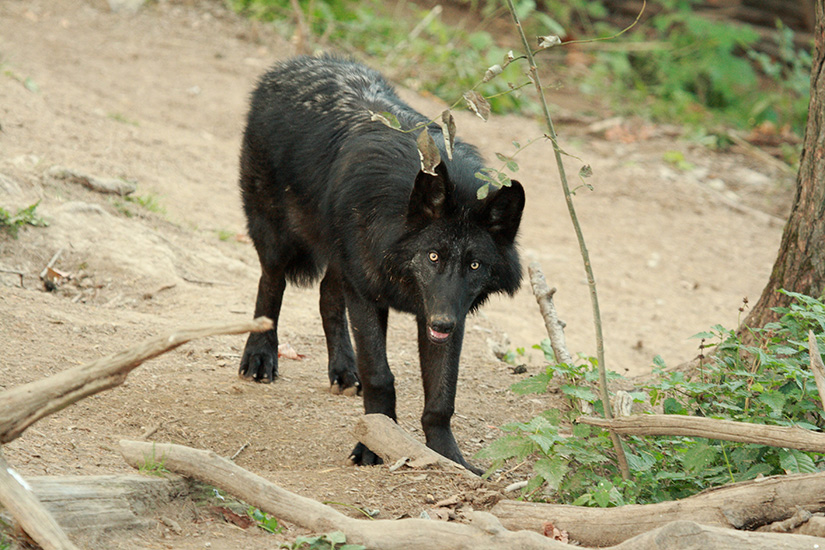
| Order | Predators |
| Family | Dogs |
| Distribution | Southeastern Canada, Eastern United States |
| Habitat |  |
| Food |  |
| Activity |   |
| Weight | 35–85 kg |
| Size | Body length 120–140 cm, shoulder height 70–90 cm |
| Service life | 10 years (zoo: 20 years) |
| Reproduction | Mating usually takes place in February. After a gestation period of 2 months, 2–8 pups are born, and the entire pack cares for them. Up to 75 percent of the pups do not survive their first year of life. |
| Risk |  |
| Enemies | Human |
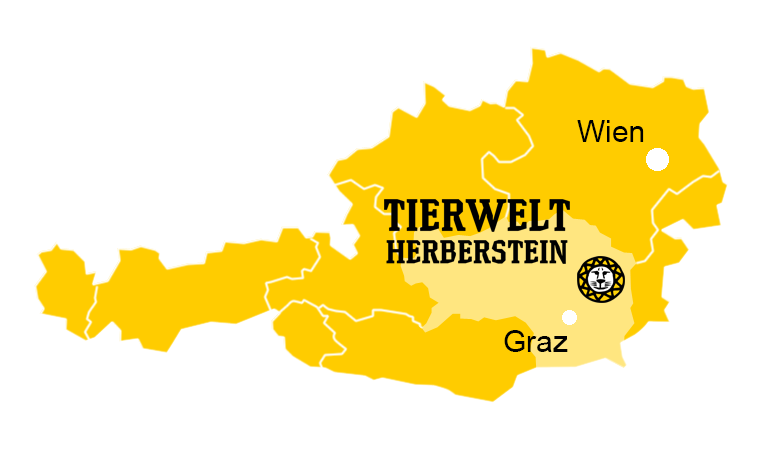
Tierwelt Herberstein
Steirischer Landestiergarten GmbH
A 8223 Stubenberg am See
Buchberg 50
Phone: +43 3176 80777
Fax: +43 3176 80777 20
Email: info (at) tierwelt-herberstein. at