
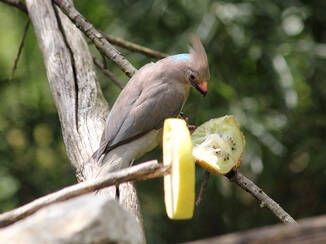




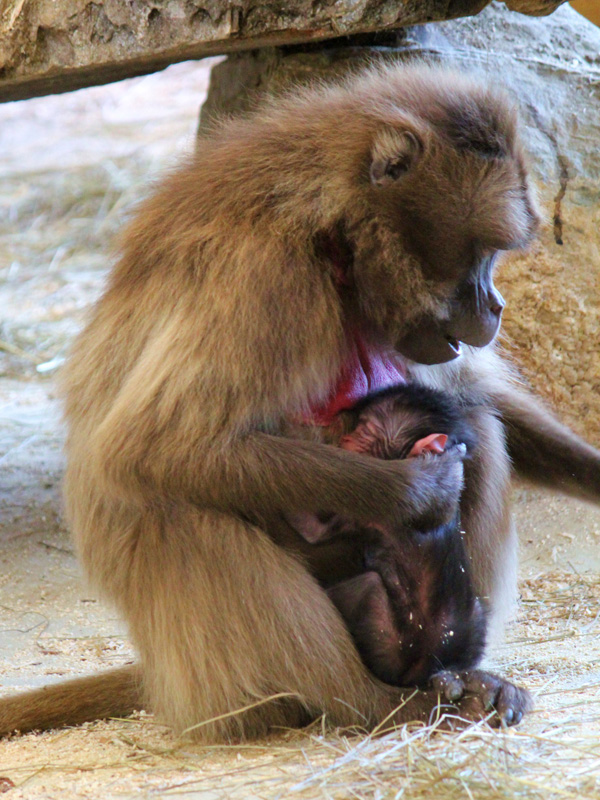
The baby baboon belongs to the group of blood-chested baboons, which live in the mountains of northern Ethiopia and feed mainly on grass. They have a hairless, hourglass-shaped red patch on their chest—hence the name “blood-chested baboons.” When the animals are ready to mate, the red color becomes even more intense. Unfortunately, because of their impressive manes, the males are still hunted in the wild and are thus being driven to the brink of extinction.
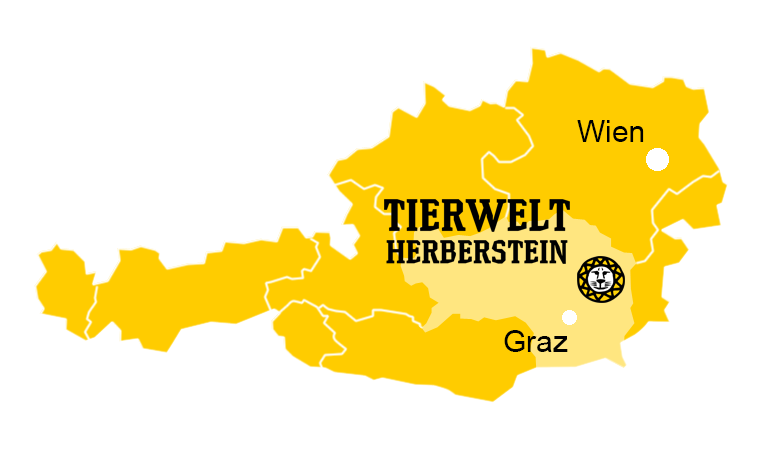
Breeding in zoos is not always as successful as it has been with the Herberstein blood-chested baboons. In 2003, the first animals arrived at the zoo in eastern Styria; a total of 16 young have already been born.
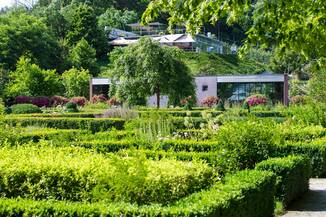
The animal kingdom isn’t just on a successful track when it comes to breeding. “By the end of September, we had already reached last year’s visitor numbers—we’re heading toward a new record!” says a delighted Doris Wolkner-Steinberger, director of the Herberstein Zoo.