






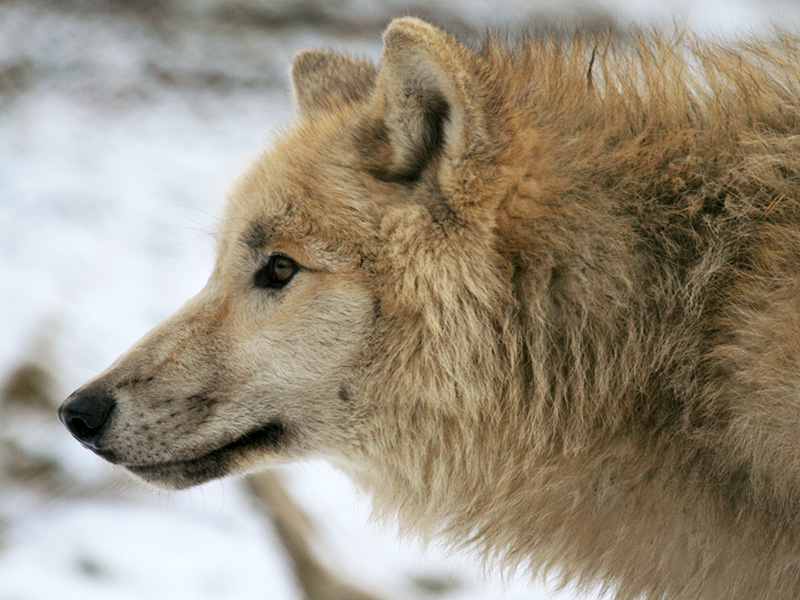
The brothers are 8 months old and were born at the Artis Zoo in Amsterdam. They have distinctive names like Sequoya, Anoki, and Nayati—a tribute to their origins.
These long-legged animals, ranging in color from light gray to almost white, live together in small packs. They are sometimes referred to as tundra wolves. In the wild, their main food source is the North American caribou; in zoos, they are fed primarily beef and chicks. “The transport and integration of the animals went according to plan, and the wolves are already exploring their territory,” says veterinarian Dr. Reinhard Pichler, who is very satisfied with how the young animals are settling in.
A howling contest now takes place during the monthly moonlight tours. The Hudson Bay wolves are—alongside the polar wolves and the timber wolves—already the third species of wolf native to the “ Tierwelt Herberstein .” Loyal visitors to Herberstein will notice that the maned wolf is missing from the list. Despite its name, the maned wolf is not actually a member of the wolf family, but rather a fox. Its Paraguayan name translates to “big fox.”
<link internal-link zur>Termine Mondscheinführung
<link internal-link zu den hudson bay>Wissenswertes zu den Hudson Bay Wölfen