



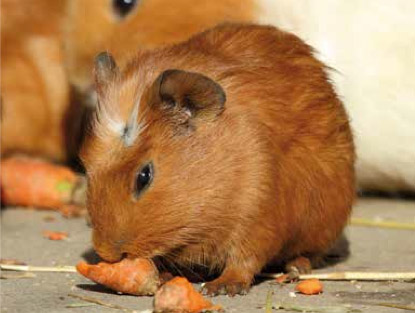
“May I introduce myself? I’m called a guinea pig, or affectionately, a ‘sea pig.’ I often enjoy my life as a playmate for small children and dart cheerfully through children’s rooms—preferably in the company of another guinea pig. But it wasn’t always like that. A long time ago, my ancestors served the ancient Inca people primarily as one thing: a source of food—plush delicacies, so to speak. They enjoyed eating us, even though there isn’t much meat on us at all! We lived in packs in the kitchen. When a meal was being prepared, they would select one or more particularly well-fed specimens, and we’d end up in the soup pot. Of course, they didn’t mean to be cruel to us; we simply served as a source of meat and only became pets many hundreds of years later. The same was true for dogs, by the way. But you won’t believe it: back then, people often had something very special in mind for us.
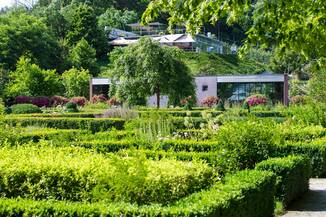
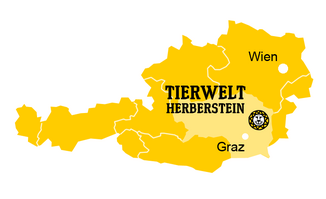
Today, as cute guinea pigs at Tierwelt Herberstein , we live a paradisiacal life in the petting zoo. The Incas didn’t just eat us; as sacred animals, we were also put to a macabre use on a very special occasion: We guinea pigs were used in Inca rituals to absorb diseases into our bodies. The Incas believed we possessed magical healing powers. According to their beliefs, we could heal people by concealing their illnesses within us. Our entrails were then examined, and only afterward would the shaman make a diagnosis. How glad we are that these days we’re used only as pets and cuddly toys for children!”