





Frog in a Water Drop
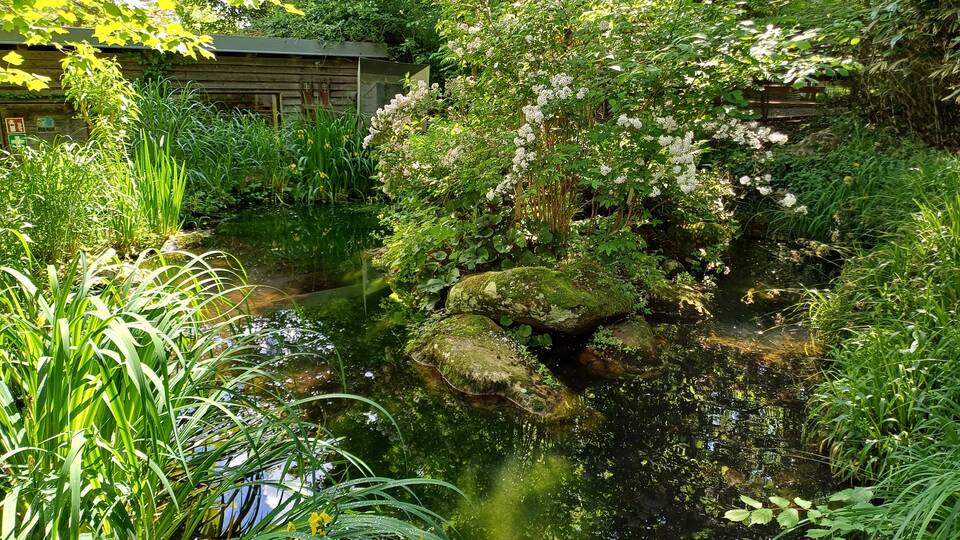
Amphibian Diversity in the Tierwelt Herberstein
Tierwelt Herberstein is home to several natural ponds and pools. It is well known that these bodies of water are inhabited by frogs, toads, fire-bellied toads, and newts—the chorus of frogs is unmistakable in the summer. The fences around the animal enclosures do not pose a major obstacle for the small amphibians as they make their way to their spawning grounds. Nor do the cheetahs, coatis, and other animals seem to faze them much.
Now we want to know exactly: By analyzing water samples, we can determine which species of amphibians are present in a body of water. It’s like “CSI: Frog”—forensic genetics on frogs… except the frogs aren’t the culprits. Rather, they are victims of land use, drainage, soil sealing, pesticides, and global warming. To make matters worse, there is an amphibian fungus that has triggered mass extinction among amphibians worldwide. This fungal disease can also be detected through DNA analysis of the water samples.
The laboratory analysis relies on what is known as environmental DNA (eDNA). This is because small amounts of eDNA—that is, animal cells shed through the mucous membranes or feces, among other ways—are present in the pond water.
We collected water samples at the Tiergarten from the ponds near the coati, Liszt's macaques, red pandas, and cheetahs, and sent them to the University of Innsbruck. Now we're eagerly awaiting the results of the lab tests. We're hoping to find plenty of frogs in the water samples.
Tierwelt Herberstein
Steirischer Landestiergarten GmbH
A 8223 Stubenberg am See
Buchberg 50
Phone: +43 3176 80777
Fax: +43 3176 80777 20
Email: info (at) tierwelt-herberstein. at