





The Young of the Palm Fruit Bats
Unexpected Growth on the African Continent
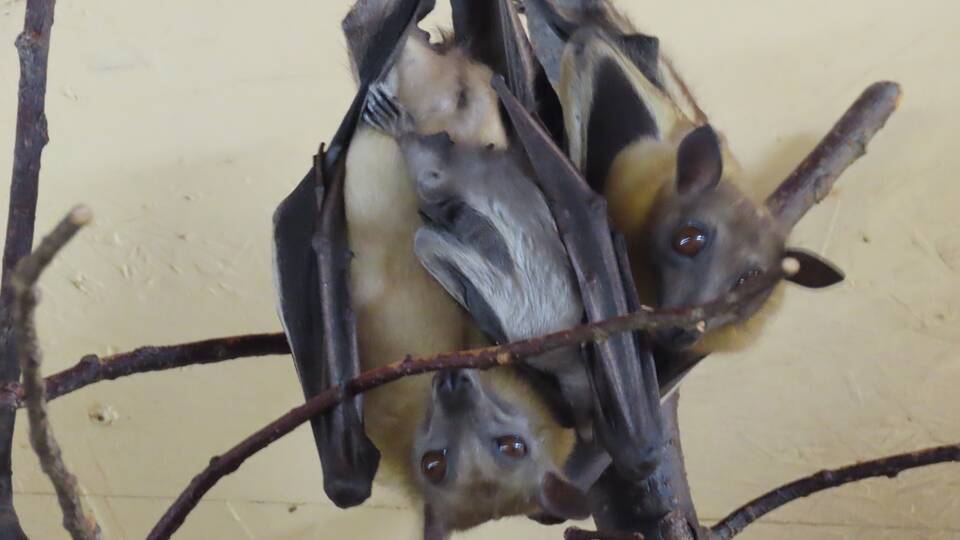
This potentially endangered species—comprising seven females and five males—has been living in the African Bird Aviary since October of last year. “The gestation period is usually three to four months. The fact that offspring were born so soon after their relocation indicates optimal husbandry conditions,” says Dr. Reinhard Pichler, the zoo’s director and veterinary specialist, explaining the breeding success.
These crepuscular and nocturnal animals live in colonies south of the Sahara. Since they hang upside down when at rest, their appearance and body structure resemble those of bats. However, they belong to the zoological order of Chiroptera and are classified in the family of flying foxes. While bats navigate using echolocation, flying foxes rely on their senses of hearing and smell. Weighing between 240 and 280 grams, their body length is approximately 19 centimeters.
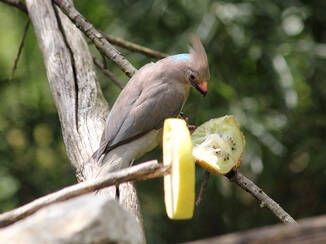
Visitors to the zoo can already admire the tiny new arrivals: the babies prefer to hang from their mother’s belly. In the communal enclosure of the African Bird Aviary, visitors can also marvel at the blue-necked mousebird, strawberry-headed weaver, golden-breasted weaver, African gray parrot, Cape pigeon, oryx weaver, silver-billed weaver, and wavy-winged finch.
Hours:
Open Thursday through Sunday and on holidays from 10:00 a.m. to 3:30 p.m. During the Styrian semester break (February 18–26, 2023), the animal park is open daily.
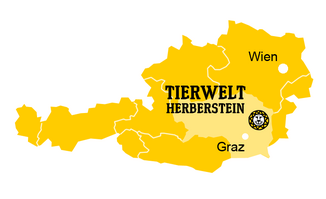
Tierwelt Herberstein
Steirischer Landestiergarten GmbH
A 8223 Stubenberg am See
Buchberg 50
Phone: +43 3176 80777
Fax: +43 3176 80777 20
Email: info (at) tierwelt-herberstein. at