






Young Glutton in Herberstein
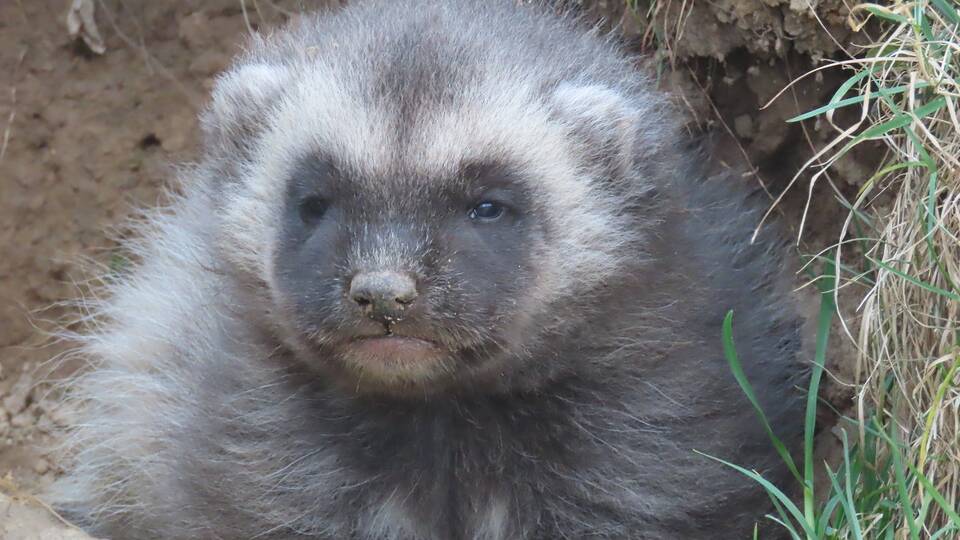
Sensational breeding success at the Tierwelt Herberstein: Four wolverine cubs have been born.
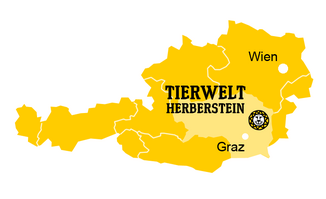
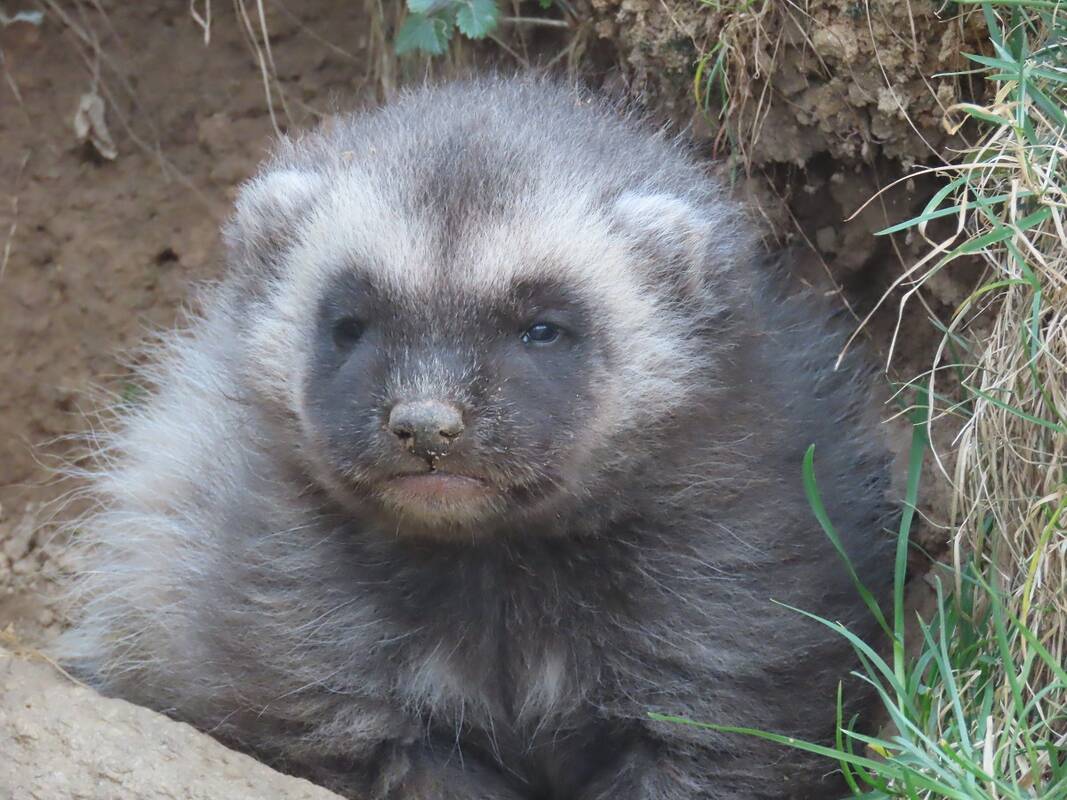
Since 2016, wolverines have been among the 86 animal species at the zoo in eastern Styria. Now, the social pair from Sweden, Malcolm and Sunna, have become parents again. This time, they welcomed four cubs: three females and one male.
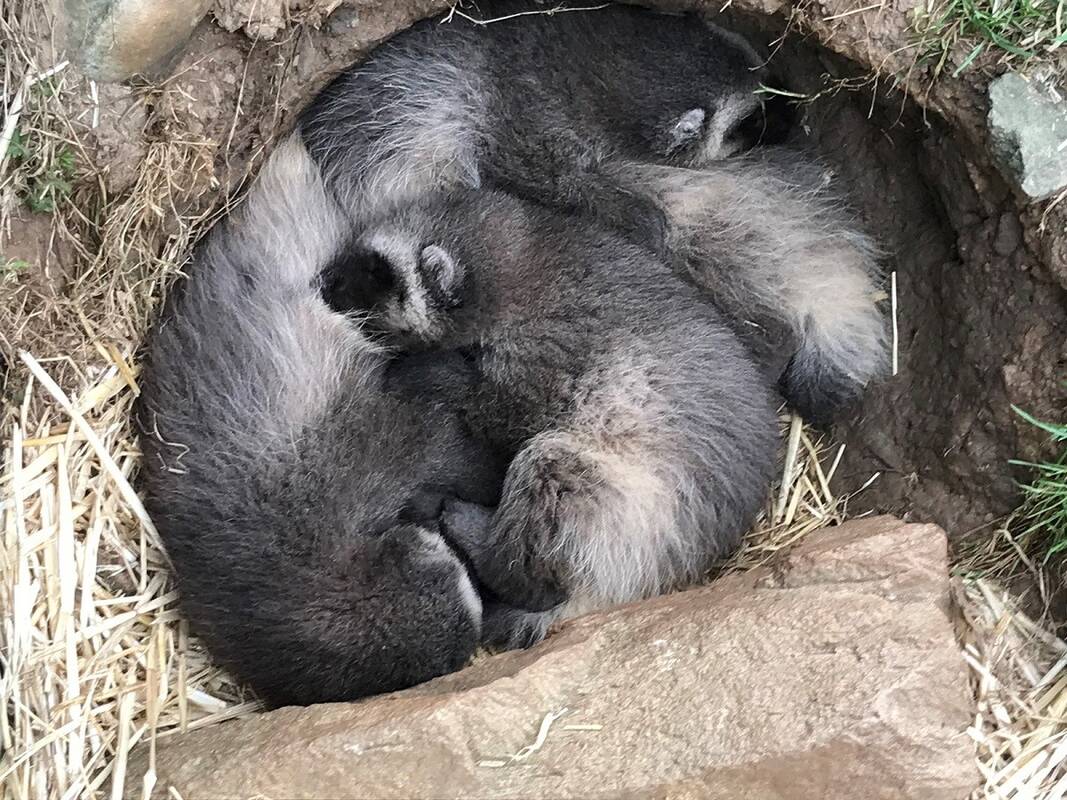
Freya, Ilvy, Lyra, and Floki were born on February 10, 2022, and spent their first few weeks secluded in the whelping box. Now they sleep together in a wooden box or a burrow and are carried individually around the enclosure by their mother, Sunna. With a little luck, visitors may already be able to catch a glimpse of the cubs.
“A female wolverine can give birth to a maximum of four cubs per litter. This ensures a reliable food supply and allows the mother to nurse her young with her milk. Quadruplets are extremely rare, which makes this breeding success all the more valuable,” explains the Director of Zoology, FTA Dr. Reinhard Pichler, adding: “Wolverines are included in the European Endangered Species Program (EEP).”
Wolverines live in Scandinavia, northern Russia, and northern North America. They are predators, belong to the weasel family, and are native to coniferous forests. These nocturnal animals prefer cold temperatures.
The name "Vielfraß" for the largest of all martens likely originated from a translation error: the Old Norse word "fjellfräs" became the German "Vielfraß," even though it actually means "mountain cat."
Hours: Daily from 10 a.m. to 4 p.m.; visitors may remain in the park until 5 p.m.
Tierwelt Herberstein
Steirischer Landestiergarten GmbH
A 8223 Stubenberg am See
Buchberg 50
Phone: +43 3176 80777
Fax: +43 3176 80777 20
Email: info (at) tierwelt-herberstein. at