



PANDA-stic New Talent in the Tierwelt Herberstein
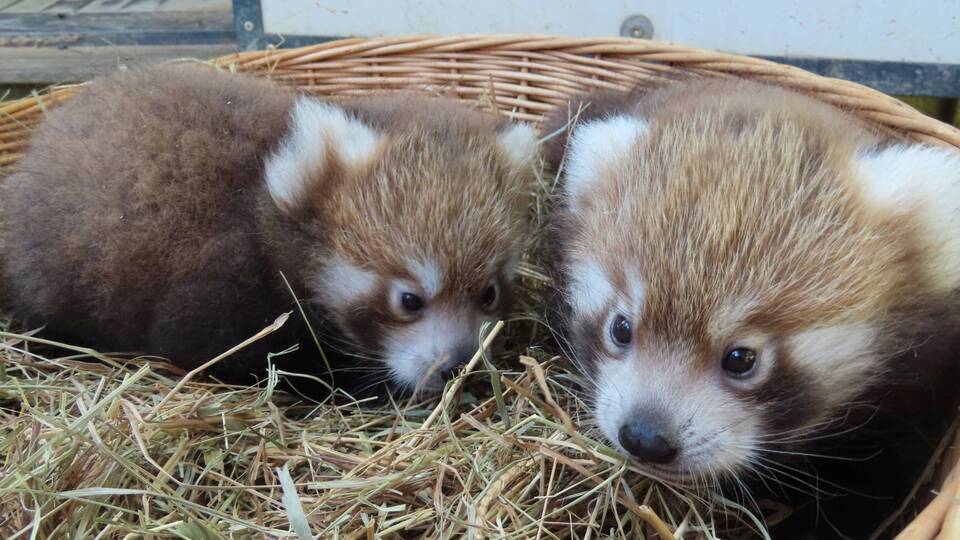
On June 17, 2025, two puppies—one male and one female—were born. They opened their eyes for the first time after three weeks, and after eight weeks, the first health check was conducted by the zoological director, veterinary specialist Dr. Reinhard Pichler. They received their initial vaccinations, were dewormed, and their sexes were determined; the pups were also microchipped. Both animals are in very good nutritional and general health.
Father Kaldon has lived in Herberstein since 2013; last year, he was paired with Mother Kalina. The pair was frequently observed engaging in courtship behavior and mating during the spring.
Red pandas are listed on the Red List and are considered critically endangered by the International Union for Conservation of Nature (IUCN). The red panda (Ailurus fulgens), also known as the “lesser panda,” is native to the mountain forests of the Himalayas and is severely threatened in the wild by habitat loss and poaching. Increasing tourism in these regions is also contributing to their continued endangerment.
There are approximately 10,000 of these animals living in the wild, though only 2,500 are of breeding age. There are 420 red pandas in European zoos. The European Association of Zoos and Aquaria ( Tierwelt Herberstein ) actively participates in international conservation breeding programs (EEP); as a result, the “red panda” population in European zoos is managed by a breeding coordinator based in the Netherlands.
The puppies are currently being kept out of the public eye in a protected area. It will still be a few weeks before Herberstein’s newest arrivals can be seen on a regular basis. However, with a little luck, visitors may be able to watch as the mother carries the puppies to another nesting box.
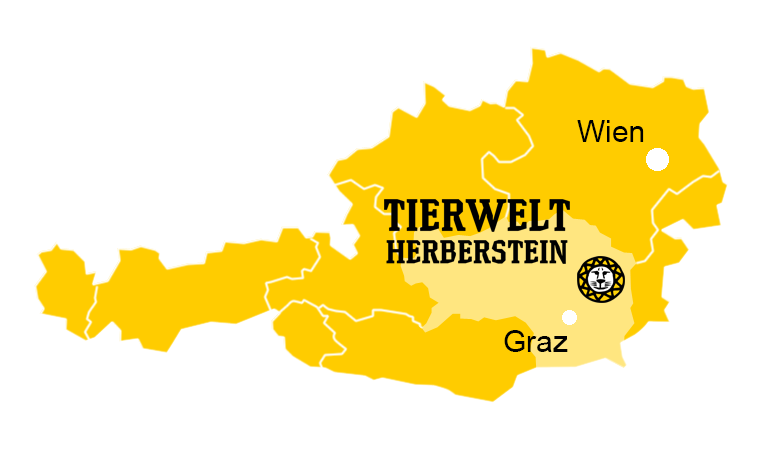
Tierwelt Herberstein
Steirischer Landestiergarten GmbH
A 8223 Stubenberg am See
Buchberg 50
Phone: +43 3176 80777
Fax: +43 3176 80777 20
Email: info (at) tierwelt-herberstein. at